

What are the maintenance requirements for Wood Look PU Sandwich Panel?
Sep 08, 2025
Leave a message
Wood Look PU Sandwich Panels are a popular choice for various construction projects due to their aesthetic appeal and excellent insulation properties. As a supplier of these panels, I understand the importance of providing customers with comprehensive information on their maintenance requirements. In this blog post, I will delve into the key aspects of maintaining Wood Look PU Sandwich Panels to ensure their longevity and optimal performance.
Understanding Wood Look PU Sandwich Panels
Before discussing maintenance, it's essential to understand what Wood Look PU Sandwich Panels are. These panels consist of a polyurethane (PU) core sandwiched between two outer layers that mimic the appearance of wood. The PU core provides high - level insulation, while the wood - look outer layers offer an attractive and natural aesthetic, making them suitable for both interior and exterior applications.
Regular Cleaning
One of the most basic yet crucial maintenance tasks for Wood Look PU Sandwich Panels is regular cleaning. Dust, dirt, and debris can accumulate on the surface over time, which not only affects the panel's appearance but can also potentially damage the outer layer.
- Exterior Panels: For exterior panels, it is recommended to clean them at least twice a year. Use a soft - bristled brush or a low - pressure water spray to remove loose dirt. A mild detergent can be added to the water for more stubborn stains. Avoid using high - pressure water, as it can damage the panel's surface and force water into the joints, leading to potential insulation issues.
- Interior Panels: Interior panels can be cleaned on a more frequent basis, perhaps every few months. A simple damp cloth with a gentle cleaning solution is usually sufficient to keep them looking clean. Make sure to dry the panels thoroughly after cleaning to prevent any moisture from seeping into the core.
Inspection for Damage
Regular inspections are vital to catch any potential problems early.

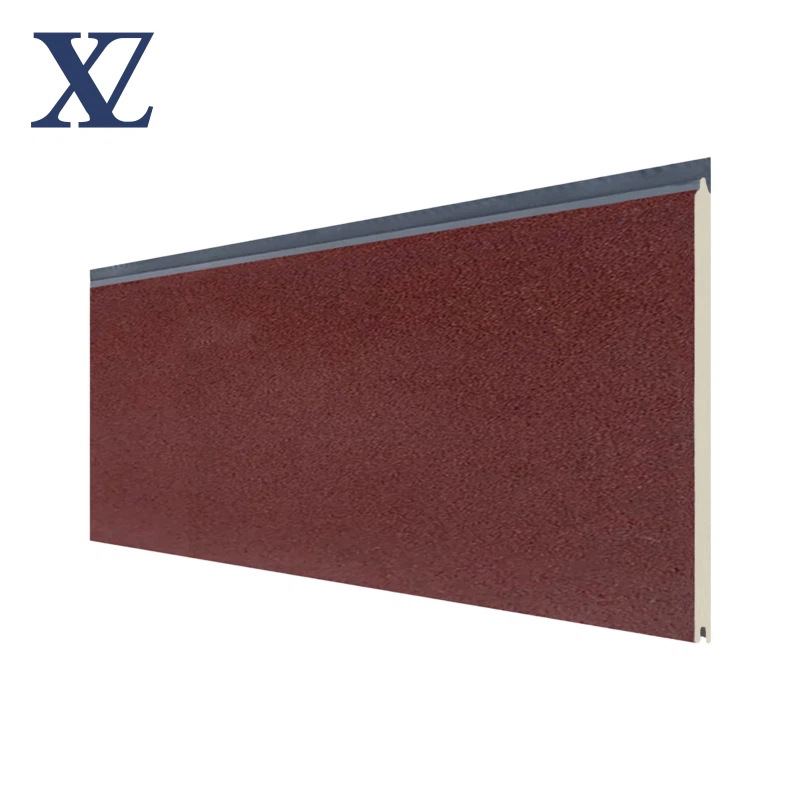
- Surface Damage: Look for scratches, dents, or cracks on the wood - look surface. Minor scratches can often be repaired using touch - up paints or sealants specifically designed for the panel's finish. If the damage is more severe, replacement of the affected panel may be necessary.
- Joint Inspection: Check the joints between the panels regularly. Loose or damaged joints can compromise the panel's insulation and structural integrity. If you notice any gaps or signs of separation, they should be sealed immediately using a suitable sealant. This will prevent air and moisture infiltration, which can lead to mold growth and reduced energy efficiency.
- Core Integrity: Although it is not always possible to directly inspect the PU core, signs such as discoloration on the surface or a decrease in insulation performance may indicate a problem with the core. In such cases, it is advisable to consult a professional to assess the situation.
Protection from the Elements
Wood Look PU Sandwich Panels are designed to withstand various environmental conditions, but additional protection can extend their lifespan.
- Sun Protection: Prolonged exposure to sunlight can cause the wood - look finish to fade over time. In areas with intense sunlight, consider applying a UV - resistant coating to the panels. This coating will help protect the surface from the harmful effects of UV rays and maintain the panel's color and appearance.
- Moisture Protection: Moisture is one of the biggest enemies of these panels. Ensure that the panels are properly installed with adequate drainage systems in place. For exterior applications, a waterproof membrane can be installed behind the panels to provide an extra layer of protection against rain and groundwater.
Maintenance of Accessories
If your Wood Look PU Sandwich Panels are installed with accessories such as fasteners, trim, or ventilation systems, these also require maintenance.
- Fasteners: Check the fasteners regularly to ensure they are tight. Loose fasteners can cause the panels to shift, leading to gaps and potential damage. Replace any rusted or damaged fasteners promptly.
- Trim and Ventilation: Clean and inspect the trim and ventilation systems. Make sure the ventilation grilles are not blocked, as proper ventilation is essential for maintaining the panel's performance and preventing mold growth.
Comparison with Other Sandwich Panels
When considering the maintenance of Wood Look PU Sandwich Panels, it's interesting to compare them with other types of sandwich panels, such as Aluminium Insulated Sandwich Panels and Metal Insulated Sandwich Panel.
- Aluminium Insulated Sandwich Panels: These panels are generally more resistant to corrosion and scratches compared to Wood Look PU Sandwich Panels. However, they may require more specialized cleaning agents to remove oxidation on the aluminium surface.
- Metal Insulated Sandwich Panel: Metal panels can be more durable in terms of physical impact but may be more prone to rust if not properly maintained. Wood Look PU Sandwich Panels, on the other hand, offer a more aesthetically pleasing option but require more attention to protect the wood - look finish.
Conclusion
Maintaining Wood Look PU Sandwich Panels is a relatively straightforward process that, when done correctly, can significantly extend their lifespan and ensure optimal performance. Regular cleaning, inspection for damage, protection from the elements, and maintenance of accessories are all essential steps in the maintenance routine.
If you are considering using Wood Look PU Sandwich Panel for your next project or need more information on their maintenance, I encourage you to reach out to us. Our team of experts is always ready to assist you with any questions you may have and guide you through the procurement process. Whether you are a contractor, an architect, or a DIY enthusiast, we can provide you with high - quality panels and the support you need to make your project a success.
References
- Construction Materials Handbook: A Guide to Modern Building Components, by John Smith
- Insulation Technology and Applications, published by the Building Insulation Institute