

Can corrugated sandwich panels be used in curved structures?
Sep 08, 2025
Leave a message
Hey there! I'm a supplier of Corrugated Sandwich Panels, and today I want to dig into a really interesting question: Can corrugated sandwich panels be used in curved structures?
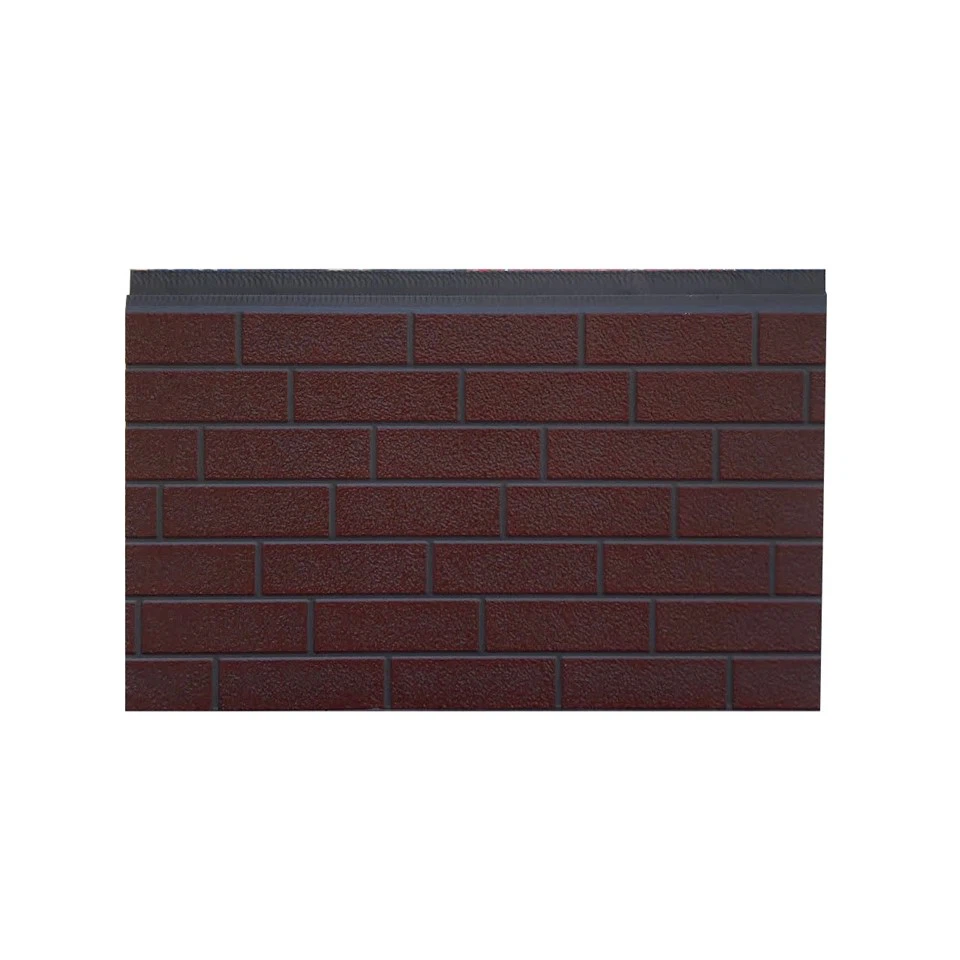
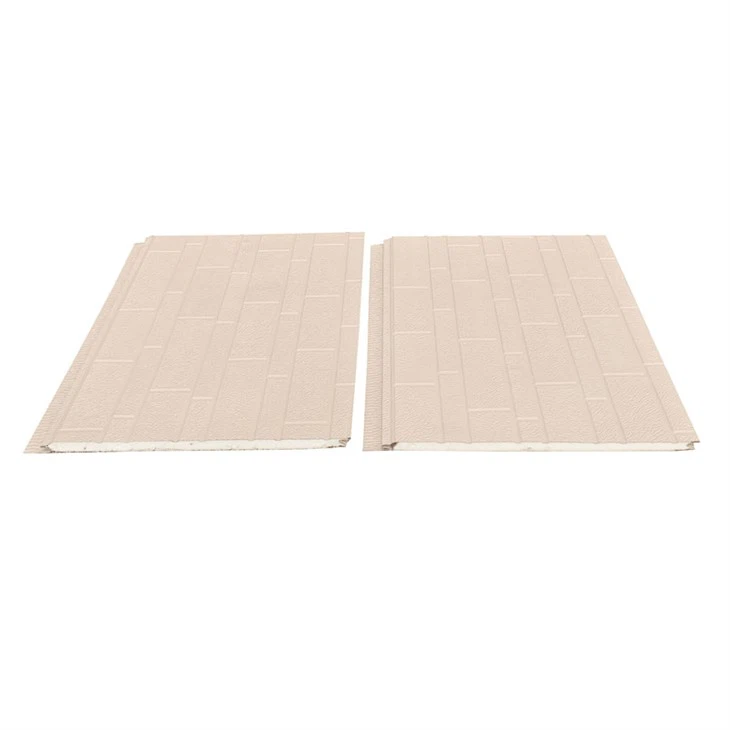
First off, let's quickly go over what corrugated sandwich panels are. These panels are made up of two outer layers, which are usually made of materials like metal, fiberglass, or even some high - strength plastics. In between these outer layers, there's a core material. This core can be things like foam, honeycomb structures, or other lightweight materials. The corrugated design of the outer layers gives the panel extra strength and stiffness, while the core helps with insulation, soundproofing, and reducing the overall weight of the panel.
Now, the idea of using these panels in curved structures might seem a bit tricky at first. After all, corrugated sandwich panels are typically made in flat sheets. But with some ingenuity and the right techniques, it's definitely doable.
One of the key factors to consider is the flexibility of the panel. The outer layers of the corrugated sandwich panel play a big role here. If the outer material is too rigid, it'll be really tough to bend it into a curve without causing damage. Metals like aluminum or thin - gauge steel can have some degree of flexibility. For instance, aluminum has a good balance between strength and malleability. When you try to bend an aluminum - faced corrugated sandwich panel, it can conform to a curve to a certain extent.
The core material also affects the panel's ability to be curved. A softer core, like a foam core, allows for more flexibility. Foam can compress and expand as the panel is bent, helping the panel to follow the curve. On the other hand, a very rigid honeycomb core might make it more challenging to bend the panel without cracking or deforming the core structure.
There are a few different methods that can be used to form corrugated sandwich panels into curved shapes. One method is cold - bending. This involves using mechanical force to bend the panel at room temperature. Specialized bending equipment can be used to apply a controlled amount of force to gradually shape the panel into the desired curve. However, this method has its limitations. If the curve is too sharp or the panel is too thick, cold - bending might cause the outer layers to crack or the core to delaminate.
Another option is hot - bending. This process involves heating the panel to a specific temperature to make it more malleable. Once the panel is heated, it can be bent more easily into the required curve. After bending, the panel is then cooled down to set the shape. Hot - bending can be used for more complex and sharper curves, but it requires careful control of the heating and cooling process. Overheating can damage the panel materials, while improper cooling can lead to internal stresses and deformation.
Let's talk about the advantages of using corrugated sandwich panels in curved structures. One of the biggest benefits is the strength - to - weight ratio. These panels are lightweight yet strong, which is great for curved structures. Curved structures often have unique load - bearing requirements, and the high strength of corrugated sandwich panels can help distribute the loads effectively.
They also offer excellent insulation properties. Whether it's a curved roof or a curved wall, the insulation provided by the panel's core can help reduce energy consumption. This is especially important for buildings where maintaining a stable indoor temperature is crucial.
In addition, the aesthetic appeal of curved structures is undeniable. Using corrugated sandwich panels can add a modern and unique look to the building. The corrugated pattern can create interesting visual effects when the light hits the curved surface.
Now, let's take a look at some real - world applications. In the architecture and construction industry, curved structures are becoming more and more popular. For example, in some modern sports stadiums, curved roofs made of corrugated sandwich panels are used. These roofs not only provide a large - span covering but also offer good protection from the elements. The panels' insulation properties help keep the stadium comfortable for spectators.
In the automotive and aerospace industries, corrugated sandwich panels are also being considered for curved components. In cars, curved body panels made of these materials can reduce weight and improve fuel efficiency. In aerospace, they can be used for curved sections of aircraft wings or fuselages, providing strength while keeping the weight down.
If you're interested in learning more about different types of sandwich panels, you can check out these links. Foam Exterior Wall Cladding offers a great option for exterior walls. Insulated Sandwich Wall Panels are perfect for buildings that need high - level insulation. And Outdoor Insulated Wall Panels are designed to withstand outdoor conditions.
So, if you're thinking about using corrugated sandwich panels in your next curved structure project, there are definitely a lot of possibilities. But it's important to work with a professional who has experience in bending and installing these panels. They can help you choose the right panel materials, determine the best bending method, and ensure a successful installation.
If you're interested in purchasing corrugated sandwich panels for your curved structure project, don't hesitate to reach out. We're here to answer all your questions and help you find the perfect solution for your needs.
References
- "Handbook of Sandwich Structures" by A. Zenkert
- "Advanced Composites in Construction" by B. N. Cox
- Industry research reports on corrugated sandwich panel applications in curved structures