

Can fireproof insulation panels be used in electrical rooms?
Oct 15, 2025
Leave a message
Hey there! As a supplier of Fireproof Insulation Panels, I often get asked if these panels can be used in electrical rooms. It's a super important question, and today, I'm gonna break it down for you.
First off, let's talk about what electrical rooms are all about. Electrical rooms are spaces where a whole bunch of electrical equipment is stored. Think transformers, switchgear, and distribution panels. These rooms are crucial for the proper functioning of buildings, whether it's a commercial skyscraper or a residential complex. But they also come with risks. Electrical equipment can generate a lot of heat, and in the worst - case scenario, there could be a fire. That's where fireproof insulation panels come in.
So, can fireproof insulation panels be used in electrical rooms? The short answer is yes, and there are some solid reasons for that.
Benefits of Using Fireproof Insulation Panels in Electrical Rooms
1. Fire Protection
The most obvious benefit is fire protection. Fireproof insulation panels are designed to resist the spread of fire. In an electrical room, if there's an electrical fault that leads to a fire, these panels can contain the fire within a limited area. They have a high fire - rating, which means they can withstand high temperatures for an extended period. This gives firefighters more time to arrive on the scene and extinguish the fire, reducing the potential damage to the electrical equipment and the building as a whole.
2. Thermal Insulation
Electrical equipment generates heat during normal operation. Fireproof insulation panels also provide excellent thermal insulation. They can help maintain a stable temperature inside the electrical room. By keeping the heat from escaping or entering the room, the panels prevent overheating of the electrical equipment. Overheating can cause premature failure of the equipment, which can be costly to repair or replace. With proper thermal insulation, the lifespan of the electrical equipment can be extended.
3. Sound Insulation
Electrical equipment can be noisy. The humming and buzzing sounds can be a nuisance, especially if the electrical room is located close to areas where people work or live. Fireproof insulation panels can also act as sound barriers. They absorb and dampen the sound waves, reducing the noise level outside the electrical room. This creates a more comfortable environment for everyone in the building.

4. Moisture Resistance
Moisture can be a big problem in electrical rooms. It can cause corrosion of the electrical equipment and lead to short - circuits. Fireproof insulation panels are often moisture - resistant. They prevent the ingress of moisture, protecting the electrical equipment from water damage. This is particularly important in areas with high humidity or where there's a risk of water leaks.
Considerations When Using Fireproof Insulation Panels in Electrical Rooms
1. Compatibility with Electrical Equipment
It's essential to ensure that the fireproof insulation panels are compatible with the electrical equipment in the room. Some insulation materials may release gases or chemicals when exposed to high temperatures, which could be harmful to the electrical equipment. Before installing the panels, it's a good idea to consult with the equipment manufacturers to make sure there are no compatibility issues.
2. Installation Requirements
Proper installation is crucial. The panels need to be installed correctly to ensure their effectiveness. Any gaps or improper sealing can reduce the fire - protection and insulation properties of the panels. It's recommended to hire a professional installer who has experience working with fireproof insulation panels in electrical rooms.
3. Maintenance
Regular maintenance is necessary to keep the fireproof insulation panels in good condition. Inspect the panels periodically for any signs of damage, such as cracks or delamination. If any damage is found, it should be repaired immediately to maintain the integrity of the panels.
Types of Fireproof Insulation Panels Suitable for Electrical Rooms
There are several types of fireproof insulation panels that can be used in electrical rooms.
1. Mineral Wool Panels
Mineral wool panels are made from natural or synthetic minerals. They are non - combustible and have excellent fire - resistance properties. They also provide good thermal and sound insulation. Mineral wool panels are widely used in electrical rooms because of their reliability and performance.
2. Ceramic Fiber Panels
Ceramic fiber panels are another option. They are made from ceramic fibers and can withstand extremely high temperatures. They are lightweight and have good insulation properties. However, they need to be handled carefully during installation because the fibers can be irritating to the skin and lungs.
3. Gypsum Panels
Gypsum panels are a cost - effective option. They are made from gypsum plaster and have a good fire - rating. They are easy to install and can be used in combination with other insulation materials for enhanced performance.
Related Products
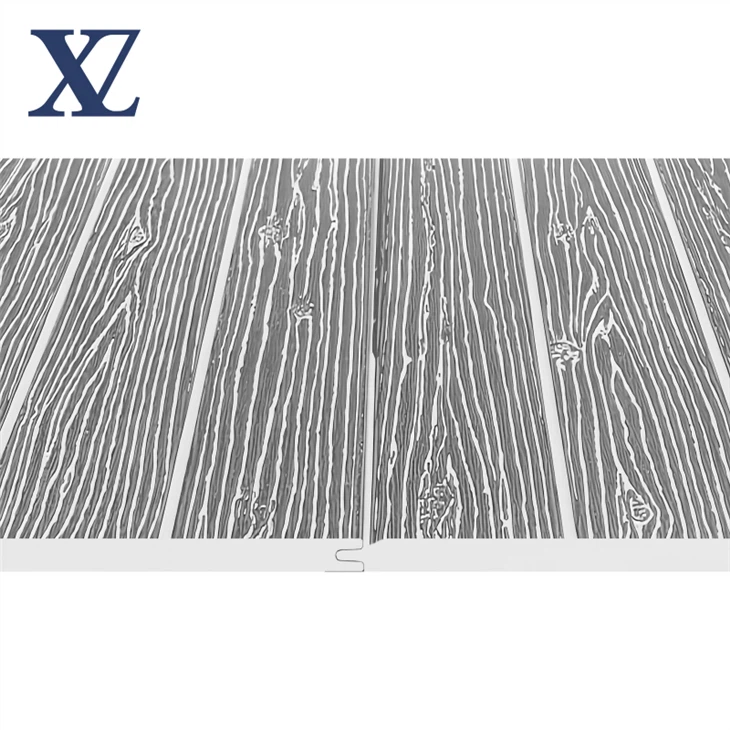
If you're interested in other types of insulation panels, we also offer Wood Grain Metal Siding for House, Thermal Wall Panels, and Exterior Insulation Wall Panels. These products have their own unique features and benefits and can be used in different applications.
Conclusion
In conclusion, fireproof insulation panels can definitely be used in electrical rooms. They offer a range of benefits, including fire protection, thermal insulation, sound insulation, and moisture resistance. However, it's important to consider the compatibility with electrical equipment, proper installation, and regular maintenance. If you're looking for high - quality fireproof insulation panels for your electrical room or other insulation needs, don't hesitate to get in touch. We're here to help you make the right choice and ensure the safety and efficiency of your building.
References
- "Electrical Room Design and Safety Standards", Electrical Engineering Handbook
- "Fireproof Insulation Materials: Properties and Applications", Journal of Building Materials Research