

What materials are used to make an eps sandwich panel?
Sep 08, 2025
Leave a message
Hey there! As a supplier of EPS sandwich panels, I often get asked about what materials are used to make these panels. So, I thought I'd write this blog to break it all down for you.
The Core: Expanded Polystyrene (EPS)
Let's start with the heart of the EPS sandwich panel - the expanded polystyrene core. EPS is a lightweight, rigid, and closed - cell foam material. It's made from solid beads of polystyrene, which are then expanded using steam. During this process, the beads puff up, creating a network of tiny air pockets within the material.
The reason we use EPS as the core is its excellent insulation properties. It has a low thermal conductivity, which means it can effectively reduce heat transfer through the panel. This is super important in buildings, whether it's a cold storage facility that needs to keep the temperature low or a warm - climate building that wants to keep the heat out.
Another great thing about EPS is its strength - to - weight ratio. Despite being lightweight, it can support a fair amount of load. This makes it suitable for various applications, from wall panels to roofing. And it's also relatively easy to cut and shape, which is a plus during the manufacturing process.
The Face Sheets
Now, let's talk about the face sheets that cover the EPS core. There are several materials that can be used for face sheets, and each has its own advantages.
Steel Face Sheets
Steel is a very popular choice for face sheets. Galvanized steel, in particular, is widely used. Galvanization is a process where a layer of zinc is applied to the steel to protect it from corrosion. This makes the panels durable and long - lasting, even in harsh environments.
Steel face sheets provide good structural strength to the EPS sandwich panel. They can withstand impacts, which is important in industrial and commercial buildings where there might be some rough handling or where the panels could be exposed to potential damage.
Moreover, steel face sheets can be painted or coated with different finishes. This not only enhances the aesthetic appeal of the panels but also provides an additional layer of protection against the elements. You can find EPS sandwich panels with steel face sheets in a variety of colors, so you can choose one that suits your building's design.
Aluminum Face Sheets
Aluminum is another option for face sheets. It's lightweight, which is great if you're looking to reduce the overall weight of the building structure. Aluminum also has excellent corrosion resistance, even without the need for a heavy - duty coating like galvanized steel.
One of the benefits of aluminum face sheets is their ability to be easily formed into different shapes. This gives designers more flexibility when it comes to creating unique building facades. Aluminum also has good thermal conductivity compared to some other metals, which can be an advantage in certain applications where heat dissipation is important.
Fiber Cement Face Sheets
Fiber cement is a composite material made from cement, cellulose fibers, and other additives. It offers a good balance between strength and durability. Fiber cement face sheets are fire - resistant, which is a major plus for building safety.
They also have good weather resistance and can withstand the effects of UV radiation, moisture, and temperature changes. Fiber cement face sheets can be textured to mimic the look of natural materials like wood or stone. This makes them a popular choice for buildings where an aesthetically pleasing finish is desired.
Other Materials and Additives
In addition to the core and face sheets, there are also some other materials and additives used in the manufacturing of EPS sandwich panels.
Adhesives
Adhesives are used to bond the face sheets to the EPS core. A high - quality adhesive is crucial to ensure a strong and long - lasting bond. The adhesive needs to be able to withstand temperature changes, moisture, and other environmental factors without losing its adhesion properties. Different types of adhesives are available, such as polyurethane - based adhesives, which provide excellent bonding strength.
Flame Retardants
Flame retardants are often added to the EPS core to improve its fire - resistance. These additives work by reducing the flammability of the EPS material. In many building codes, fire - resistant EPS sandwich panels are required, especially in high - rise buildings, hospitals, and other public facilities. Flame retardants can help the panels meet these safety standards.
Applications of EPS Sandwich Panels
EPS sandwich panels have a wide range of applications. They are commonly used in industrial buildings, such as factories and warehouses. The insulation properties of the EPS core help to reduce energy costs by keeping the interior temperature stable. The strength of the face sheets can support overhead cranes and other heavy equipment.
In commercial buildings, like shopping malls and offices, EPS sandwich panels can be used for both interior and exterior applications. They can create a modern and sleek look for the building facade while providing energy - efficient insulation.
Residential buildings can also benefit from EPS sandwich panels. They can be used for walls and roofs, helping to keep the home warm in winter and cool in summer. And with the variety of face sheet materials and colors available, they can be customized to fit the architectural style of the house.
Why Choose Our EPS Sandwich Panels?
As a supplier of EPS sandwich panels, we take pride in offering high - quality products. We source the best materials for both the core and face sheets. Our EPS core is made with strict quality control to ensure excellent insulation and strength.
When it comes to face sheets, we offer a range of options, including steel, aluminum, and fiber cement. We can also customize the panels according to your specific requirements, whether it's the size, color, or thickness.
We have a team of experts who can assist you in choosing the right EPS sandwich panel for your project. And we provide prompt delivery and after - sales service to make sure you have a smooth experience.
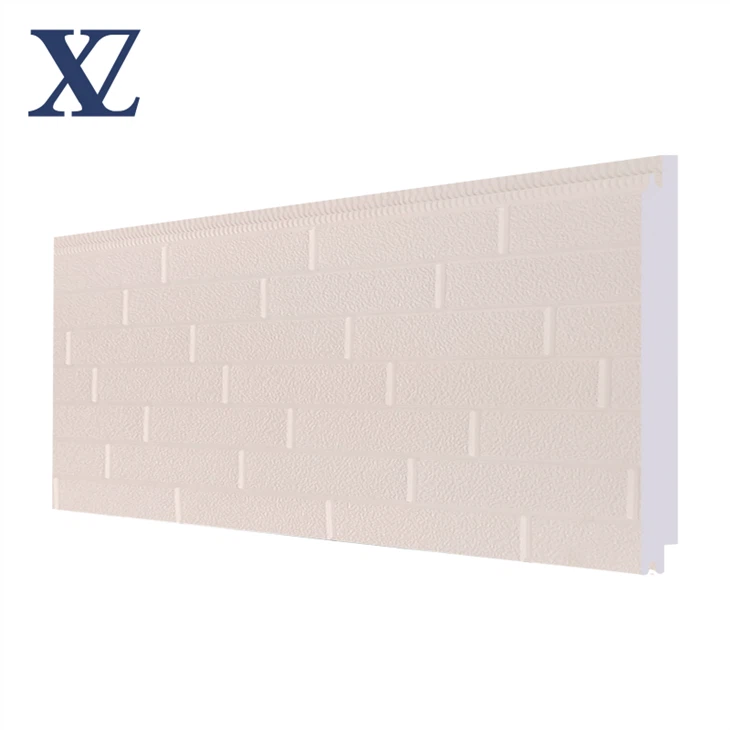

If you're interested in our EPS sandwich panels, you can check out our products on our website. We have different types of panels available, such as the 70mm EPS Sandwich Panel, EPS Composite Panels, and EPS Foam Sandwich Panel.
If you're thinking about a new construction project or a renovation, don't hesitate to contact us for a quote and to discuss your requirements. We're here to help you find the perfect EPS sandwich panels for your needs.
References
- ASTM International standards for sandwich panels
- Industry research reports on building materials for sandwich panels
- Manufacturer's technical data sheets for EPS, steel, aluminum, and fiber cement materials