

Can EPS foam sandwich panel be used in clean rooms?
Sep 09, 2025
Leave a message
As a supplier of EPS Foam Sandwich Panels, I often receive inquiries about the suitability of these panels for clean rooms. Clean rooms are highly controlled environments used in industries such as pharmaceuticals, electronics manufacturing, biotechnology, and food processing, where maintaining a low level of pollutants like dust, airborne microbes, aerosol particles, and chemical vapors is crucial. In this blog, I will delve into the question: Can EPS foam sandwich panel be used in clean rooms?
Understanding EPS Foam Sandwich Panels
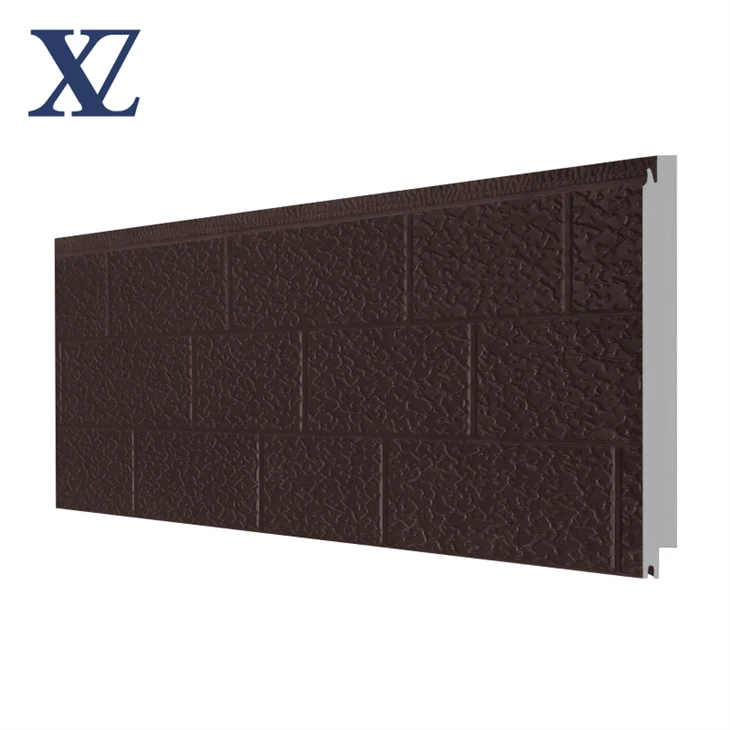
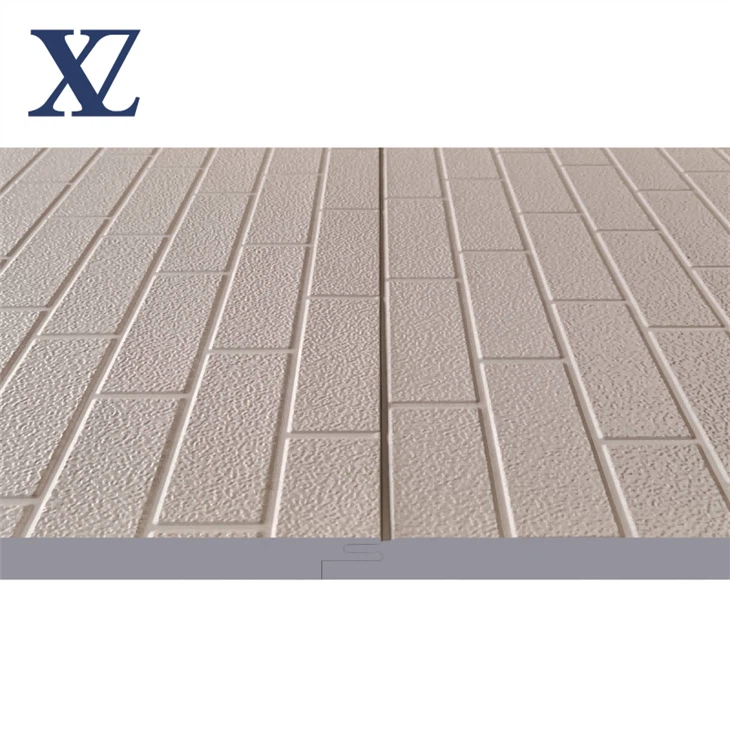
EPS foam sandwich panels consist of an expanded polystyrene (EPS) core sandwiched between two outer layers, typically made of metal, such as steel or aluminum, or other materials like fiberglass. EPS is a lightweight, rigid, and insulating material made from expanded polystyrene beads. The outer layers provide structural strength, protection, and aesthetic appeal to the panels.
EPS foam sandwich panels offer several advantages, including excellent thermal insulation, high strength-to-weight ratio, ease of installation, and cost-effectiveness. These properties make them a popular choice for various applications, such as building walls, roofs, cold storage facilities, and industrial partitions. EPS Foam Sandwich Panel
Requirements for Clean Rooms
Clean rooms are classified based on the number of particles per cubic meter of air at a specific particle size. For example, a Class 100 clean room allows no more than 100 particles of 0.5 micrometers or larger per cubic foot of air. To achieve and maintain these strict cleanliness levels, clean rooms require materials that meet certain criteria:
- Low Particle Generation: Materials used in clean rooms should not shed or release particles into the air. This includes both visible particles and microscopic particles that can contaminate the environment.
- Chemical Resistance: Clean rooms often use various chemicals for cleaning, sterilization, and manufacturing processes. Materials must be resistant to these chemicals to prevent degradation and the release of contaminants.
- Smooth Surface Finish: A smooth surface finish is essential to prevent the accumulation of dust and particles. It also makes cleaning and disinfection easier.
- Fire Resistance: Clean rooms must comply with fire safety regulations. Materials used should have appropriate fire ratings to minimize the risk of fire spread.
Can EPS Foam Sandwich Panels Meet Clean Room Requirements?
Particle Generation
One of the main concerns when using EPS foam sandwich panels in clean rooms is particle generation. EPS is a porous material, and there is a risk that small particles of foam could break off and become airborne. However, modern manufacturing processes have significantly reduced this risk. High-quality EPS foam sandwich panels are designed to have a closed-cell structure, which minimizes the release of particles. Additionally, the outer layers of the panels act as a barrier, preventing the escape of foam particles into the clean room environment.
Chemical Resistance
EPS foam is generally resistant to many common chemicals used in clean rooms, such as mild detergents and disinfectants. However, it may not be suitable for use with strong solvents or chemicals that can dissolve or degrade the foam. When selecting EPS foam sandwich panels for a clean room, it is important to consider the specific chemicals that will be used in the facility and choose panels with appropriate chemical resistance.
Surface Finish
The surface finish of EPS foam sandwich panels can vary depending on the type of outer layer used. Metal outer layers, such as steel or aluminum, can provide a smooth, non-porous surface that is easy to clean and disinfect. Fiberglass outer layers can also offer a smooth surface, but they may require additional treatment to ensure optimal cleanliness. It is important to choose panels with a surface finish that meets the cleanliness requirements of the clean room.
Fire Resistance
EPS foam is a combustible material, which can be a concern in clean rooms where fire safety is a top priority. However, many EPS foam sandwich panels are available with fire-resistant coatings or additives that improve their fire performance. These panels can meet the fire safety requirements of most clean rooms, but it is important to verify the fire ratings of the panels and ensure that they comply with local building codes and regulations.
Advantages of Using EPS Foam Sandwich Panels in Clean Rooms
Despite the potential challenges, there are several advantages to using EPS foam sandwich panels in clean rooms:
- Thermal Insulation: EPS foam has excellent thermal insulation properties, which can help to maintain a stable temperature in the clean room. This is important for many manufacturing processes that require precise temperature control.
- Lightweight and Easy to Install: EPS foam sandwich panels are lightweight, which makes them easy to handle and install. This can reduce installation time and labor costs, especially for large clean room projects.
- Cost-Effective: EPS foam sandwich panels are generally more cost-effective than other types of clean room panels, such as stainless steel or fiberglass panels. This can make them a more attractive option for budget-conscious projects. EPS Composite Panels
Considerations for Using EPS Foam Sandwich Panels in Clean Rooms
When considering using EPS foam sandwich panels in a clean room, the following factors should be taken into account:
- Quality and Certification: Choose EPS foam sandwich panels from a reputable supplier that can provide quality assurance and certification. This ensures that the panels meet the required standards for particle generation, chemical resistance, fire performance, and other important properties.
- Installation and Sealing: Proper installation and sealing of the panels are crucial to prevent the ingress of particles and contaminants. Use experienced installers who are familiar with clean room requirements and follow the manufacturer's installation instructions carefully.
- Maintenance and Cleaning: Regular maintenance and cleaning are essential to keep the clean room environment clean and free of contaminants. Develop a maintenance schedule and use appropriate cleaning methods and products to ensure the long-term performance of the EPS foam sandwich panels.
Conclusion
In conclusion, EPS foam sandwich panels can be used in clean rooms, but it is important to carefully evaluate their suitability based on the specific requirements of the facility. When properly selected, installed, and maintained, EPS foam sandwich panels can provide a cost-effective and efficient solution for clean room construction. Their thermal insulation properties, lightweight design, and ease of installation make them an attractive option for many applications.
If you are considering using EPS foam sandwich panels in your clean room project, I encourage you to contact us for more information. Our team of experts can help you select the right panels for your needs and provide guidance on installation, maintenance, and compliance with clean room standards. EPS Sandwich Wall Panel
References
- Clean Room Design and Operation Guidelines, International Society for Pharmaceutical Engineering (ISPE)
- ASTM Standards for Clean Room Materials and Testing
- Manufacturer's Technical Data Sheets for EPS Foam Sandwich Panels