

What is the weight of Flame Resistant PU Panels?
Aug 28, 2025
Leave a message
Hey there! As a supplier of Flame Resistant PU Panels, I often get asked about the weight of these panels. It's a crucial question, especially when you're planning a project, whether it's for a commercial building or a residential one. So, let's dive right in and explore what the weight of Flame Resistant PU Panels really means.
First off, what are Flame Resistant PU Panels? Well, these panels are made of polyurethane (PU), a synthetic material known for its excellent insulation properties. The "flame resistant" part is super important. It means that these panels have been treated or designed in a way that they don't catch fire easily and can slow down the spread of flames in case of a fire. You can check out more about these panels on our Flame Resistant PU Panel page.
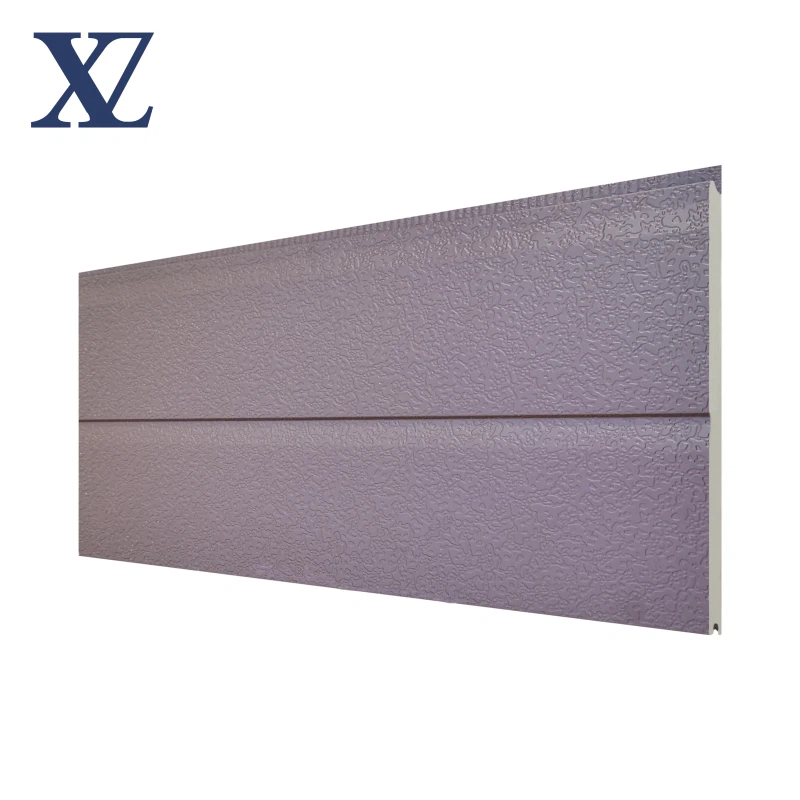

Now, onto the weight. The weight of Flame Resistant PU Panels can vary quite a bit. It depends on several factors, such as the thickness of the panel, the density of the polyurethane core, and the type of facing materials used.
Let's start with the thickness. Thicker panels are generally heavier. For example, a 50mm thick Flame Resistant PU Panel will weigh more than a 25mm thick one. This is because there's more material in the thicker panel. If you're building a structure that needs better insulation, you might go for a thicker panel, but you'll also need to consider the additional weight it will add to the overall structure.
The density of the polyurethane core also plays a big role. Higher density cores mean more material per unit volume, which in turn means more weight. A panel with a high - density core will be more rigid and may offer better insulation and structural strength, but it'll be heavier. On the other hand, a lower density core will result in a lighter panel, which might be more suitable for applications where weight is a major concern, like in some portable structures or lightweight buildings.
The facing materials are another factor. Flame Resistant PU Panels can have different types of facings, such as metal, fiberglass, or plastic. Metal facings, like Colored Corrugated Metal Siding, are relatively heavy compared to plastic or fiberglass facings. If you choose a panel with a metal facing, it will add to the overall weight of the panel. However, metal facings offer durability and a nice aesthetic look, which might be worth the extra weight in some cases.
So, how do you figure out the weight of the panels you need? Well, most suppliers, including us, will provide you with the weight specifications for each type of panel. These specs usually include the weight per square meter or per panel. You can use this information to calculate the total weight of the panels you'll need for your project.
Let's say you're planning to use Flame Resistant PU Panels for an outdoor wall in your backyard. You want to use Outdoor Decorative Wall Sandwich Panels. First, measure the area of the wall you want to cover. Then, check the weight per square meter of the panels you've chosen. Multiply the area by the weight per square meter, and you'll get the total weight of the panels.
It's also important to consider the weight when it comes to installation. Heavier panels might require more manpower and special equipment for installation. You need to make sure that the structure you're attaching the panels to can support the weight. If you're not sure, it's a good idea to consult with a structural engineer.
Another aspect to think about is transportation. Heavier panels can be more expensive to transport. The cost of shipping is often based on weight, so if you're getting panels from a far - away supplier, the weight can add up to the overall cost of your project.
In some cases, you might be able to save on weight and cost by choosing the right combination of panel thickness, core density, and facing materials. For example, if you don't need the highest level of insulation, you can go for a thinner panel with a lower density core and a lighter facing material.
Now, let's talk about why the weight matters in different applications. In commercial buildings, such as warehouses or factories, the weight of the panels can affect the design of the building's structure. The building needs to be able to support the weight of the panels, along with the weight of any equipment or inventory inside. In residential buildings, especially in multi - story homes, the weight of the panels can impact the load - bearing capacity of the floors and walls.
For outdoor structures like sheds or garages, the weight of the panels can determine how easy or difficult it is to assemble the structure. Lighter panels are generally easier to handle and install, which can save you time and money on labor.
If you're into DIY projects, the weight of the Flame Resistant PU Panels can also be a big factor. You might not have access to heavy - duty equipment, so lighter panels will be more manageable for you to work with.
In conclusion, the weight of Flame Resistant PU Panels is an important consideration in any project. It's affected by the thickness, core density, and facing materials. By understanding these factors, you can make an informed decision about which panels are right for your needs.
If you're interested in purchasing Flame Resistant PU Panels or have any questions about their weight or other specifications, feel free to reach out. We're here to help you choose the best panels for your project and ensure a smooth installation process.
References
- Building Materials Handbook: A Guide to Polyurethane Panels
- Construction Industry Research on Flame Resistant Materials