

What is the water vapor permeability of pu sandwich panels?
Oct 31, 2025
Leave a message
What is the water vapor permeability of pu sandwich panels?
As a supplier of PU sandwich panels, I often encounter inquiries about the water vapor permeability of these products. Water vapor permeability is a crucial factor when considering the performance and suitability of PU sandwich panels for various applications. In this blog, I will delve into the concept of water vapor permeability, its significance in the context of PU sandwich panels, and how it impacts the overall functionality of these panels.
Understanding Water Vapor Permeability
Water vapor permeability, also known as water vapor transmission rate (WVTR), refers to the rate at which water vapor passes through a material. It is typically measured in units such as grams per square meter per day (g/m²/day). A material with high water vapor permeability allows water vapor to pass through it easily, while a material with low water vapor permeability restricts the passage of water vapor.
In the case of building materials, water vapor permeability plays a vital role in maintaining a healthy indoor environment. When warm, moist air comes into contact with a cold surface, such as an exterior wall, water vapor can condense. If the building material does not allow water vapor to escape, this condensation can lead to problems such as mold growth, rot, and damage to the structure. Therefore, understanding the water vapor permeability of building materials is essential for preventing these issues.

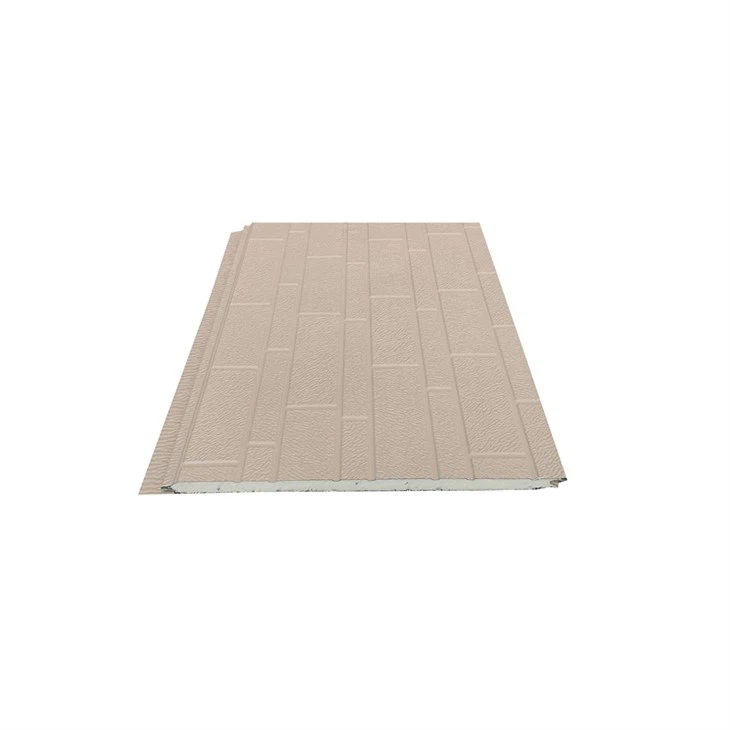
Water Vapor Permeability of PU Sandwich Panels
PU sandwich panels consist of a core material, usually polyurethane foam, sandwiched between two outer layers, which can be made of various materials such as steel, aluminum, or fiberglass. The water vapor permeability of PU sandwich panels is influenced by several factors, including the properties of the core material, the outer layers, and the overall construction of the panel.
The polyurethane foam core of PU sandwich panels generally has a relatively low water vapor permeability. Polyurethane is a closed - cell foam, which means that the cells in the foam are isolated from each other. This structure restricts the movement of water vapor through the core material. The closed - cell nature of the polyurethane foam also provides excellent thermal insulation properties, as it traps air within the cells, reducing heat transfer.
The outer layers of PU sandwich panels also contribute to the overall water vapor permeability. For example, metal outer layers such as steel or aluminum have very low water vapor permeability. They act as a barrier, preventing water vapor from entering or exiting the panel. On the other hand, some outer layers made of more porous materials may allow a certain amount of water vapor to pass through.
Significance of Water Vapor Permeability in PU Sandwich Panels
The water vapor permeability of PU sandwich panels has several important implications for their use in construction.
1. Moisture Management
Proper moisture management is crucial in buildings. PU sandwich panels with appropriate water vapor permeability can help prevent the buildup of moisture within the building envelope. By allowing a controlled amount of water vapor to escape, the panels can reduce the risk of condensation and associated problems such as mold and mildew growth.
2. Durability
Excessive moisture can cause damage to building materials over time. If water vapor is trapped within the panel, it can lead to the degradation of the core material and the outer layers. By controlling the water vapor permeability, PU sandwich panels can maintain their structural integrity and durability, ensuring a longer service life.
3. Indoor Air Quality
A healthy indoor environment is essential for the well - being of occupants. By preventing moisture - related issues such as mold growth, PU sandwich panels with suitable water vapor permeability can contribute to better indoor air quality. This is particularly important in buildings such as residential homes, hospitals, and schools.
Applications and Water Vapor Permeability Considerations
The water vapor permeability requirements for PU sandwich panels vary depending on the application.
1. Insulated Sandwich Wall Panels
For Insulated Sandwich Wall Panels, the water vapor permeability should be carefully balanced. In cold climates, it is important to prevent warm, moist indoor air from condensing on the cold exterior wall. Panels with low water vapor permeability can help keep the moisture inside the building, while still providing good thermal insulation. In warmer and more humid climates, panels may need to allow some water vapor to escape to prevent moisture buildup.
2. Outside Wall Insulation Panels
Outside Wall Insulation Panels are exposed to the elements. They need to protect the building from external moisture while also allowing any internal moisture to escape. A panel with appropriate water vapor permeability can ensure that the wall remains dry and free from damage.
3. Decorative Thermal Insulation Panels
Decorative Thermal Insulation Panels not only provide insulation but also enhance the aesthetic appeal of the building. The water vapor permeability of these panels is important to maintain the integrity of the decorative finish. If moisture is trapped behind the panel, it can cause the finish to peel or crack.
Measuring and Controlling Water Vapor Permeability
There are several methods for measuring the water vapor permeability of PU sandwich panels. One common method is the cup method, where a sample of the panel is placed over a cup containing a desiccant or water. The rate of water vapor transfer through the sample is measured over a period of time.
Manufacturers can control the water vapor permeability of PU sandwich panels through various means. They can adjust the formulation of the polyurethane foam core to change its cell structure and density. The choice of outer layers and their thickness can also be optimized to achieve the desired water vapor permeability.
Conclusion
In conclusion, the water vapor permeability of PU sandwich panels is a critical property that affects their performance, durability, and suitability for different applications. As a supplier of PU sandwich panels, we understand the importance of providing panels with the right water vapor permeability to meet the specific needs of our customers.
Whether you are building a residential home, a commercial building, or an industrial facility, choosing the right PU sandwich panels with appropriate water vapor permeability can ensure a healthy, energy - efficient, and long - lasting building. If you are interested in purchasing our PU sandwich panels or have any questions about water vapor permeability and its implications for your project, please do not hesitate to contact us for a detailed discussion. We are here to assist you in making the best choice for your construction needs.
References
- ASHRAE Handbook - Fundamentals. American Society of Heating, Refrigerating and Air - Conditioning Engineers.
- Building Science Corporation. "Moisture Control in Buildings."
- ASTM Standards related to water vapor transmission testing of building materials.