

What is the insulation performance of an eps sandwich panel?
Sep 19, 2025
Leave a message
Hey there! As a supplier of EPS sandwich panels, I often get asked about their insulation performance. So, I thought I'd take the time to break it down for you in this blog post.
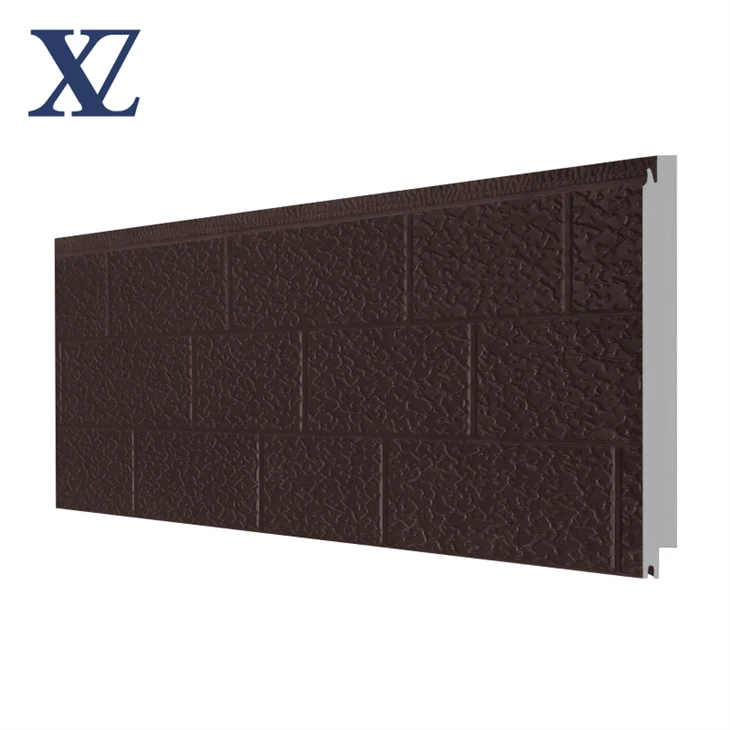

First off, let's talk about what EPS is. EPS stands for expanded polystyrene. It's a lightweight, rigid foam material that's made by expanding small beads of polystyrene with steam. The result is a material that's filled with tiny air pockets, which gives it excellent insulation properties.
Now, when we're talking about the insulation performance of an EPS sandwich panel, we're mainly looking at its thermal conductivity. Thermal conductivity is a measure of how well a material conducts heat. The lower the thermal conductivity, the better the insulation.
EPS has a very low thermal conductivity, typically ranging from 0.033 to 0.040 W/(m·K). This means that it's very good at resisting the flow of heat. When you use an EPS sandwich panel in your building, it helps to keep the heat inside during the winter and outside during the summer. This can lead to significant energy savings and a more comfortable indoor environment.
One of the key factors that affects the insulation performance of an EPS sandwich panel is its thickness. Generally speaking, the thicker the panel, the better the insulation. For example, a 70mm EPS Sandwich Panel will have better insulation properties than a thinner panel. This is because there's more EPS material to resist the heat transfer.
Another factor is the density of the EPS. Higher density EPS generally has better insulation performance, but it also tends to be more expensive. So, you need to find the right balance between cost and performance for your specific project.
The construction of the sandwich panel also plays a role. An EPS sandwich panel typically consists of an EPS core sandwiched between two outer layers, which can be made of materials like steel, aluminum, or fiberglass. These outer layers not only provide structural support but also protect the EPS core. The quality of the bonding between the core and the outer layers is crucial. A good bond ensures that there are no gaps or air leaks, which can reduce the insulation performance.
Let's take a look at some real - world applications. EPS sandwich panels are widely used in industrial buildings, cold storage facilities, and even some residential constructions. In industrial buildings, they help to maintain a stable temperature, which is important for the operation of machinery and the comfort of workers. In cold storage facilities, their excellent insulation properties are essential for keeping the products at the right temperature.
For example, imagine a large cold storage warehouse. Without proper insulation, a huge amount of energy would be wasted trying to keep the interior cold. But with EPS sandwich panels, the heat transfer from the outside is minimized, and the refrigeration system doesn't have to work as hard. This not only saves energy but also reduces the wear and tear on the equipment.
In residential construction, EPS sandwich panels can be used to build energy - efficient homes. They can help to reduce heating and cooling costs, making the home more environmentally friendly and cost - effective in the long run.
When it comes to comparing EPS sandwich panels with other insulation materials, EPS has some distinct advantages. Compared to traditional insulation materials like fiberglass, EPS is more moisture - resistant. Fiberglass can absorb moisture, which can reduce its insulation performance over time. EPS, on the other hand, is relatively impervious to moisture, so its insulation properties remain stable.
Also, EPS sandwich panels are easier to install. They come in pre - fabricated panels, which can be quickly and easily assembled on - site. This reduces the construction time and labor costs.
Now, if you're considering using EPS sandwich panels for your project, you might be interested in our EPS Composite Panels and EPS Sandwich Wall Panel. These products are designed to meet different needs and specifications. Whether you're building a small shed or a large commercial building, we have the right panel for you.
If you want to learn more about the insulation performance of our EPS sandwich panels or have any questions about our products, don't hesitate to get in touch. We're always happy to provide more information and help you find the best solution for your project. We can discuss your specific requirements, offer technical support, and even provide samples if needed.
In conclusion, the insulation performance of an EPS sandwich panel is excellent, thanks to the low thermal conductivity of EPS, the right thickness and density, and the proper construction of the panel. They offer many benefits in terms of energy savings, moisture resistance, and ease of installation. If you're in the market for high - quality insulation solutions, EPS sandwich panels are definitely worth considering.
References
- Building Insulation Handbook: This handbook provides in - depth information on different insulation materials, including EPS, and their performance characteristics.
- Research papers on thermal insulation in construction: These papers offer the latest research findings on the use of EPS sandwich panels in various construction applications and their impact on energy efficiency.