

What is the difference between pu sandwich panels and other sandwich panels?
Oct 30, 2025
Leave a message
Hey there! As a supplier of PU sandwich panels, I often get asked about the differences between PU sandwich panels and other types of sandwich panels. So, I thought I'd take a few minutes to break it down for you.
First off, let's talk about what a sandwich panel is. A sandwich panel is basically a composite material made up of three layers: two outer layers (also called facings) and a core layer in the middle. The facings can be made of different materials like metal, wood, or fiberglass, while the core can be made of materials such as polystyrene, mineral wool, or polyurethane (PU).
1. Material and Composition
Let's start with the core material. Other sandwich panels might use materials like expanded polystyrene (EPS) or extruded polystyrene (XPS) as their core. These materials are lightweight and have some insulating properties, but they're not as good as PU. Polyurethane is a high - performance foam that's created through a chemical reaction. It has a much more closed - cell structure compared to EPS or XPS. This closed - cell structure means that it can trap air better, which in turn leads to better insulation.
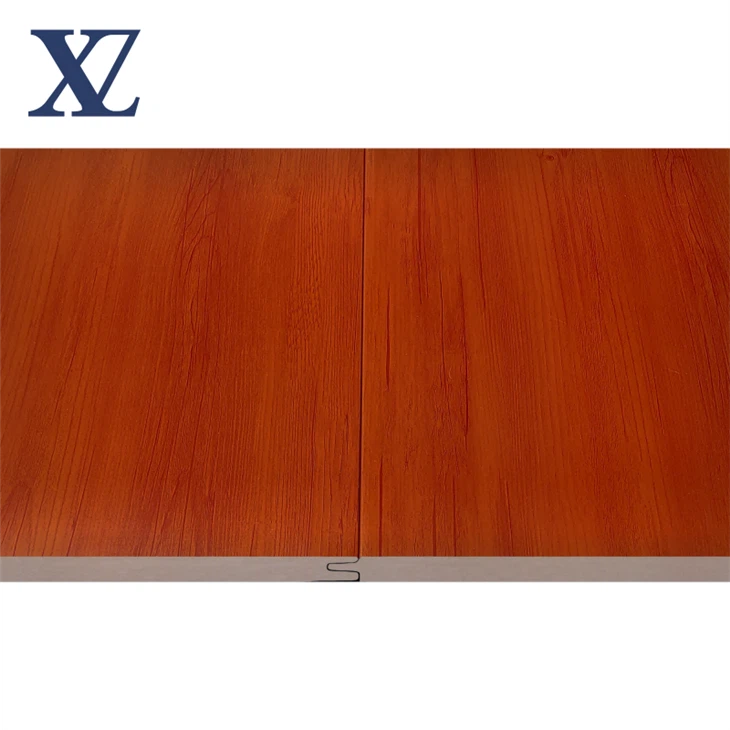
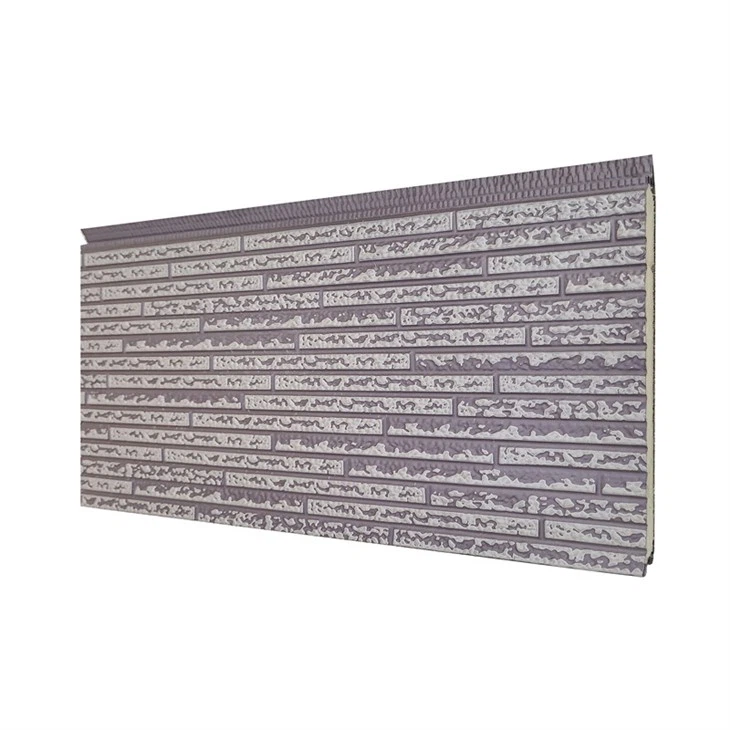
For the facings, most sandwich panels use metal sheets. But the type of metal and the coating can vary. In our PU sandwich panels, we often use high - quality galvanized or pre - painted steel facings. These facings are not only strong but also resistant to corrosion. Some other sandwich panels might use cheaper metals or less durable coatings, which can lead to problems like rusting over time.
2. Insulation Performance
When it comes to insulation, PU sandwich panels are in a league of their own. The thermal conductivity of a material is a measure of how well it conducts heat. A lower thermal conductivity means better insulation. Polyurethane has a very low thermal conductivity, usually around 0.022 - 0.024 W/(m·K). In contrast, EPS has a thermal conductivity of about 0.035 - 0.041 W/(m·K), and XPS has a thermal conductivity of around 0.028 - 0.032 W/(m·K).
What does this mean for you? Well, if you're using our Polyurethane Insulation Panels in a building, you'll be able to save a lot on your energy bills. Whether it's a cold storage facility that needs to keep the temperature low or a residential building that wants to stay warm in winter and cool in summer, PU sandwich panels can make a big difference.
3. Fire Resistance
Fire safety is a major concern, especially in construction. PU sandwich panels can be formulated to have good fire - resistant properties. We can add fire - retardant chemicals to the polyurethane foam during the manufacturing process. When exposed to fire, these panels will form a char layer on the surface, which can slow down the spread of fire and prevent the release of toxic gases.
Some other sandwich panels, like those with EPS cores, are highly flammable. They can catch fire easily and spread flames quickly. Mineral wool core sandwich panels have better fire resistance, but they don't offer the same level of insulation as PU panels.
4. Strength and Durability
PU sandwich panels are incredibly strong. The combination of the rigid polyurethane core and the strong metal facings gives them excellent structural integrity. They can withstand heavy loads, making them suitable for a wide range of applications, from industrial buildings to Architectural Metal Siding Panels.
In terms of durability, the closed - cell structure of the polyurethane foam makes it resistant to moisture. Moisture can cause a lot of problems for other sandwich panels, like rotting of the core or delamination of the facings. Our PU sandwich panels are designed to last for a long time, even in harsh environments.
5. Installation
Installing PU sandwich panels is relatively easy. They are pre - fabricated, which means they come in standard sizes and can be quickly assembled on - site. The panels are usually joined together using a tongue - and - groove system or other mechanical fasteners. This makes the installation process faster compared to some other building materials.
Some other sandwich panels might require more complex installation methods. For example, some panels with irregular shapes or poor - fitting joints can take longer to install, which can increase labor costs.
6. Cost - effectiveness
At first glance, PU sandwich panels might seem more expensive than some other types of sandwich panels. But when you consider the long - term benefits, they are actually very cost - effective. The energy savings due to their excellent insulation properties can quickly offset the initial higher cost. Also, their durability means you won't have to replace them as often as you might with cheaper, lower - quality panels.
If you're building a Prefabricated House Sandwich Panel, the quick installation time can also save you money on labor costs. And let's not forget about the reduced maintenance costs over the life of the building.
Conclusion
In conclusion, PU sandwich panels offer a lot of advantages over other types of sandwich panels. From superior insulation and fire resistance to strength and ease of installation, they are a great choice for a wide range of construction projects.
If you're interested in learning more about our PU sandwich panels or are thinking about a project where you might need them, I'd love to have a chat with you. Whether it's a small residential building or a large industrial complex, we can provide the right solution for you. Just reach out, and we can start discussing your requirements.
References
- "Handbook of Sandwich Construction" by John W. Gillespie Jr.
- "Thermal Insulation Materials and Systems" by David R. Hall