

How do frp transparent roof tiles compare with other types of roof tiles?
Oct 03, 2025
Leave a message
When it comes to roofing solutions, the choice of roof tiles plays a crucial role in determining the functionality, aesthetics, and longevity of a building. As a supplier of FRP transparent roof tiles, I have witnessed firsthand the growing popularity of these innovative roofing materials. In this blog post, I will compare FRP transparent roof tiles with other types of roof tiles, highlighting their unique features, advantages, and limitations.
1. FRP Transparent Roof Tiles: An Overview
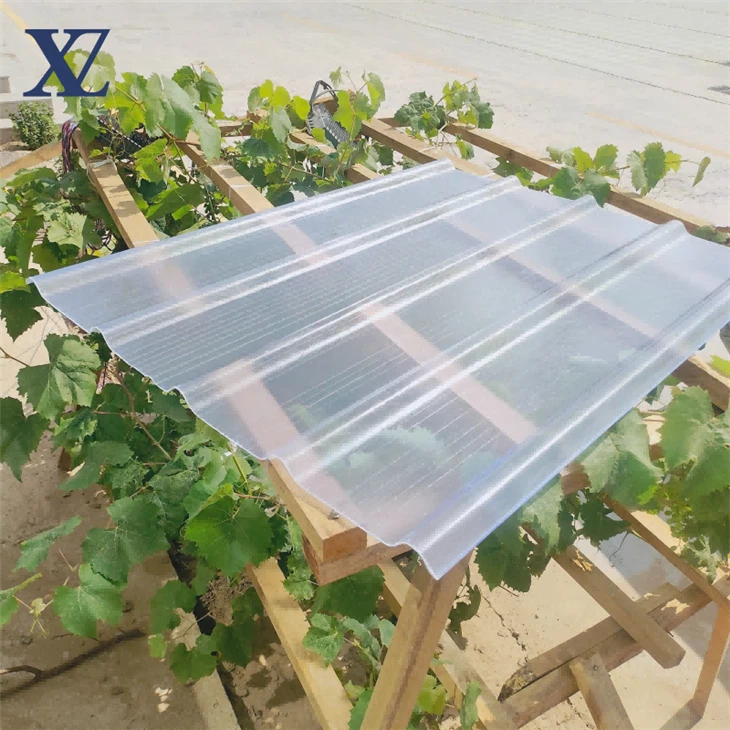
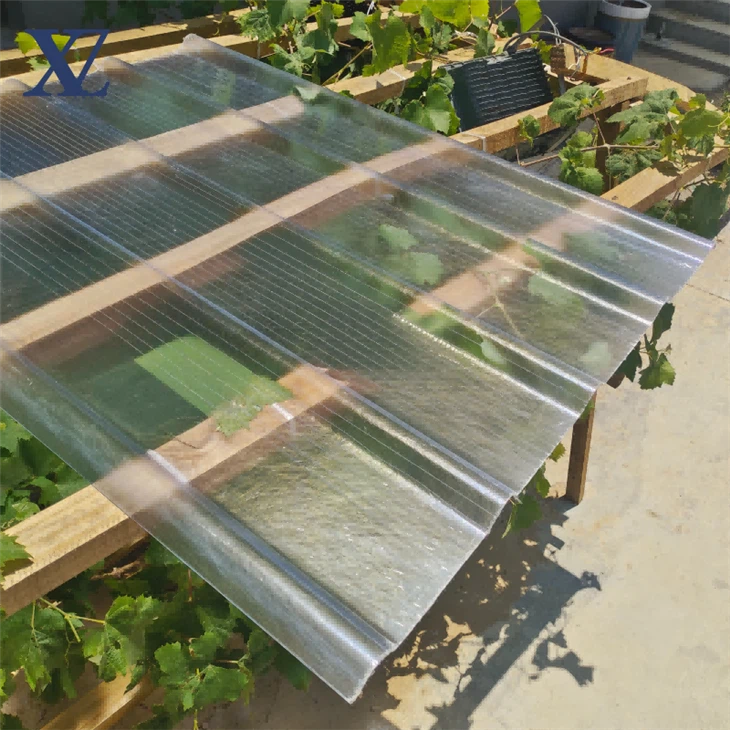
FRP, or Fiberglass Reinforced Plastic, transparent roof tiles are made by combining fiberglass and resin. These tiles are known for their transparency, which allows natural light to penetrate into the building, reducing the need for artificial lighting during the day. The FRP Transparent Roofing Sheet is a common product in this category, offering a sleek and modern look.
The FRP Corrugated Sheet and Fiberglass Corrugated Roof Tile are also popular variations. The corrugated design not only adds strength to the tiles but also enhances water runoff, making them suitable for areas with heavy rainfall.
2. Comparison with Traditional Clay Tiles
Aesthetics
Clay tiles have a long - standing reputation for their classic and elegant appearance. They come in a variety of colors and shapes, which can give a building a traditional and timeless look. In contrast, FRP transparent roof tiles offer a more modern and contemporary aesthetic. Their transparency can create a unique visual effect, especially in industrial or commercial buildings where natural light is desired.
Durability
Clay tiles are generally quite durable and can last for decades if properly installed and maintained. However, they are brittle and can be easily damaged by hail, strong winds, or impacts. FRP transparent roof tiles, on the other hand, are more flexible and resistant to impact. They can withstand harsh weather conditions, including heavy snow, strong winds, and UV radiation, without cracking or breaking.
Cost
The initial cost of clay tiles can be relatively high, especially for high - quality or specialty tiles. Additionally, the installation of clay tiles is often labor - intensive, which can add to the overall cost. FRP transparent roof tiles are more cost - effective in terms of both material and installation. They are lighter in weight, which reduces the need for heavy - duty support structures and simplifies the installation process.
Energy Efficiency
Clay tiles have some insulating properties, but they do not allow natural light to enter the building. This means that artificial lighting is required during the day, increasing energy consumption. FRP transparent roof tiles, with their transparency, can significantly reduce the need for artificial lighting, leading to energy savings.
3. Comparison with Metal Roof Tiles
Corrosion Resistance
Metal roof tiles, such as steel or aluminum, are prone to corrosion over time, especially in areas with high humidity or exposure to saltwater. FRP transparent roof tiles are corrosion - resistant, making them a better choice for coastal areas or industrial environments where chemical exposure is a concern.
Noise Reduction
Metal roof tiles can be noisy during rain or hailstorms, as the sound of raindrops hitting the metal surface can be amplified. FRP transparent roof tiles have better noise - reduction properties. The fiberglass and resin composition helps to absorb and dampen the sound, creating a quieter indoor environment.
Thermal Performance
Metal roof tiles can conduct heat, which means that they can become very hot in the summer and transfer that heat into the building. FRP transparent roof tiles have better thermal insulation properties. They can help to keep the building cooler in the summer and warmer in the winter, reducing the load on heating and cooling systems.
Design Flexibility
Metal roof tiles are available in a variety of profiles and colors, but their design options are somewhat limited compared to FRP transparent roof tiles. FRP tiles can be easily customized in terms of shape, size, and transparency level, allowing for more creative and unique roofing designs.
4. Comparison with Asphalt Shingles
Lifespan
Asphalt shingles typically have a lifespan of 15 - 30 years, depending on the quality and environmental conditions. FRP transparent roof tiles have a longer lifespan, often lasting 30 - 50 years or more. This means that they require less frequent replacement, reducing long - term costs.
Fire Resistance
Asphalt shingles are flammable and can pose a fire hazard, especially in areas prone to wildfires. FRP transparent roof tiles are fire - resistant. They have a high ignition point and do not contribute to the spread of fire, providing an added layer of safety for the building.
Maintenance
Asphalt shingles require regular maintenance, such as inspection for loose or damaged shingles and re - sealing. FRP transparent roof tiles are relatively low - maintenance. They do not require painting or sealing, and they can be easily cleaned with water and mild detergent.
5. Advantages and Limitations of FRP Transparent Roof Tiles
Advantages
- Natural Light Transmission: As mentioned earlier, the transparency of FRP roof tiles allows natural light to enter the building, reducing energy consumption and creating a more pleasant indoor environment.
- Lightweight: Their lightweight nature makes them easy to handle and install, reducing labor costs and the need for heavy - duty support structures.
- Durability: They are resistant to impact, corrosion, UV radiation, and harsh weather conditions, ensuring a long service life.
- Design Flexibility: They can be customized to meet specific design requirements, offering architects and builders more creative freedom.
Limitations
- Scratch Susceptibility: The surface of FRP transparent roof tiles can be scratched if not handled carefully during installation or cleaning. However, proper care and the use of non - abrasive cleaning materials can minimize this issue.
- Color Fading: Over time, prolonged exposure to sunlight may cause some color fading in the tiles. However, modern manufacturing techniques have significantly improved the color - retention properties of FRP tiles.
6. Conclusion and Call to Action
In conclusion, FRP transparent roof tiles offer a range of advantages over other types of roof tiles. They are cost - effective, durable, energy - efficient, and provide a unique aesthetic appeal. Whether you are building a new industrial facility, a commercial building, or a residential property, FRP transparent roof tiles can be an excellent choice.
If you are interested in learning more about our FRP transparent roof tiles or would like to discuss your specific roofing needs, please do not hesitate to contact us. We are committed to providing high - quality products and professional services to help you achieve the best roofing solution for your project.
References
- Building Materials Handbook: A comprehensive guide to various building materials, including roof tiles.
- Journal of Architectural Engineering: Articles on the performance and characteristics of different roofing materials.
- Industry reports on the roofing market, which provide data on the popularity and trends of different roof tile types.