

Can Flame Resistant PU Panels be used in the automotive industry?
Oct 03, 2025
Leave a message
In recent years, the automotive industry has been continuously evolving, with a growing emphasis on safety, performance, and environmental friendliness. One area that has garnered increasing attention is the use of advanced materials, and flame-resistant PU (Polyurethane) panels have emerged as a potential candidate for various automotive applications. As a supplier of flame-resistant PU panels, I am eager to explore the feasibility and potential benefits of using these panels in the automotive industry.
Understanding Flame-Resistant PU Panels
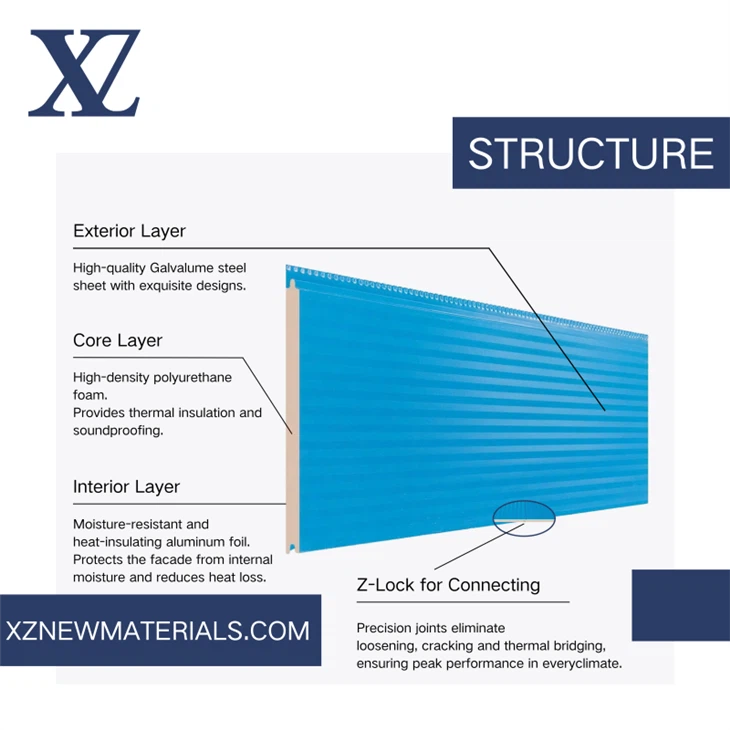
Flame-resistant PU panels are a type of composite material made by sandwiching a core of polyurethane foam between two outer layers. The polyurethane foam is engineered to have excellent insulation properties, while the outer layers can be made from a variety of materials, such as metal, fiberglass, or plastic, depending on the specific application requirements. The key feature of these panels is their ability to resist the spread of fire, which is achieved through the use of flame retardant additives in the polyurethane foam.
The benefits of flame-resistant PU panels extend beyond their fire resistance. They are lightweight, which can contribute to improved fuel efficiency in vehicles. Additionally, they offer good thermal insulation, which can help to maintain a comfortable interior temperature and reduce the load on the vehicle's heating and cooling systems. Moreover, these panels can be easily customized in terms of size, shape, and color, allowing for greater design flexibility in automotive applications.
Potential Applications in the Automotive Industry
Interior Components
One of the most promising applications of flame-resistant PU panels in the automotive industry is for interior components. These panels can be used to create door panels, seat backs, headliners, and other interior trim elements. By using flame-resistant materials, the risk of fire spreading inside the vehicle in the event of an accident or electrical malfunction can be significantly reduced. This not only enhances the safety of the vehicle occupants but also meets the strict safety regulations imposed by many countries.
For example, a car manufacturer could use Decorative Insulated Wall Panels to create a stylish and safe interior. These panels can be designed to match the overall aesthetic of the vehicle while providing the necessary fire protection. The thermal insulation properties of the panels can also help to reduce noise transmission, creating a quieter and more comfortable driving environment.
Exterior Insulation
Flame-resistant PU panels can also be used for exterior insulation in vehicles. They can be applied to the body of the vehicle to provide thermal insulation, which can improve the energy efficiency of the vehicle. In electric vehicles, this can be particularly beneficial as it can help to extend the range of the vehicle by reducing the energy consumption of the heating and cooling systems.
Exterior Foam Insulation Panels are well-suited for this application. They are lightweight and can be easily installed on the vehicle's exterior. The flame resistance of these panels also adds an extra layer of safety, especially in the event of a fire caused by external factors such as a collision or a short circuit.
Battery Enclosures
With the increasing popularity of electric vehicles, the safety of the battery system has become a critical concern. Flame-resistant PU panels can be used to create battery enclosures, which can help to contain any potential fire or explosion that may occur within the battery pack. The panels' fire resistance properties can prevent the spread of fire to other parts of the vehicle, protecting the occupants and the vehicle's components.
The thermal insulation provided by the panels can also help to maintain a stable temperature inside the battery enclosure, which is essential for the optimal performance and longevity of the battery. This can contribute to the overall reliability and safety of the electric vehicle.
Challenges and Considerations
While the potential benefits of using flame-resistant PU panels in the automotive industry are significant, there are also some challenges and considerations that need to be addressed.
Cost
One of the main challenges is the cost of these panels. Flame-resistant PU panels are generally more expensive than traditional materials used in the automotive industry. However, as the demand for these panels increases and the manufacturing processes become more efficient, the cost is expected to decrease over time. Additionally, the long-term benefits, such as improved safety and energy efficiency, may outweigh the initial cost.
Compatibility
Another consideration is the compatibility of the panels with other materials used in the vehicle. The panels need to be able to bond well with the vehicle's structure and other components to ensure their proper installation and performance. This may require the development of specialized adhesives and installation techniques.
Regulatory Compliance
The automotive industry is highly regulated, and any new material used in vehicles must comply with strict safety and environmental standards. Flame-resistant PU panels need to meet these regulations, which may involve extensive testing and certification processes. It is important for suppliers to work closely with automotive manufacturers to ensure that the panels meet all the necessary requirements.

Conclusion
In conclusion, flame-resistant PU panels have great potential for use in the automotive industry. Their fire resistance, lightweight nature, thermal insulation properties, and design flexibility make them an attractive option for various automotive applications, including interior components, exterior insulation, and battery enclosures. While there are some challenges to overcome, such as cost, compatibility, and regulatory compliance, the long-term benefits of using these panels are significant.
As a supplier of flame-resistant PU panels, I am committed to working with automotive manufacturers to develop innovative solutions that meet their specific needs. We have the expertise and resources to provide high-quality panels that are not only safe and reliable but also cost-effective. If you are interested in exploring the use of flame-resistant PU panels in your automotive applications, I encourage you to contact us for a detailed discussion and to start the procurement negotiation process.
References
- "Automotive Materials: Trends and Developments" - Industry Report
- "Flame Retardant Polyurethane Foams: Properties and Applications" - Journal of Polymer Science