

Can pu sandwich panels be recycled?
Oct 03, 2025
Leave a message
As a supplier of PU sandwich panels, I often receive inquiries from customers about the recyclability of these products. This is a crucial topic, not only from an environmental perspective but also in terms of economic efficiency and sustainable development. In this blog, I will delve into the question: Can PU sandwich panels be recycled?

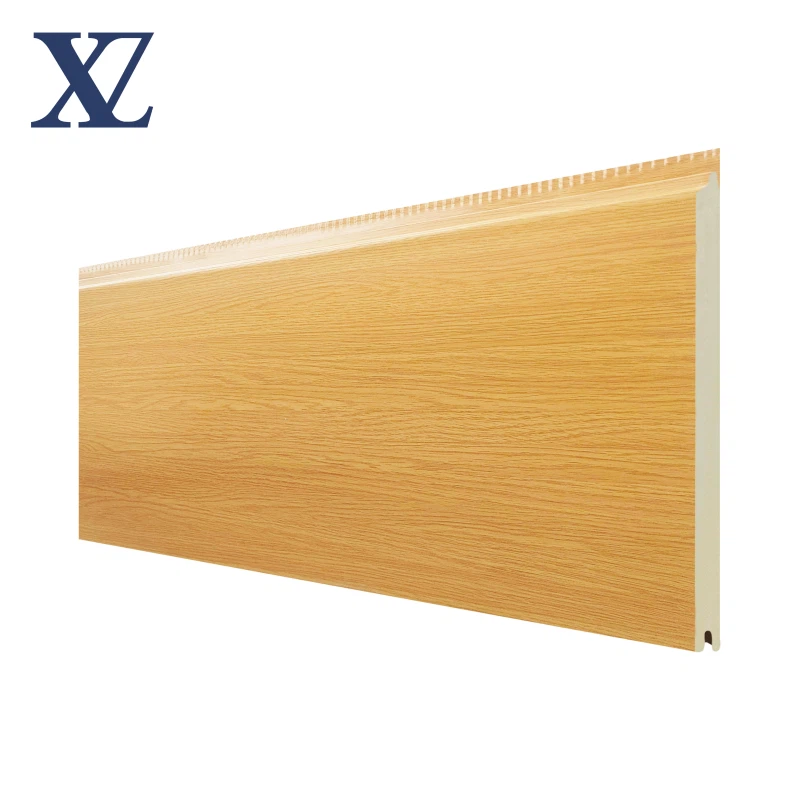
Understanding PU Sandwich Panels
PU sandwich panels consist of a core layer made of polyurethane (PU) foam, which is sandwiched between two outer layers, typically made of metal, such as steel or aluminum, or other materials like fiberglass. These panels are widely used in various applications, including Exterior Insulation Wall Panels, Fireproof Insulation Panels, and Exterior Foam Insulation Panels. They are favored for their excellent insulation properties, light weight, and ease of installation.
The Recycling Potential of Outer Layers
Let's start with the outer layers of PU sandwich panels. When the outer layers are made of metal, such as steel or aluminum, they have high recycling potential. Metal is one of the most recycled materials in the world. Recycling metal not only conserves natural resources but also reduces energy consumption compared to producing new metal from raw materials.
Steel, for example, can be recycled indefinitely without losing its properties. When steel outer layers of PU sandwich panels reach the end of their life, they can be collected, sorted, and sent to steel recycling facilities. There, the steel is melted down and used to produce new steel products, including new sandwich panel outer layers.
Aluminum also has a high recycling rate. Recycling aluminum requires only about 5% of the energy needed to produce new aluminum from bauxite ore. The aluminum outer layers of PU sandwich panels can be recycled into various aluminum products, such as beverage cans, automotive parts, and construction materials.
Challenges in Recycling the PU Core
The PU core of sandwich panels presents more challenges for recycling. Polyurethane is a complex polymer, and its recycling process is not as straightforward as that of metals. There are several reasons for this:
- Chemical Structure: PU has a cross - linked chemical structure, which makes it difficult to break down into its original monomers. Unlike some thermoplastics that can be melted and remolded, the cross - linked nature of PU requires more complex chemical processes to recycle.
- Contamination: During the use of PU sandwich panels, the PU core may be contaminated with other substances, such as dirt, paint, or adhesives. These contaminants can interfere with the recycling process and reduce the quality of the recycled material.
- Lack of Infrastructure: There is currently a lack of widespread and efficient recycling infrastructure for PU. Many recycling facilities are not equipped to handle the specific challenges of recycling PU, which limits the recycling options for PU sandwich panel cores.
Existing Recycling Methods for PU
Despite the challenges, there are several methods being explored and used to recycle the PU core of sandwich panels:
- Mechanical Recycling: In mechanical recycling, the PU foam is shredded into small pieces and then used as a filler in other products. For example, the shredded PU can be mixed with new PU or other polymers to produce new foam products with slightly different properties. However, the quality of the recycled product may be lower than that of the original, and this method is more suitable for less demanding applications.
- Chemical Recycling: Chemical recycling involves breaking down the PU polymer into its monomers or oligomers through chemical processes. These monomers or oligomers can then be used to produce new PU products. There are different chemical recycling methods, such as glycolysis, hydrolysis, and pyrolysis. However, these methods are still in the development stage and face challenges in terms of cost, scalability, and environmental impact.
- Energy Recovery: If recycling the PU core is not feasible, energy recovery can be an alternative. The PU foam can be incinerated in waste - to - energy plants, where the heat generated can be used to produce electricity or heat buildings. While this is not true recycling in the traditional sense, it can still contribute to reducing the overall environmental impact by replacing fossil fuels.
The Importance of Recycling PU Sandwich Panels
Recycling PU sandwich panels is important for several reasons:
- Environmental Protection: By recycling the outer layers and finding ways to recycle the PU core, we can reduce the amount of waste going to landfills. This helps to conserve natural resources, reduce pollution, and mitigate the environmental impact of the construction industry.
- Economic Benefits: Recycling can also bring economic benefits. For metal outer layers, recycling can save costs associated with mining and refining new metals. For the PU core, as recycling technologies improve, there may be opportunities to create new markets for recycled PU products, generating economic value.
- Sustainable Development: In an era of increasing environmental awareness, promoting the recycling of PU sandwich panels is in line with the principles of sustainable development. It allows the construction industry to meet the growing demand for sustainable building materials while minimizing its environmental footprint.
Our Role as a Supplier
As a supplier of PU sandwich panels, we have a responsibility to promote the recycling of our products. We are committed to the following:
- Educating Customers: We provide our customers with information about the recyclability of our PU sandwich panels and the importance of proper disposal at the end of their life. We encourage them to choose recycling options whenever possible.
- Research and Development: We are actively involved in research and development efforts to improve the recyclability of our products. This includes exploring new materials for the outer layers and developing more sustainable PU formulations that are easier to recycle.
- Collaboration: We collaborate with recycling facilities, research institutions, and other stakeholders to develop and implement effective recycling solutions for PU sandwich panels. By working together, we can overcome the challenges and increase the recycling rate of our products.
Conclusion
In conclusion, while the outer layers of PU sandwich panels have high recycling potential, the recycling of the PU core is more challenging but not impossible. With the development of new recycling technologies and the improvement of recycling infrastructure, the recycling rate of PU sandwich panels is expected to increase in the future.
As a supplier, we are dedicated to promoting the recycling of our products and contributing to a more sustainable future. If you are interested in purchasing high - quality PU sandwich panels or have any questions about their recyclability, please feel free to contact us for further discussion and procurement negotiations.
References
- American Chemistry Council. (2023). Polyurethane Recycling.
- European Aluminium Association. (2023). Aluminium Recycling: A Circular Success Story.
- World Steel Association. (2023). Steel Recycling.