

Do thermal wall panels work in cold climates?
Sep 22, 2025
Leave a message
Hey there! As a supplier of Thermal Wall Panels, I often get asked whether these panels actually work in cold climates. Well, I'm here to give you the lowdown on that and share some insights based on my experience in the industry.
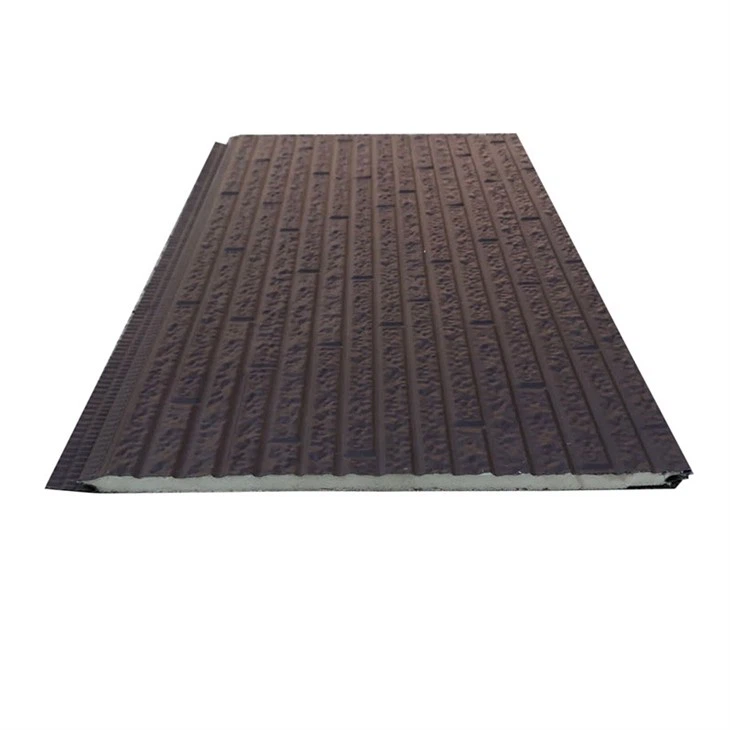

First off, let's understand what thermal wall panels are. These panels are designed to provide insulation for buildings. They help to keep the heat inside during the cold months and prevent it from seeping out. There are different types of thermal wall panels available in the market, each with its own set of features and benefits.
One of the popular types is the PU Interior Wall Panel. These panels are made of polyurethane, which is known for its excellent insulation properties. Polyurethane has a high R - value, which is a measure of a material's resistance to heat flow. The higher the R - value, the better the insulation. In cold climates, having a high R - value is crucial because it means less heat will escape from your building.
Another type is the Outside Wall Insulation Panels. These panels are installed on the exterior of the building. They act as a barrier between the cold outside air and the warm inside air. By installing these panels, you can significantly reduce your heating costs in cold climates. The panels also protect the building's structure from the harsh effects of cold weather, such as frost damage.
Architectural Metal Siding Panels are also a great option. They not only provide insulation but also add an aesthetic appeal to the building. These panels are durable and can withstand the extreme weather conditions often found in cold climates.
Now, let's get to the main question: do thermal wall panels work in cold climates? The answer is a resounding yes! Here's why.
In cold climates, the temperature outside can drop to extremely low levels. Without proper insulation, the heat inside the building will quickly escape through the walls. This means that your heating system will have to work overtime to keep the building warm, which can lead to high energy bills. Thermal wall panels help to create a thermal barrier, reducing the heat transfer between the inside and outside of the building.
For example, let's say you have a house in a cold climate without thermal wall panels. On a cold winter day, you might notice that the rooms near the exterior walls are colder than the rest of the house. This is because the heat is escaping through the walls. But if you install thermal wall panels, the heat will be retained inside the house, and the temperature will be more evenly distributed throughout the rooms.
Moreover, thermal wall panels can also help to prevent condensation. In cold climates, when warm, moist air inside the building comes into contact with the cold exterior walls, condensation can form. This can lead to mold growth and damage to the building's structure. By insulating the walls with thermal panels, you can keep the interior surface of the walls warm, preventing condensation from occurring.
However, it's important to note that the effectiveness of thermal wall panels in cold climates depends on several factors. One of the most important factors is the quality of the panels. Not all thermal wall panels are created equal. Some panels may have a lower R - value or may not be installed correctly, which can affect their performance. That's why it's crucial to choose high - quality panels from a reputable supplier.
The installation process also plays a significant role. If the panels are not installed properly, there may be gaps or air leaks, which can reduce their insulation effectiveness. It's recommended to hire a professional installer who has experience with thermal wall panels.
Another factor to consider is the climate zone. Different cold climates have different temperature ranges and weather conditions. For example, a cold climate with heavy snowfall may require more robust insulation than a cold climate with milder winters. You need to choose thermal wall panels that are suitable for your specific climate zone.
In addition to the energy - saving benefits, thermal wall panels can also increase the value of your property. In cold climates, energy - efficient buildings are highly sought after. By installing thermal wall panels, you can make your building more attractive to potential buyers or renters.
So, if you're in a cold climate and looking for a way to improve the energy efficiency of your building, thermal wall panels are definitely worth considering. They can save you money on energy bills, improve the comfort of your building, and protect your property from the effects of cold weather.
If you're interested in learning more about our thermal wall panels or have any questions, feel free to reach out. We're here to help you find the best solution for your building. Whether you're a homeowner, a business owner, or a contractor, we can provide you with high - quality thermal wall panels and expert advice.
Let's work together to make your building more energy - efficient and comfortable in cold climates.
References:
- Building Science Corporation. "Insulation Basics."
- Energy Star. "Energy - Efficient Home Improvements for Cold Climates."