

Can pc roof tiles be painted?
Sep 22, 2025
Leave a message
PC roof tiles, known for their durability, lightweight nature, and excellent light - transmission properties, are a popular choice for roofing solutions. One question that often arises among our customers is whether these PC roof tiles can be painted. As a PC roof tile supplier, I'm here to provide a comprehensive answer based on scientific knowledge and practical experience.
Understanding PC Roof Tiles
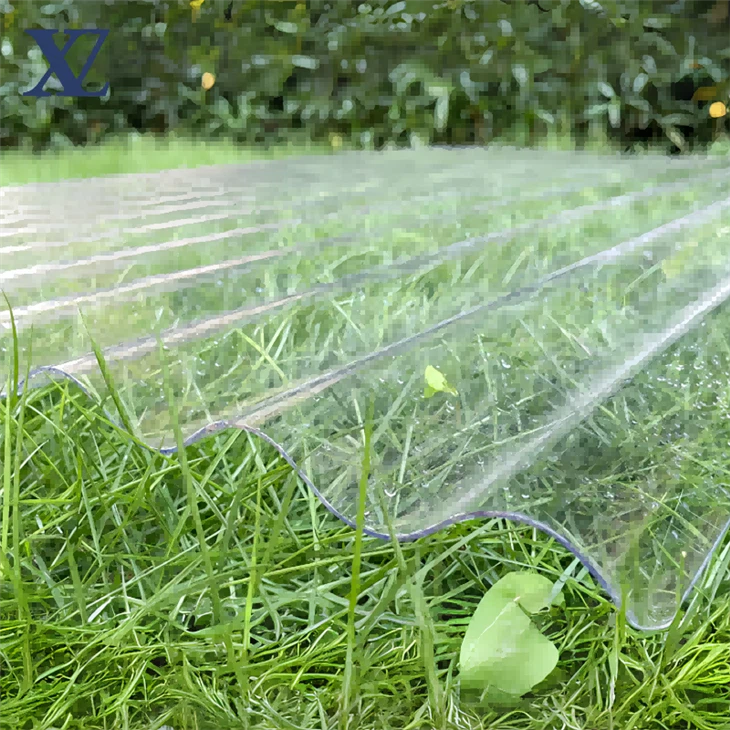
Before delving into the painting aspect, it's important to understand what PC roof tiles are. PC, or polycarbonate, is a thermoplastic polymer known for its high impact resistance, optical clarity, and weatherability. These tiles come in various types, such as Dark Brown Transparent PC Roof Tile, Transparent PC Roof Tile, and Translucent Polycarbonate Roof Panel. Each type has its own unique characteristics and applications.
Transparent PC roof tiles are commonly used in areas where natural light is desired, such as conservatories and greenhouses. They allow sunlight to penetrate while providing protection from the elements. Dark brown transparent PC roof tiles, on the other hand, offer a combination of light transmission and aesthetic appeal, adding a touch of elegance to any building. Translucent polycarbonate roof panels diffuse light evenly, reducing glare and creating a more comfortable indoor environment.
Can PC Roof Tiles Be Painted?
The short answer is yes, PC roof tiles can be painted. However, there are several factors to consider before embarking on a painting project.
Compatibility of Paint
Not all paints are suitable for PC roof tiles. Polycarbonate has a smooth surface with low surface energy, which means that regular paints may not adhere well. To ensure proper adhesion, it's crucial to use a paint specifically formulated for polycarbonate materials. These paints are designed to bond with the surface of the PC tiles and provide long - lasting protection.
Impact on Properties
Painting PC roof tiles can have an impact on their original properties. For example, if you paint a transparent or translucent tile, it will reduce its light - transmission ability. This can be a concern if the tile was initially chosen for its light - admitting properties. Additionally, some paints may affect the impact resistance and weatherability of the tiles. It's important to consult with a paint manufacturer or a professional to understand the potential effects of painting on the performance of the PC roof tiles.
Surface Preparation
Proper surface preparation is essential for successful painting. The surface of the PC roof tiles must be clean, dry, and free of dirt, grease, and other contaminants. You can use a mild detergent and water to clean the tiles, followed by a thorough rinse and drying. Some paints may also require sanding the surface slightly to improve adhesion, but this should be done with caution as polycarbonate is a relatively soft material and can be easily scratched.
Steps for Painting PC Roof Tiles
If you've decided to paint your PC roof tiles, here are the general steps to follow:
- Choose the Right Paint: As mentioned earlier, select a paint specifically designed for polycarbonate. Look for paints that offer good adhesion, flexibility, and UV resistance.
- Prepare the Surface: Clean the tiles as described above. Make sure the surface is completely dry before proceeding.
- Apply a Primer (Optional): Some paints may recommend the use of a primer to improve adhesion. Follow the manufacturer's instructions regarding primer application.
- Paint Application: Use a high - quality brush, roller, or spray gun to apply the paint. Apply thin, even coats, allowing each coat to dry completely before applying the next one. Multiple thin coats are better than one thick coat, as they are less likely to crack or peel.
- Curing and Drying: Allow the painted tiles to cure and dry according to the paint manufacturer's instructions. This may take several days, depending on the type of paint and environmental conditions.
Advantages of Painting PC Roof Tiles
There are several reasons why you might want to paint your PC roof tiles:
Aesthetic Enhancement
Painting can change the appearance of the tiles, allowing you to match them with the overall design of your building. You can choose from a wide range of colors to create a unique and personalized look.
Protection
Some paints offer additional protection against UV rays, scratches, and chemical damage. This can extend the lifespan of the PC roof tiles and reduce the need for frequent replacements.
Disadvantages of Painting PC Roof Tiles
However, there are also some drawbacks to consider:
Reduced Light Transmission
As mentioned earlier, painting transparent or translucent tiles will reduce their ability to transmit light. This can be a significant disadvantage if natural light is important in the building.

Maintenance
Painted PC roof tiles may require more maintenance than unpainted ones. Over time, the paint may chip, peel, or fade, especially in harsh environmental conditions. Regular inspections and touch - ups may be necessary to keep the tiles looking their best.
Conclusion
In conclusion, PC roof tiles can be painted, but it's a decision that should be made carefully. Consider the type of tiles, the intended use, and the potential impact on their properties before proceeding. If you're unsure, it's always a good idea to consult with a professional or contact us as your PC roof tile supplier.
We have extensive experience in providing high - quality PC roof tiles and can offer valuable advice on painting and other related topics. If you're interested in purchasing PC roof tiles or have any questions about painting them, we encourage you to reach out to us for a detailed discussion. We're committed to helping you make the best choices for your roofing needs.
References
- "Polycarbonate Materials: Properties and Applications" - A technical guide on polycarbonate materials, published by a leading polymer research institute.
- Paint Manufacturer's Instructions: Information provided by paint companies regarding the use of their products on polycarbonate surfaces.