

Can eps sandwich panels be used for temporary structures?
Jul 29, 2025
Leave a message
Can EPS Sandwich Panels Be Used for Temporary Structures?
As a supplier of EPS sandwich panels, I've received numerous inquiries about the suitability of these panels for temporary structures. In this blog, I'll delve into the characteristics of EPS sandwich panels and explore their potential use in temporary construction projects.
Understanding EPS Sandwich Panels
EPS, or expanded polystyrene, is a lightweight and rigid foam material. EPS sandwich panels consist of an EPS core sandwiched between two outer layers, typically made of metal, such as steel or aluminum, or other materials like fiberglass. These panels are known for their excellent insulation properties, light weight, and ease of installation.
The insulation performance of EPS sandwich panels is one of their most significant advantages. The EPS core has a low thermal conductivity, which helps to reduce heat transfer through the panels. This means that buildings constructed with EPS sandwich panels can maintain a more stable indoor temperature, reducing the energy consumption required for heating and cooling. For temporary structures, this can be particularly beneficial, as it can lead to cost savings on energy bills during the short - term use of the building.

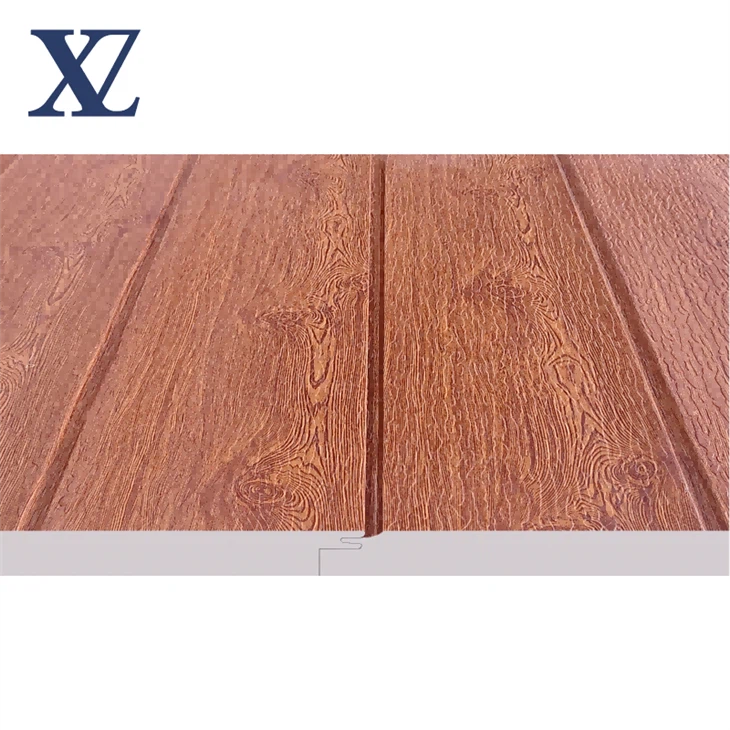
In addition to insulation, the light weight of EPS sandwich panels makes them easy to handle and transport. This is a crucial factor for temporary structures, as they often need to be quickly assembled and disassembled. The panels can be easily cut to size on - site, allowing for flexibility in the design and construction of the temporary building.
Advantages of Using EPS Sandwich Panels for Temporary Structures
Quick Installation
One of the main advantages of using EPS sandwich panels for temporary structures is the speed of installation. The panels are pre - fabricated in the factory, which means that they can be quickly delivered to the construction site and assembled. This is in contrast to traditional construction methods, which can be time - consuming and labor - intensive. For example, a small temporary warehouse or storage facility can be erected in a matter of days using EPS sandwich panels, compared to weeks or even months with traditional building materials.
Cost - Effectiveness
Temporary structures are often built on a budget, and EPS sandwich panels offer a cost - effective solution. The panels are relatively inexpensive compared to other building materials, and their quick installation reduces labor costs. Additionally, the energy - saving properties of the panels can lead to long - term cost savings on energy consumption. For businesses or organizations that need a temporary space for a short period, the lower upfront and operational costs of EPS sandwich panels make them an attractive option.
Flexibility
EPS sandwich panels offer a high degree of flexibility in terms of design and layout. They can be used to create a variety of temporary structures, including offices, warehouses, exhibition halls, and emergency shelters. The panels can be easily customized to meet the specific requirements of the project, such as size, shape, and color. For example, EPS Sandwich Wall Panel can be used to create partitions within a larger temporary space, while EPS Composite Panels can be used for roofing.
Reusability
Another advantage of using EPS sandwich panels for temporary structures is their reusability. Once the temporary structure is no longer needed, the panels can be disassembled and reused in another project. This not only reduces waste but also provides a cost - effective solution for future construction needs. For example, a company that regularly sets up temporary exhibition booths can reuse the EPS sandwich panels from one event to the next, saving money on materials and reducing its environmental impact.
Considerations When Using EPS Sandwich Panels for Temporary Structures
Fire Resistance
One of the main concerns when using EPS sandwich panels for temporary structures is their fire resistance. EPS is a flammable material, and without proper fire - retardant treatment, the panels can pose a fire hazard. However, many manufacturers, including our company, offer fire - retardant EPS sandwich panels that meet the relevant fire safety standards. It's important to ensure that the panels used in the temporary structure are fire - rated and comply with local building codes.
Durability
While EPS sandwich panels are generally durable, they may not be suitable for long - term or high - stress applications. Temporary structures are often subject to harsh environmental conditions, such as wind, rain, and snow. Therefore, it's important to choose panels with a sufficient thickness and strength to withstand these conditions. For example, 70mm EPS Sandwich Panel may be more suitable for areas with high wind loads or heavy snowfall.
Maintenance
Although EPS sandwich panels require minimal maintenance, it's still important to conduct regular inspections to ensure their integrity. The outer layers of the panels may be damaged over time, especially in high - traffic areas or areas exposed to harsh weather conditions. Any damage should be repaired promptly to prevent further deterioration of the panels.
Conclusion
In conclusion, EPS sandwich panels can be an excellent choice for temporary structures. Their quick installation, cost - effectiveness, flexibility, and reusability make them a popular option for a wide range of applications. However, it's important to consider factors such as fire resistance, durability, and maintenance when using these panels. As a supplier of EPS sandwich panels, we have the expertise and experience to help you choose the right panels for your temporary structure project.
If you're interested in using EPS sandwich panels for your next temporary construction project, we'd love to hear from you. Our team of experts can provide you with detailed information about our products, including specifications, pricing, and installation guidance. Contact us today to start a discussion about your specific needs and explore how our EPS sandwich panels can meet your requirements.
References
- "Building Construction Materials: An Introduction" by John R. Lyons
- "Insulation Materials and Systems" by ASTM International
- Industry reports on the use of sandwich panels in construction