

Can EPS composite panels be used in agricultural buildings?
Jul 29, 2025
Leave a message
As a supplier of EPS Composite Panels, I am frequently asked whether these panels can be used in agricultural buildings. In this blog post, I will delve into the various aspects of using EPS composite panels in the agricultural sector, exploring their advantages, potential drawbacks, and practical applications.
Advantages of EPS Composite Panels in Agricultural Buildings
1. Excellent Insulation Properties
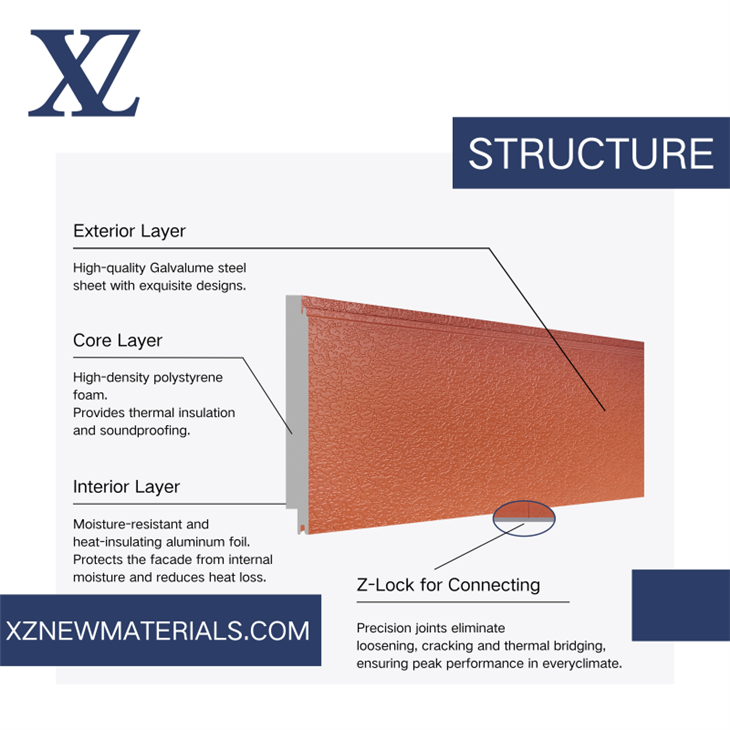
One of the most significant advantages of EPS composite panels is their outstanding insulation capabilities. EPS, or expanded polystyrene, is a lightweight and highly insulating material. When used in agricultural buildings, such as barns, greenhouses, or storage facilities, these panels can effectively reduce heat transfer. This means that during cold seasons, the interior of the building can be kept warm with less energy consumption, while in hot weather, the panels help to keep the building cool. For example, in a dairy barn, maintaining a stable temperature is crucial for the health and productivity of the cows. EPS composite panels can contribute to creating a comfortable environment, reducing the stress on the animals and potentially increasing milk production. You can learn more about EPS Foam Sandwich Panel on our website.
2. Lightweight and Easy to Install
EPS composite panels are relatively lightweight compared to traditional building materials like bricks or concrete. This makes them much easier to handle and install, which can significantly reduce construction time and labor costs. In agricultural settings, where time is often of the essence, this is a major advantage. For instance, if a farmer needs to quickly erect a new storage shed for hay or equipment, using EPS composite panels can speed up the construction process. Additionally, the lightweight nature of the panels puts less stress on the building's foundation, which can be beneficial in areas with less stable soil conditions.
3. Cost - Effective
In terms of cost, EPS composite panels are often more affordable than many other building materials. The lower material cost, combined with the reduced installation time and labor expenses, makes them an attractive option for agricultural building projects. Moreover, the energy savings achieved through their insulation properties can lead to long - term cost benefits. For example, a greenhouse owner using EPS composite panels may see a significant reduction in heating and cooling costs over the years, offsetting the initial investment in the panels. You can check out our 70mm EPS Sandwich Panel for more cost - effective options.
4. Durability and Resistance
EPS composite panels are designed to be durable and resistant to various environmental factors. They are resistant to moisture, which is important in agricultural buildings where there may be high levels of humidity or exposure to water. This resistance helps to prevent the growth of mold and mildew, which can be harmful to both the building structure and the stored products or animals. Additionally, the panels can withstand some degree of impact, making them suitable for use in areas where there may be accidental collisions, such as in a livestock barn.
Potential Drawbacks of EPS Composite Panels in Agricultural Buildings
1. Fire Hazard
One of the main concerns with EPS composite panels is their flammability. EPS is a plastic material, and in the event of a fire, it can burn and release toxic fumes. However, many modern EPS composite panels are treated with fire - retardant chemicals to reduce this risk. When using EPS composite panels in agricultural buildings, it is crucial to ensure that they meet the relevant fire safety standards and to implement appropriate fire prevention and protection measures, such as installing fire alarms and sprinkler systems.
2. Limited Structural Strength
While EPS composite panels are suitable for many non - load - bearing applications in agricultural buildings, they may not have the same structural strength as traditional building materials. For large - scale agricultural structures that require significant load - bearing capacity, such as multi - story barns or large storage silos, additional structural support may be needed. It is important to consult with a structural engineer to determine the appropriate use of EPS composite panels in such cases.
Practical Applications of EPS Composite Panels in Agricultural Buildings
1. Greenhouses
EPS composite panels are an excellent choice for greenhouses. Their insulation properties help to maintain a stable temperature inside the greenhouse, which is essential for the growth of plants. The panels can also be easily customized to fit the specific design requirements of the greenhouse, allowing for efficient use of space. Additionally, the lightweight nature of the panels makes it easier to construct large - scale greenhouses without putting excessive stress on the foundation.

2. Livestock Barns
In livestock barns, EPS composite panels can create a comfortable and healthy environment for the animals. The insulation helps to regulate the temperature, reducing the risk of heat stress in summer and cold stress in winter. The moisture resistance of the panels also helps to keep the barn dry, which is important for preventing diseases in the animals. Moreover, the easy installation of the panels allows for quick construction or renovation of the barns.
3. Storage Facilities
For storing agricultural products such as grains, hay, or equipment, EPS composite panels can provide an effective storage solution. The insulation properties help to protect the stored products from extreme temperatures, while the moisture resistance prevents spoilage. The cost - effectiveness of the panels makes them a practical choice for farmers looking to build or expand their storage facilities.
Conclusion
In conclusion, EPS composite panels can be a viable option for many agricultural building applications. Their insulation properties, lightweight nature, cost - effectiveness, and durability make them attractive for various agricultural structures such as greenhouses, livestock barns, and storage facilities. However, it is important to be aware of the potential drawbacks, such as fire hazard and limited structural strength, and to take appropriate measures to address them. If you are considering using EPS Composite Panels for your agricultural building project, I encourage you to contact us for more information and to discuss your specific needs. We are happy to provide you with detailed product information, technical support, and assistance in the procurement process. Whether you are a small - scale farmer or a large - scale agricultural enterprise, we can help you find the right EPS composite panel solution for your building needs.
References
- "Building Materials for Agricultural Structures" - A comprehensive guide on various building materials used in the agricultural sector.
- "Insulation Technologies for Agricultural Buildings" - Research on the importance of insulation in agricultural buildings and the performance of different insulation materials.
- "Fire Safety in Agricultural Buildings" - Guidelines and standards for ensuring fire safety in agricultural structures.