

What is the sound insulation effect of pu sandwich panels?
Dec 04, 2025
Leave a message
What is the sound insulation effect of pu sandwich panels?
As a supplier of PU sandwich panels, I often get asked about the sound insulation effect of these remarkable building materials. In this blog post, I'll delve into the science behind the sound insulation capabilities of PU sandwich panels, compare them to other common building materials, and discuss the factors that influence their performance.
The Science of Sound Insulation
Before we explore the sound insulation properties of PU sandwich panels, it's essential to understand how sound travels and how materials can block or absorb it. Sound is a mechanical wave that travels through the air or other mediums, causing particles to vibrate. When sound waves encounter a material, they can be reflected, absorbed, or transmitted through it.
The effectiveness of a material's sound insulation is measured by its Sound Transmission Class (STC) rating. The STC rating is a single-number index that represents the ability of a material or assembly to reduce sound transmission. A higher STC rating indicates better sound insulation.
Sound Insulation Properties of PU Sandwich Panels
PU sandwich panels are known for their excellent thermal insulation properties, but they also offer significant sound insulation benefits. The polyurethane foam core of the panel acts as a sound absorber, reducing the transmission of sound waves through the panel.
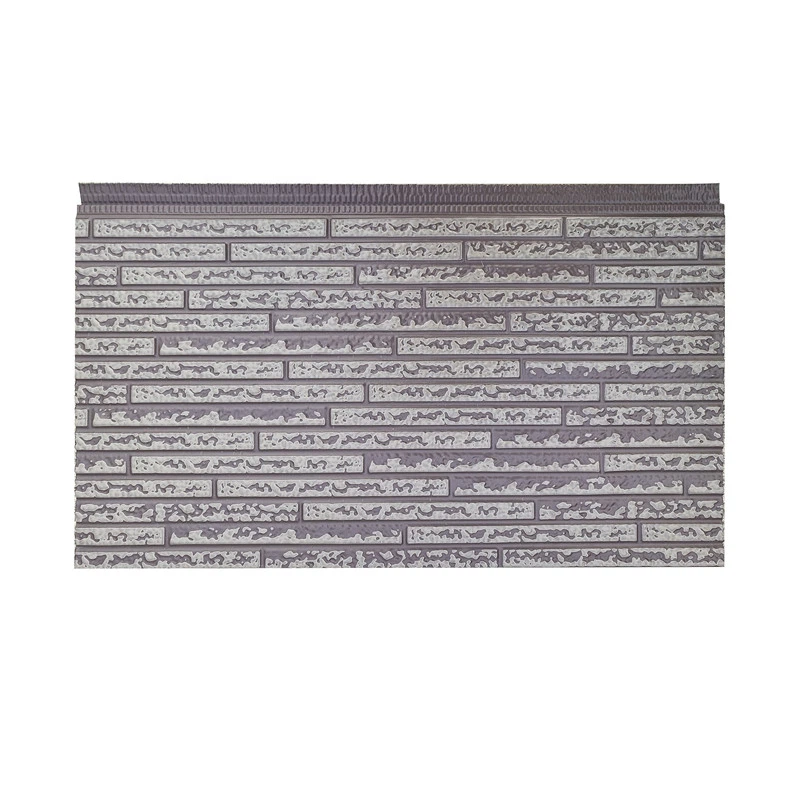

The closed-cell structure of the polyurethane foam traps air pockets, which helps to dampen sound vibrations. Additionally, the two outer metal skins of the panel provide a barrier that reflects sound waves, further enhancing the sound insulation effect.
The STC rating of PU sandwich panels typically ranges from 30 to 45, depending on the thickness of the panel and the density of the polyurethane foam core. This means that PU sandwich panels can effectively reduce the transmission of common sounds, such as voices, traffic noise, and machinery noise.
Comparison with Other Building Materials
When compared to other common building materials, PU sandwich panels offer superior sound insulation performance. For example, traditional brick walls have an STC rating of around 40, while concrete walls can have an STC rating of up to 50. However, these materials are much heavier and more expensive than PU sandwich panels.
Gypsum board partitions, which are commonly used in interior construction, have an STC rating of around 30. While gypsum board partitions can provide some sound insulation, they are not as effective as PU sandwich panels.
In addition to their superior sound insulation performance, PU sandwich panels are also lightweight, easy to install, and cost-effective. These advantages make them an ideal choice for a wide range of applications, including commercial buildings, industrial facilities, and residential homes.
Factors Affecting Sound Insulation Performance
The sound insulation performance of PU sandwich panels can be affected by several factors, including the thickness of the panel, the density of the polyurethane foam core, the type of outer metal skin, and the installation method.
- Thickness of the Panel: Generally, thicker panels offer better sound insulation performance than thinner panels. This is because the thicker panel provides more material to absorb and block sound waves.
- Density of the Polyurethane Foam Core: The density of the polyurethane foam core also affects the sound insulation performance of the panel. Higher density foam cores typically offer better sound insulation than lower density foam cores.
- Type of Outer Metal Skin: The type of outer metal skin can also affect the sound insulation performance of the panel. Galvanized steel and aluminum are commonly used for the outer metal skin of PU sandwich panels. Galvanized steel offers better sound insulation than aluminum due to its higher density.
- Installation Method: The installation method of the PU sandwich panels can also affect their sound insulation performance. Proper installation, including the use of sealing materials and proper jointing techniques, can help to minimize sound leakage through the panel joints.
Applications of PU Sandwich Panels for Sound Insulation
PU sandwich panels are widely used in a variety of applications where sound insulation is required. Some common applications include:
- Commercial Buildings: PU sandwich panels are commonly used in commercial buildings, such as offices, hotels, and restaurants, to provide sound insulation between different areas of the building.
- Industrial Facilities: In industrial facilities, PU sandwich panels can be used to create soundproof enclosures for machinery and equipment, reducing noise pollution in the workplace.
- Residential Homes: PU sandwich panels can be used in residential homes to provide sound insulation between rooms, reducing noise transmission and creating a more peaceful living environment.
- Prefabricated Buildings: Prefabricated House Sandwich Panel are often used in prefabricated buildings, such as modular homes and portable offices, to provide both thermal and sound insulation.
Conclusion
In conclusion, PU sandwich panels offer excellent sound insulation performance, making them an ideal choice for a wide range of applications. The polyurethane foam core of the panel acts as a sound absorber, while the two outer metal skins provide a barrier that reflects sound waves.
The sound insulation performance of PU sandwich panels can be affected by several factors, including the thickness of the panel, the density of the polyurethane foam core, the type of outer metal skin, and the installation method. By choosing the right panel and ensuring proper installation, you can maximize the sound insulation benefits of PU sandwich panels.
If you're looking for a high-quality, cost-effective building material that offers both thermal and sound insulation, Polyurethane Foam Sandwich Panel are an excellent choice. As a leading supplier of PU sandwich panels, we offer a wide range of products to meet your specific needs. Contact us today to learn more about our products and how they can benefit your next project.
References
- "Sound Transmission Class (STC) Ratings." Building Science Corporation.
- "Polyurethane Foam Insulation: Properties and Applications." Polyurethane Foam Association.
- "Sound Insulation in Buildings." International Building Code.