

What is the sound - absorption coefficient of EPS foam sandwich panel?
Jan 09, 2026
Leave a message
Let's dive right into the world of EPS foam sandwich panels and talk about one of their most interesting properties: the sound - absorption coefficient. I'm a supplier of EPS Foam Sandwich Panel, and I've seen firsthand how these panels are used in various applications. They're super versatile, from construction sites to industrial setups.
First off, what exactly is the sound - absorption coefficient? In simple terms, it's a number that tells you how well a material can absorb sound. A coefficient of 0 means the material reflects all the sound that hits it, while a coefficient of 1 means it absorbs all of the sound. For EPS foam sandwich panels, this coefficient is influenced by several factors.
The structure of these panels plays a huge role. EPS foam sandwich panels typically consist of a layer of expanded polystyrene (EPS) foam sandwiched between two layers of other materials, like metal or plastic. The EPS foam is the key player here when it comes to sound absorption. The porous nature of the foam allows sound waves to enter and get trapped within its small air pockets. As the sound waves bounce around inside these pockets, they lose energy and turn into heat, which is a neat little science trick for reducing noise.
The thickness of the EPS layer also matters a lot. Generally, thicker EPS layers have a higher sound - absorption coefficient. A 50mm EPS Sandwich Panel will usually absorb more sound than a thinner one. This is because the sound waves have more distance to travel through the foam, which gives them more opportunities to get absorbed.
The density of the EPS foam is another factor. Higher - density foams tend to have a better sound - absorption performance. The denser the foam, the more complex its internal structure, and the more effectively it can trap and dissipate sound energy. But here's the thing, a higher - density foam also means a heavier panel, which can be a consideration for some applications, especially those with weight restrictions.
Now, let's talk about some real - world applications. In construction, EPS foam sandwich panels are often used for walls and partitions. They can help create a quieter indoor environment, whether it's in an office building, a residential home, or a factory. For example, in an office where multiple people are working, these panels can reduce the noise from conversations and equipment, creating a more productive and comfortable workspace.
In the industrial sector, they're used in warehouses and manufacturing plants. The machinery in these places can be really loud, and the sound - absorbing properties of EPS foam sandwich panels can help protect workers from excessive noise exposure. It also helps in reducing noise pollution that could affect the surrounding area.
But it's not just about the technical aspects. As a supplier, I've also had to deal with the practical side of things. When customers are looking for EPS Foam Sandwich Panel, they often have specific requirements. Some need a panel with a high sound - absorption coefficient for a recording studio, while others are more concerned about the panel's strength and durability for a construction project.
That's where our EPS Composite Panels come in. We offer a range of EPS composite panels that can be customized to meet different needs. Whether you need a panel with a specific thickness, density, or surface finish, we can work with you to find the right solution.
One question I often get is how to measure the sound - absorption coefficient of an EPS foam sandwich panel. There are standard tests that are used to determine this value. One of the most common methods is the reverberation room test. In this test, the panel is placed in a special room designed to create a reverberant sound field. Microphones are used to measure the sound levels before and after the panel is introduced, and the difference in these levels is used to calculate the sound - absorption coefficient.

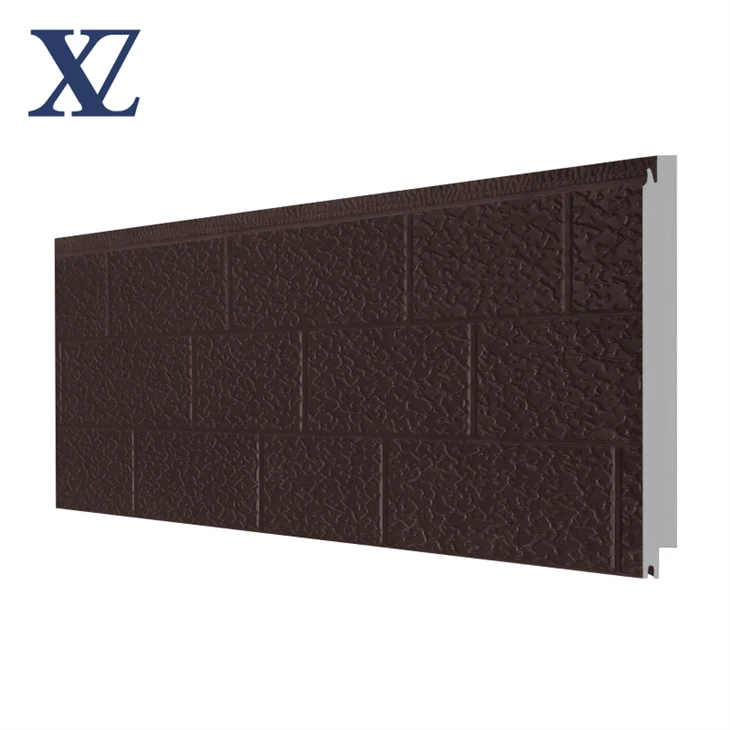
Another method is the impedance tube test. This is a more laboratory - based test. A small sample of the panel is placed in a tube, and sound waves are sent through it. By measuring the reflected and transmitted sound, the sound - absorption coefficient can be determined.
It's important to note that the sound - absorption coefficient can vary depending on the frequency of the sound. Different materials absorb different frequencies of sound more effectively. For EPS foam sandwich panels, they tend to be more effective at absorbing mid - to high - frequency sounds. This is great for reducing the noise from things like voices, office equipment, and some types of machinery.
As a supplier, I always make sure to provide my customers with accurate information about the sound - absorption properties of our panels. We can provide test results and data to show how our panels perform in different scenarios. And if a customer has a unique situation, we're happy to work with them to conduct additional tests or provide customized solutions.
If you're in the market for EPS foam sandwich panels and are interested in their sound - absorption capabilities, don't hesitate to reach out. We have a team of experts who can help you understand all the technical details and find the right panel for your project. Whether you're a contractor, an architect, or a business owner, we're here to assist you in making the best choice.
In conclusion, the sound - absorption coefficient of EPS foam sandwich panels is an important property that has many real - world applications. It's influenced by factors like the panel's structure, thickness, and density, and can vary depending on the sound frequency. As a supplier, we're committed to providing high - quality panels that meet the specific needs of our customers. So if you're considering using EPS foam sandwich panels for your next project, get in touch with us to start the conversation.
References
- ASTM E90 - Standard Test Method for Laboratory Measurement of Airborne Sound Transmission Loss of Building Partitions and Elements.
- ISO 354 - Acoustics - Measurement of sound absorption in a reverberation room.