

What is the moisture resistance of an eps sandwich panel?
Jul 07, 2025
Leave a message
Moisture resistance is a critical factor to consider when evaluating the performance and durability of building materials, especially for sandwich panels used in construction. As a supplier of EPS sandwich panels, I understand the importance of this characteristic and its impact on the overall quality of the panels. In this blog, I will delve into what the moisture resistance of an EPS sandwich panel is, how it is achieved, and why it matters in various applications.
Understanding EPS Sandwich Panels
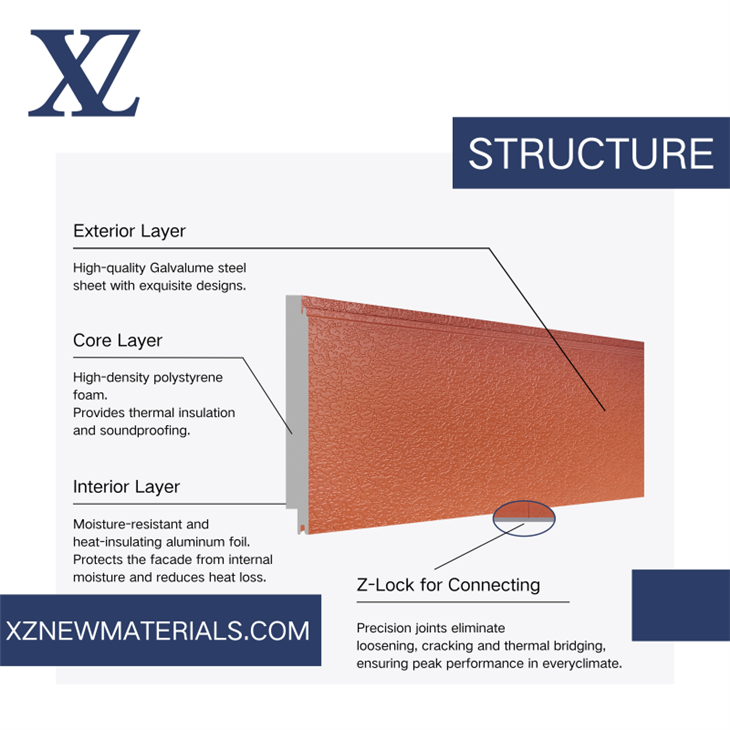
Before we discuss moisture resistance, let's briefly understand what EPS sandwich panels are. EPS, or expanded polystyrene, is a lightweight, rigid foam material made from polystyrene beads that are expanded and fused together. EPS sandwich panels consist of an EPS core sandwiched between two outer layers, typically made of metal, such as steel or aluminum, or other materials like fiberglass or plywood. These panels are widely used in construction for walls, roofs, and partitions due to their excellent insulation properties, lightweight nature, and ease of installation.
What is Moisture Resistance?
Moisture resistance refers to a material's ability to resist the penetration and absorption of moisture. In the context of EPS sandwich panels, it is the capacity of the panel to prevent water from seeping into the core and outer layers, which could lead to various problems such as mold growth, corrosion, reduced insulation performance, and structural damage.
The moisture resistance of an EPS sandwich panel is determined by several factors, including the properties of the EPS core, the quality of the outer layers, and the overall panel design and construction.
Properties of the EPS Core
EPS itself has relatively good moisture resistance. It is a closed - cell foam, which means that the cells within the foam are sealed and do not allow water to easily penetrate. The closed - cell structure of EPS provides a natural barrier against moisture, preventing it from being absorbed into the core.
However, it's important to note that EPS is not completely waterproof. Over time, if exposed to prolonged contact with water or high - humidity environments, a small amount of moisture can be absorbed through the cell walls. This absorption is usually minimal, but it can still have an impact on the panel's performance if not properly managed.
Quality of the Outer Layers
The outer layers of an EPS sandwich panel play a crucial role in enhancing its moisture resistance. Metal outer layers, such as steel or aluminum, are commonly used due to their durability and relatively good water - repellent properties. These metals can be coated with protective finishes, such as paint or galvanization, to further improve their resistance to corrosion and moisture penetration.
For example, a galvanized steel outer layer provides a zinc coating that acts as a sacrificial anode, protecting the steel from rusting when exposed to moisture. Paint coatings can also provide an additional barrier against water and environmental elements.
Non - metal outer layers, like fiberglass or plywood, also need to be treated or coated to improve their moisture resistance. Fiberglass can be impregnated with resin, which helps to seal the fibers and prevent water absorption. Plywood can be treated with water - repellent chemicals or coated with a waterproof membrane.
Panel Design and Construction
The design and construction of the EPS sandwich panel also contribute to its moisture resistance. Proper sealing and jointing of the panels are essential to prevent water from entering through the gaps between panels. Sealing strips or gaskets can be used at the panel joints to create a watertight seal.
In addition, the panel's installation method can affect its moisture resistance. Panels should be installed with the correct slope and drainage provisions to ensure that water can drain away from the surface and not accumulate on the panel.
Importance of Moisture Resistance in Different Applications
The moisture resistance of EPS sandwich panels is of utmost importance in various construction applications:
Residential Buildings
In residential buildings, EPS sandwich panels are often used for exterior walls and roofs. Good moisture resistance helps to maintain a dry and healthy indoor environment. It prevents the growth of mold and mildew, which can cause health problems for the occupants. Additionally, it ensures that the insulation performance of the panels remains stable over time, reducing energy consumption for heating and cooling.
Commercial Buildings
Commercial buildings, such as warehouses and factories, also benefit from the moisture resistance of EPS sandwich panels. These buildings often store goods or equipment that can be damaged by moisture. A moisture - resistant panel helps to protect the contents of the building and maintain the structural integrity of the building itself.
Cold Storage Facilities
Cold storage facilities require high - performance insulation and excellent moisture resistance. EPS sandwich panels are commonly used in these applications due to their insulation properties. The moisture resistance of the panels is crucial to prevent the formation of ice and frost on the inner surfaces, which can reduce the efficiency of the cooling system and damage the panels.
Our Range of EPS Sandwich Panels with Good Moisture Resistance
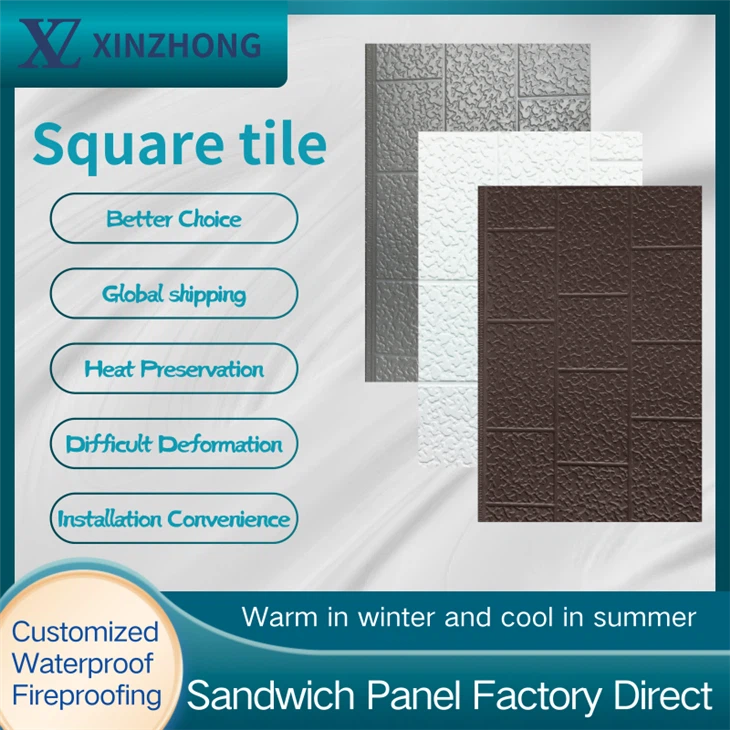
As a supplier of EPS sandwich panels, we offer a wide range of products with excellent moisture - resistant properties. Our 70mm EPS Sandwich Panel is designed with a high - quality EPS core and durable outer layers. The metal outer layers are coated with advanced protective finishes to ensure long - term moisture resistance.
Our EPS Foam Sandwich Panel is another popular option. It combines the lightweight and insulating properties of EPS foam with moisture - resistant outer layers, making it suitable for various construction projects.
We also provide EPS Composite Panels that are engineered to meet the highest standards of moisture resistance. These panels are constructed using advanced manufacturing techniques and high - quality materials to ensure optimal performance in different environments.
Contact Us for Procurement and Consultation
If you are considering using EPS sandwich panels for your construction project and are interested in their moisture - resistant properties, we are here to help. Our team of experts can provide you with detailed information about our products, including their moisture resistance ratings, installation requirements, and performance in different conditions.
Whether you are a contractor, builder, or property owner, we can offer tailored solutions to meet your specific needs. We are committed to providing high - quality EPS sandwich panels that offer excellent moisture resistance and long - term durability. Contact us today to start a discussion about your procurement requirements and let us help you find the best EPS sandwich panels for your project.
References
- ASTM International. "Standard Test Methods for Water Vapor Transmission of Materials." ASTM E96/E96M - 16.
- Building Research Establishment. "Moisture Performance of Building Envelopes." BRE Report.
- National Research Council. "Moisture Control in Buildings." National Academies Press.