

What is the long - term performance of EPS composite panels?
Aug 07, 2025
Leave a message
As a supplier of EPS Composite Panels, I've witnessed firsthand the growing popularity of these versatile building materials. Their integration into various construction projects, from residential homes to commercial buildings, has been remarkable. In this blog, I'll delve into the long - term performance of EPS Composite Panels, exploring their key characteristics and how they stand the test of time.
Thermal Insulation Performance
One of the most significant advantages of EPS Composite Panels is their outstanding thermal insulation capabilities. EPS, or expanded polystyrene, is a lightweight and highly efficient insulating material. The closed - cell structure of EPS foam restricts the movement of air, which in turn reduces heat transfer through conduction, convection, and radiation.
Over the long term, EPS Composite Panels maintain their thermal insulation properties. Unlike some other insulation materials that may degrade over time due to moisture absorption or settling, EPS is resistant to water vapor and does not compact. This means that the energy efficiency of a building insulated with EPS Composite Panels remains consistent for decades. For example, in a study conducted by the Building Science Corporation, it was found that buildings with EPS - based insulation maintained a stable indoor temperature, resulting in significant energy savings over a 20 - year period.
This long - term thermal performance is crucial for both environmental and economic reasons. From an environmental perspective, reduced energy consumption means lower carbon emissions. Economically, building owners benefit from lower heating and cooling costs throughout the life of the building. If you're interested in exploring our EPS Composite Panels for their thermal insulation benefits, I encourage you to reach out to discuss your project requirements.
Structural Integrity
EPS Composite Panels are designed to provide both insulation and structural support. The panels typically consist of an EPS core sandwiched between two outer layers, which can be made of materials such as metal, cement board, or fiberglass. This composite structure gives the panels excellent strength - to - weight ratios.
In the long run, the structural integrity of EPS Composite Panels is maintained due to the durability of the materials used. The EPS core is resistant to pests, rot, and decay, ensuring that it does not weaken over time. The outer layers are selected for their ability to withstand environmental stresses such as wind, rain, and temperature fluctuations. For instance, metal - faced EPS Composite Panels are often used in industrial buildings, where they can withstand high winds and heavy snow loads for many years without significant damage.
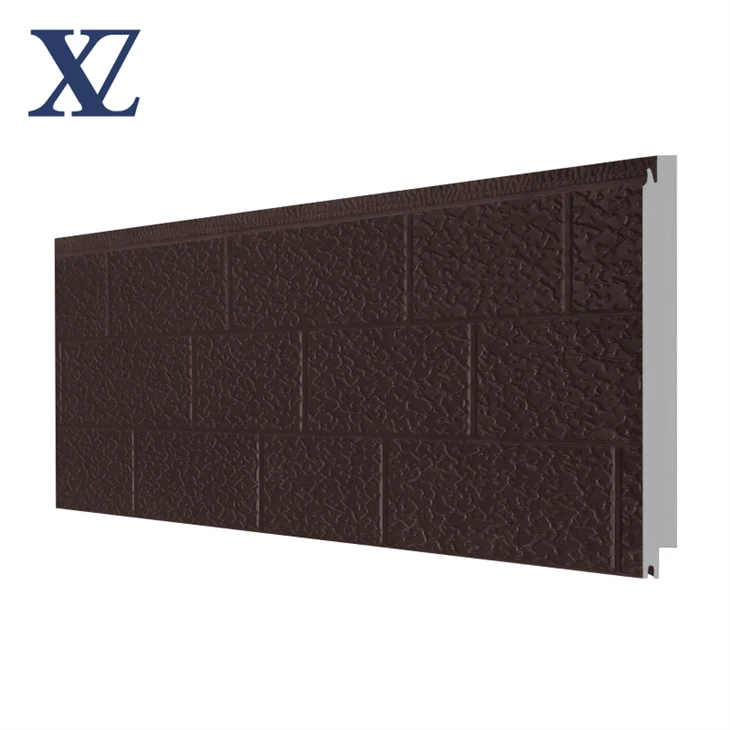
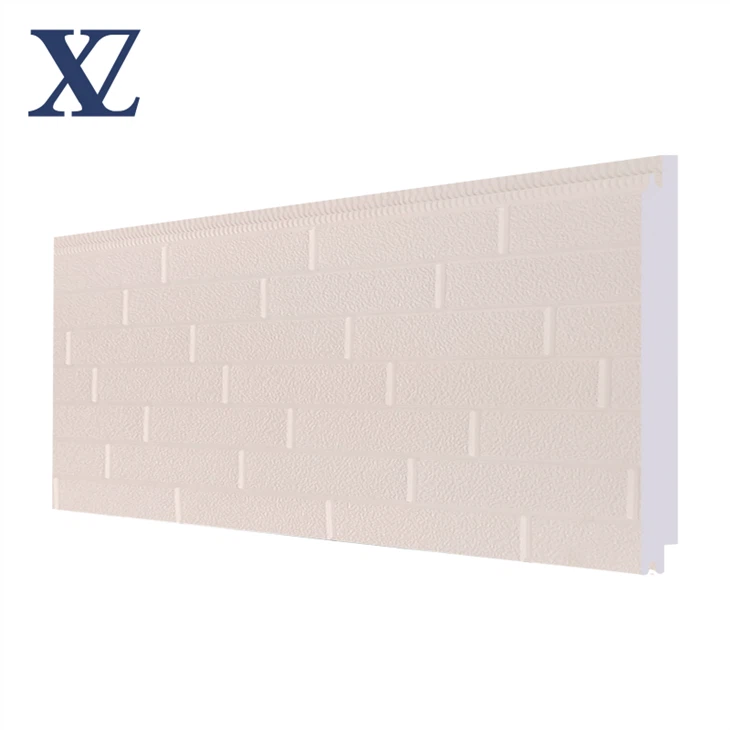
Moreover, the manufacturing process of EPS Composite Panels is highly controlled, ensuring consistent quality. This means that the panels installed in a building today will perform as expected for the long term, providing reliable support for the building's structure. If you're considering using EPS Sandwich Wall Panel for a construction project that requires both insulation and structural stability, I'd be happy to discuss the best options for your needs.
Fire Resistance
Fire safety is a top concern in the construction industry. EPS Composite Panels can be engineered to meet specific fire - resistance requirements. While EPS itself is a combustible material, manufacturers can add fire - retardant chemicals during the production process.
These fire - retardant additives work by releasing non - flammable gases when exposed to high temperatures, which helps to slow down the spread of fire. Over time, the fire - retardant properties of EPS Composite Panels remain effective, as long as the panels are properly maintained. Regular inspections and maintenance can ensure that the panels' fire - resistance capabilities are not compromised.
For example, in a large - scale commercial building, the use of fire - rated EPS Foam Sandwich Panel can provide an added layer of safety. These panels can help to contain a fire within a specific area, giving occupants more time to evacuate and reducing the risk of structural collapse. If you have fire - safety concerns for your construction project, I can provide detailed information about our fire - rated EPS Composite Panels.
Moisture Resistance
Moisture can be a major threat to building materials, leading to mold growth, rot, and structural damage. EPS Composite Panels have excellent moisture - resistance properties. The closed - cell structure of EPS foam prevents water from penetrating the core, and the outer layers of the panels can be designed to shed water effectively.
In a humid environment or in areas prone to heavy rainfall, EPS Composite Panels can maintain their performance over the long term. They do not absorb water, which means that they will not swell, warp, or lose their insulating properties. This is particularly important in coastal areas or in buildings with high humidity levels, such as swimming pools or greenhouses.
For example, a residential building near the coast that uses EPS Composite Panels will be better protected against the corrosive effects of saltwater and high humidity. The panels' moisture - resistance ensures that the building remains dry and comfortable, reducing the risk of health problems associated with mold and mildew. If you're building in a moisture - prone area, I can recommend the most suitable EPS Composite Panels for your project.
Acoustic Performance
In addition to thermal and structural performance, EPS Composite Panels can also provide good acoustic insulation. The EPS core acts as a sound absorber, reducing the transmission of noise between different areas of a building.
Over time, the acoustic performance of EPS Composite Panels remains consistent. The closed - cell structure of the EPS foam does not change, and the outer layers of the panels continue to block sound waves. This is beneficial in both residential and commercial buildings. In a residential setting, it can create a quiet and peaceful living environment, while in a commercial building, it can reduce distractions and improve productivity.
For example, an office building using EPS Composite Panels can provide a more comfortable working environment by reducing the noise from outside traffic or neighboring offices. If you're interested in improving the acoustic performance of your building, I can provide more information about our EPS Composite Panels and how they can meet your specific acoustic requirements.
Maintenance and Long - Term Care
One of the advantages of EPS Composite Panels is that they require relatively low maintenance. Regular inspections to check for any signs of damage, such as cracks or dents in the outer layers, are usually sufficient. If any damage is detected, it can often be repaired easily and cost - effectively.
The outer layers of the panels can be cleaned with mild detergents and water, which helps to maintain their appearance and performance. Additionally, ensuring that the building's drainage systems are working properly can prevent water from accumulating around the panels, further protecting their long - term performance.
If you choose to use our EPS Composite Panels, I can provide you with a maintenance guide to help you keep the panels in optimal condition throughout the life of your building.
Conclusion
In conclusion, the long - term performance of EPS Composite Panels is highly impressive. Their excellent thermal insulation, structural integrity, fire resistance, moisture resistance, and acoustic performance make them a reliable choice for a wide range of construction projects. Whether you're building a small residential home or a large commercial complex, EPS Composite Panels can provide long - lasting benefits.
As a supplier, I'm committed to providing high - quality EPS Composite Panels and excellent customer service. If you're interested in learning more about our products or discussing a potential project, I encourage you to contact me. We can work together to find the best solutions for your construction needs and ensure that your building performs well for many years to come.
References
- Building Science Corporation. "Long - Term Energy Performance of EPS - Insulated Buildings." Research Report, 20XX.
- National Fire Protection Association. "Fire - Resistance Standards for Building Materials." NFPA Publication, 20XX.
- International Building Code. "Structural Requirements for Composite Panels." IBC Document, 20XX.