

What is the fire - resistance rating of Flame Resistant PU Panels?
Jan 21, 2026
Leave a message
Fire resistance is a crucial factor when selecting building materials, especially for panels used in various construction applications. As a leading supplier of Flame Resistant PU Panels, I often encounter inquiries about the fire - resistance rating of these panels. In this blog, I will delve into the concept of fire - resistance rating, explain how it applies to Flame Resistant PU Panels, and discuss its significance in different construction scenarios.
Understanding Fire - Resistance Rating
The fire - resistance rating is a measure of a material's ability to withstand fire under specific test conditions. It is typically expressed in hours, such as 1 - hour, 2 - hour, or 3 - hour ratings. This rating is determined through standardized fire tests, where the material is exposed to a controlled fire environment, and its performance is evaluated based on several criteria.
One of the most common tests used to determine the fire - resistance rating is the ASTM E119 test in the United States or the ISO 834 test internationally. In these tests, the material is subjected to a time - temperature curve that simulates the conditions of a typical building fire. During the test, several factors are monitored, including the ability of the material to prevent the passage of flames and hot gases, its structural integrity, and the temperature rise on the non - fire side.
Fire - Resistance Rating of Flame Resistant PU Panels
Flame Resistant PU (Polyurethane) Panels are engineered to have enhanced fire - resistant properties compared to standard PU panels. The fire - resistance rating of these panels can vary depending on several factors, such as the thickness of the panel, the type of fire - retardant additives used, and the manufacturing process.
Thicker Flame Resistant PU Panels generally have a higher fire - resistance rating. This is because a greater thickness provides more material to resist the penetration of heat and flames. For example, a 100mm thick Flame Resistant PU Panel may have a different fire - resistance rating compared to a 50mm thick panel.
The type of fire - retardant additives used also plays a significant role. Manufacturers often incorporate specialized chemicals into the PU foam during the manufacturing process to improve its fire - resistant capabilities. These additives work by releasing non - flammable gases when exposed to heat, which helps to smother the fire and prevent its spread.
In addition, the manufacturing process can affect the fire - resistance rating. High - quality manufacturing techniques ensure that the fire - retardant additives are evenly distributed throughout the panel, providing consistent fire - resistant performance.
Typically, Flame Resistant PU Panels can have fire - resistance ratings ranging from 30 minutes to 2 hours or more. However, it is important to note that these ratings are based on laboratory tests and may vary in real - world scenarios.
Significance in Different Construction Scenarios
Commercial Buildings
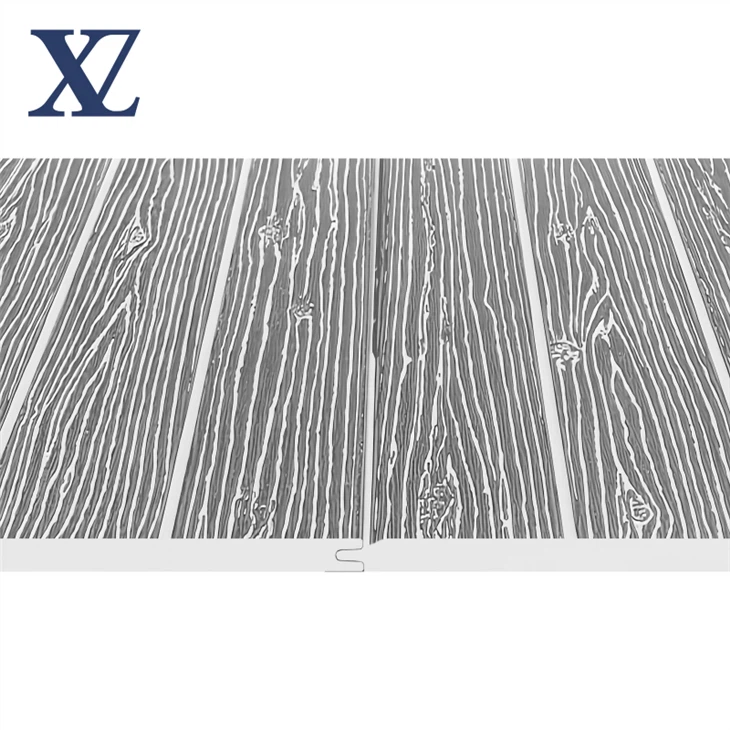
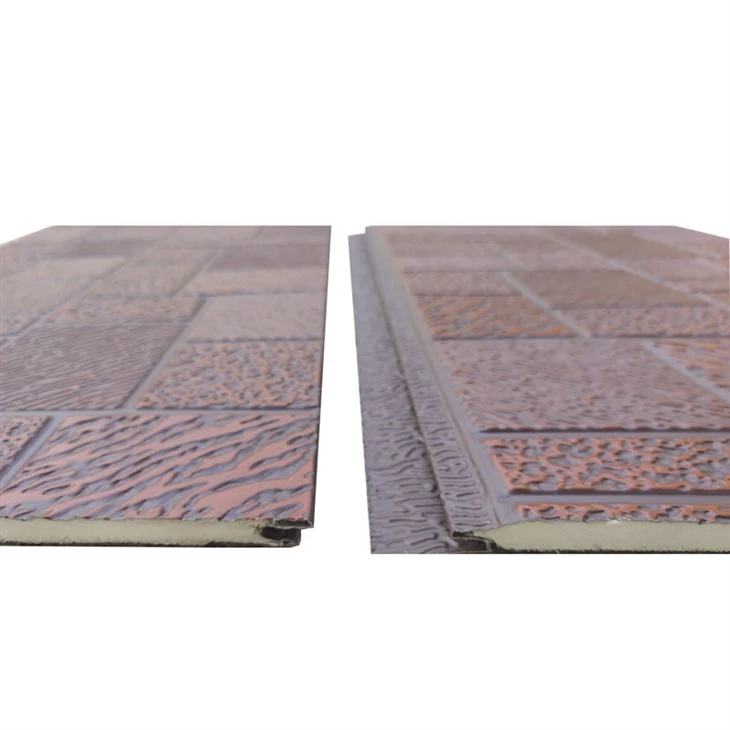
In commercial buildings, such as offices, shopping malls, and hotels, fire safety is of utmost importance. Flame Resistant PU Panels with a high fire - resistance rating can be used for interior and exterior wall cladding, partitions, and ceilings. They help to contain the spread of fire in case of an emergency, providing valuable time for evacuation and firefighting efforts. For example, using Exterior Decorative Sandwich Panels with a good fire - resistance rating can enhance the overall fire safety of the building's exterior while also adding an aesthetic appeal.
Industrial Buildings
Industrial buildings, such as factories and warehouses, often store large quantities of flammable materials. Flame Resistant PU Panels can be used to construct fire - resistant barriers and partitions within the building. This helps to prevent the spread of fire from one area to another, protecting valuable equipment, inventory, and the lives of workers. Our Exterior Insulation Wall Panels can be an excellent choice for industrial buildings, providing both insulation and fire - resistant properties.
Residential Buildings
In residential buildings, the use of Flame Resistant PU Panels can improve the fire safety of homes. They can be used for exterior wall insulation, attic insulation, and even in mobile homes. Mobile Home Sandwich Panels with a suitable fire - resistance rating can enhance the fire protection of mobile homes, which are often more vulnerable to fire hazards due to their construction and layout.
Factors Affecting the Real - World Performance
While the fire - resistance rating provides a good indication of a panel's performance under laboratory conditions, several factors can affect its real - world fire - resistant capabilities.
Installation quality is crucial. A poorly installed panel may have gaps or joints that can allow the passage of flames and hot gases, reducing its overall fire - resistant performance. It is important to ensure that the panels are installed by trained professionals following the manufacturer's instructions.
Environmental conditions can also play a role. High humidity, extreme temperatures, and exposure to chemicals can degrade the fire - retardant properties of the panel over time. Regular maintenance and inspection are necessary to ensure that the panels continue to provide adequate fire protection.
How to Choose the Right Fire - Resistance Rating
When choosing Flame Resistant PU Panels for a construction project, it is essential to consider the specific requirements of the project. Building codes and regulations often specify the minimum fire - resistance rating for different types of buildings and applications. For example, a high - rise building may require panels with a higher fire - resistance rating compared to a single - story residential building.
It is also important to consult with a fire safety engineer or a building professional. They can assess the project's needs and recommend the appropriate fire - resistance rating based on factors such as the building's occupancy, the presence of flammable materials, and the overall fire protection strategy.
Conclusion
The fire - resistance rating of Flame Resistant PU Panels is a critical factor in ensuring the safety of buildings. As a supplier of these panels, we are committed to providing high - quality products with reliable fire - resistant performance. Our panels are designed to meet or exceed industry standards and can be customized to meet the specific needs of different construction projects.
If you are considering using Flame Resistant PU Panels for your next project, we encourage you to contact us for more information. Our team of experts can help you choose the right panels with the appropriate fire - resistance rating and provide guidance on installation and maintenance. Let us work together to create safer and more sustainable buildings.
References
- ASTM International. (2023). ASTM E119 - 22a: Standard Test Methods for Fire Tests of Building Construction and Materials.
- International Organization for Standardization. (2023). ISO 834 - 1: 2019: Fire - resistance tests - Elements of building construction - Part 1: General requirements.