

What is the energy - saving effect of an eps sandwich panel?
Jan 21, 2026
Leave a message
As a supplier of EPS sandwich panels, I am often asked about the energy - saving effect of these remarkable building materials. In this blog, I will delve into the details of how EPS sandwich panels contribute to energy savings, providing you with a comprehensive understanding of their benefits.
Understanding EPS Sandwich Panels
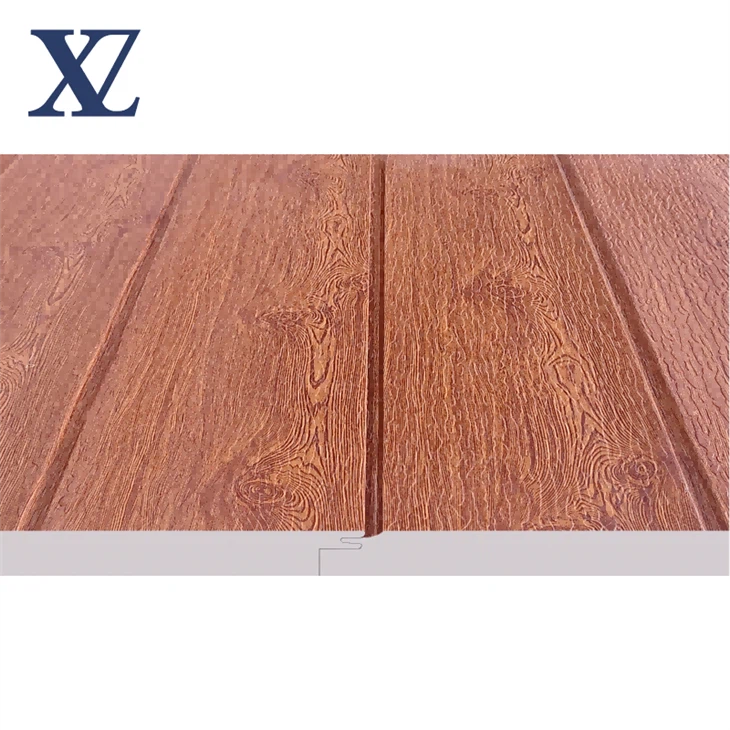
EPS sandwich panels consist of an expanded polystyrene (EPS) core sandwiched between two outer layers, typically made of metal, such as steel or aluminum. The EPS core is a lightweight, rigid foam material that offers excellent insulation properties. The outer layers provide structural strength and protection to the core.
EPS sandwich panels come in various types, including EPS Composite Panels, EPS Foam Sandwich Panel, and EPS Sandwich Wall Panel. Each type is designed to meet different construction requirements, but they all share the common advantage of energy efficiency.
The Energy - Saving Mechanism of EPS Sandwich Panels
Thermal Insulation
One of the primary ways EPS sandwich panels save energy is through their high thermal insulation capabilities. The EPS core has a low thermal conductivity, which means it resists the transfer of heat. In cold weather, it prevents the warm air inside a building from escaping, reducing the need for heating systems to work continuously. Conversely, in hot weather, it blocks the external heat from entering the building, minimizing the reliance on air - conditioning.
The thermal resistance of a material is measured in R - value. EPS has a relatively high R - value compared to many other building materials. A higher R - value indicates better insulation. For example, a well - installed EPS sandwich panel can have an R - value that effectively reduces heat flow, leading to significant energy savings over time.
Air Sealing
EPS sandwich panels are also effective at air sealing. When properly installed, they form a tight seal around the building envelope. This prevents air leakage, which is a major source of energy loss in buildings. Uncontrolled air infiltration can cause drafts, which make the indoor environment uncomfortable and force heating and cooling systems to work harder. By eliminating air leaks, EPS sandwich panels ensure that the conditioned air stays inside the building, optimizing energy use.
Reduced Energy Demand for Construction
The manufacturing process of EPS sandwich panels is relatively energy - efficient compared to some traditional building materials. EPS is made from expandable polystyrene beads, which are expanded using steam. This process consumes less energy than the production of materials like concrete or brick. Additionally, the lightweight nature of EPS sandwich panels reduces transportation energy requirements. Since they are easier to handle and install, less energy is used during the construction phase of a building.
Real - World Energy - Saving Benefits
Commercial Buildings
In commercial buildings, such as warehouses, factories, and offices, energy costs can be a significant expense. EPS sandwich panels can help reduce these costs substantially. For example, in a large warehouse, the use of EPS sandwich panels for the walls and roof can cut heating and cooling costs by up to 30 - 50%. This is because the panels maintain a more stable indoor temperature, reducing the load on HVAC systems.
For offices, the energy - saving properties of EPS sandwich panels contribute to a more comfortable working environment. Employees are less likely to feel too hot or too cold, which can improve productivity. Moreover, the reduced energy consumption aligns with corporate sustainability goals, enhancing the company's environmental image.
Residential Buildings
In residential construction, EPS sandwich panels offer similar energy - saving benefits. Homeowners can enjoy lower energy bills throughout the year. In winter, the panels keep the house warm, reducing the need for high - power heating systems. In summer, they keep the interior cool, allowing for more moderate use of air - conditioning.
The energy - efficient nature of EPS sandwich panels also increases the resale value of a home. Potential buyers are often attracted to properties that offer long - term energy savings, making it a wise investment for homeowners.

Case Studies
Case Study 1: A Factory in the Midwest
A factory in the Midwest of the United States replaced its old, poorly insulated walls with EPS sandwich panels. Before the replacement, the factory's energy bills for heating and cooling were extremely high, especially during the harsh winter and hot summer months. After the installation of EPS sandwich panels, the factory saw an immediate reduction in energy consumption. The heating costs in winter decreased by 40%, and the cooling costs in summer dropped by 35%. The factory also noticed an improvement in the working conditions inside the building, as the temperature was more consistent.
Case Study 2: A Residential Community in Europe
A residential community in Europe was built using EPS sandwich panels for the exterior walls. The developers aimed to create energy - efficient homes that were affordable to maintain. The residents reported significant savings on their energy bills. On average, they saved up to 45% on their annual energy costs compared to similar homes built with traditional materials. The community also received recognition for its sustainable building practices, attracting more potential buyers.
Factors Affecting the Energy - Saving Effect
Panel Thickness
The thickness of the EPS sandwich panel plays a crucial role in its energy - saving performance. Generally, thicker panels have a higher R - value and better insulation properties. However, the choice of panel thickness should be based on the specific climate conditions of the building location. In colder regions, thicker panels may be required to achieve optimal energy savings.
Installation Quality
Proper installation is essential for maximizing the energy - saving effect of EPS sandwich panels. If the panels are not installed correctly, there may be gaps or joints that allow air leakage. Professional installers should ensure that the panels are tightly fitted together and sealed properly. Any damage to the panels during installation should be repaired immediately to maintain their insulation integrity.
Building Design
The overall design of the building also affects the energy - saving potential of EPS sandwich panels. Factors such as the orientation of the building, the size and location of windows, and the ventilation system all interact with the panels' performance. For example, a building with large south - facing windows can take advantage of solar heat gain in winter, while proper ventilation can expel hot air in summer.
Conclusion
In conclusion, EPS sandwich panels offer significant energy - saving benefits in both commercial and residential buildings. Their high thermal insulation, air - sealing properties, and energy - efficient manufacturing and installation processes make them an ideal choice for sustainable construction. Real - world case studies have demonstrated the substantial reduction in energy costs that can be achieved through the use of these panels.
If you are considering using EPS sandwich panels for your next construction project, I encourage you to contact us for more information. We can provide you with detailed product specifications, energy - saving estimates, and professional advice on installation. Let's work together to create energy - efficient buildings that are both cost - effective and environmentally friendly.
References
- "Building Energy Efficiency Handbook" - A comprehensive guide on energy - saving building materials and technologies.
- Research papers on the thermal performance of EPS sandwich panels published in leading construction and energy journals.
- Case study reports from commercial and residential building projects using EPS sandwich panels.