

What is the anti - microbial performance of a corrugated sandwich panel?
Aug 13, 2025
Leave a message
What is the anti - microbial performance of a corrugated sandwich panel?
As a supplier of corrugated sandwich panels, I've witnessed the growing demand for building materials with enhanced functionality, especially in terms of anti - microbial performance. In this blog, I'll delve into the anti - microbial characteristics of corrugated sandwich panels, exploring how they work, their importance, and the factors influencing their effectiveness.
Understanding Corrugated Sandwich Panels
Corrugated sandwich panels are composite structures consisting of two outer facesheets and a corrugated core. These panels are widely used in various industries, including construction, transportation, and packaging, due to their high strength - to - weight ratio, excellent insulation properties, and ease of installation. The outer facesheets can be made of different materials such as metal, fiberglass, or plastic, while the core is typically made of materials like paper, cardboard, or plastic.
Anti - microbial Performance: What Does It Mean?
Anti - microbial performance refers to a material's ability to inhibit the growth of microorganisms such as bacteria, fungi, and viruses. In the context of corrugated sandwich panels, this property is crucial, especially in applications where hygiene is a top priority. For example, in food processing facilities, hospitals, and cleanrooms, panels with anti - microbial properties can help prevent the spread of pathogens and maintain a clean and safe environment.
How Do Corrugated Sandwich Panels Achieve Anti - microbial Performance?
There are several ways in which corrugated sandwich panels can be designed to have anti - microbial properties:
- Anti - microbial Coatings: One of the most common methods is to apply an anti - microbial coating to the outer facesheets of the panel. These coatings contain substances such as silver ions, copper, or zinc oxide, which have natural anti - microbial properties. When microorganisms come into contact with the coated surface, these substances can disrupt the cell membranes of the microbes, preventing their growth and reproduction.
- Incorporation of Anti - microbial Agents in the Core Material: Another approach is to incorporate anti - microbial agents directly into the core material during the manufacturing process. This can provide long - term protection against microbial growth throughout the panel's structure. For example, some plastic cores can be formulated with anti - microbial additives that are released slowly over time to maintain a continuous anti - microbial effect.
- Material Selection: Choosing materials with inherent anti - microbial properties can also contribute to the panel's overall anti - microbial performance. For instance, certain types of fiberglass or plastic materials have been shown to have some degree of resistance to microbial growth. By selecting these materials for the facesheets or core, the panel can offer improved protection against pathogens.
Importance of Anti - microbial Performance in Corrugated Sandwich Panels
The anti - microbial performance of corrugated sandwich panels offers numerous benefits, especially in specific applications:
- Health and Safety: In environments such as hospitals, schools, and food processing plants, the presence of pathogens can pose a significant risk to human health. Panels with anti - microbial properties can help reduce the risk of infections by preventing the growth and spread of harmful microorganisms.
- Longevity of the Panels: Microbial growth can cause degradation of the panel materials over time, leading to reduced structural integrity and aesthetic appeal. Anti - microbial panels can resist this degradation, extending the lifespan of the panels and reducing the need for frequent replacements.
- Compliance with Regulations: Many industries are subject to strict hygiene and safety regulations. Using corrugated sandwich panels with anti - microbial properties can help businesses meet these requirements and avoid potential fines or legal issues.
Factors Influencing Anti - microbial Performance
Several factors can affect the anti - microbial performance of corrugated sandwich panels:
- Environmental Conditions: Temperature, humidity, and the presence of organic matter can all influence the growth of microorganisms. Panels may perform differently under varying environmental conditions. For example, high humidity can create a more favorable environment for microbial growth, so the anti - microbial properties of the panel may need to be more robust in such conditions.
- Contact Time: The longer microorganisms are in contact with the panel surface, the greater the chance of growth. Therefore, the anti - microbial effectiveness of the panel may depend on how quickly it can inhibit the growth of microbes upon contact.
- Type of Microorganisms: Different types of microorganisms have different sensitivities to anti - microbial agents. Some panels may be more effective against certain types of bacteria or fungi than others. It's important to choose panels that are suitable for the specific types of pathogens likely to be present in the application environment.
Applications of Corrugated Sandwich Panels with Anti - microbial Performance
The use of corrugated sandwich panels with anti - microbial performance is widespread across various industries:
- Food Industry: In food processing plants, storage facilities, and transportation vehicles, these panels can help maintain a hygienic environment by preventing the growth of food - spoiling bacteria and pathogens. For example, PU Interior Wall Panel can be used to line the walls and ceilings of cold storage rooms to ensure the safety of stored food products.
- Healthcare Sector: Hospitals, clinics, and laboratories require a high level of hygiene to prevent the spread of infections. Anti - microbial corrugated sandwich panels can be used in patient rooms, operating theaters, and isolation units. Insulated Sandwich Wall Panels with anti - microbial properties can provide both insulation and protection against pathogens.
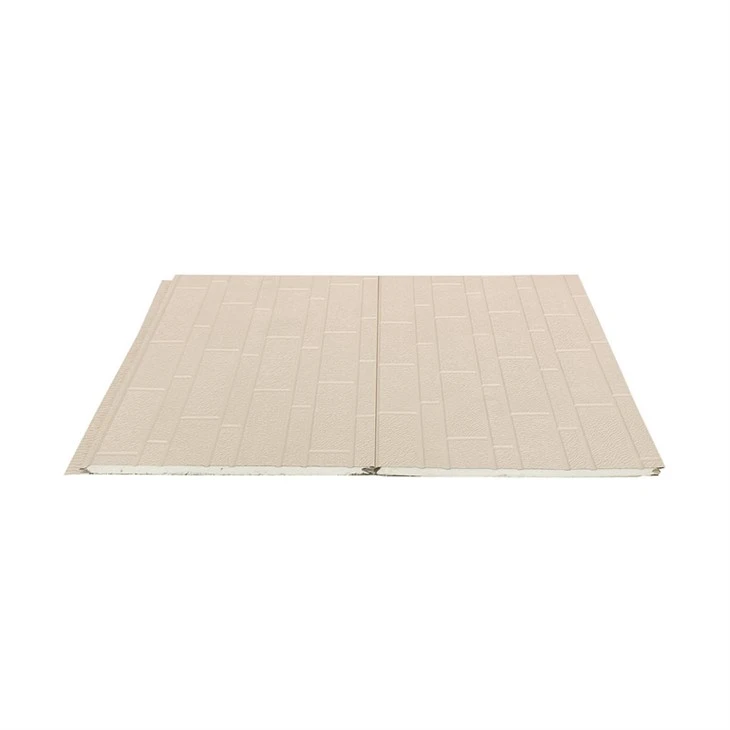
- Commercial Buildings: In office buildings, schools, and shopping malls, these panels can contribute to a healthier indoor environment. They can be used in areas such as restrooms, kitchens, and common areas to reduce the risk of microbial contamination. Decorative PU Sandwich Panel can be used to enhance the aesthetic appeal of these spaces while also providing anti - microbial protection.
Conclusion
The anti - microbial performance of corrugated sandwich panels is a valuable feature that offers numerous benefits in terms of health, safety, and durability. Whether through anti - microbial coatings, incorporation of agents in the core, or material selection, these panels can effectively inhibit the growth of microorganisms. As a supplier, I understand the importance of providing high - quality panels that meet the specific needs of different industries.
If you're interested in learning more about our corrugated sandwich panels with anti - microbial performance or have any specific requirements for your project, I encourage you to contact us for a detailed discussion. We're committed to providing the best solutions to meet your needs and ensure the success of your projects.

References
- “Antimicrobial Coatings for Building Materials: A Review.” Journal of Coatings Technology and Research.
- “Microbial Resistance to Antimicrobial Agents in Building Environments.” Indoor Air Quality Journal.
- “The Role of Sandwich Panels in Hygienic Building Design.” Construction and Building Materials Magazine.