

What is the acoustic performance of thermal wall panels?
Sep 18, 2025
Leave a message
Hey there! As a supplier of thermal wall panels, I often get asked about the acoustic performance of these nifty products. So, I thought I'd take a moment to break it down for you and give you the lowdown on what makes thermal wall panels a great choice when it comes to sound insulation.
First off, let's talk about why acoustic performance matters. Whether you're building a home, an office, or an industrial space, noise can be a real nuisance. It can disrupt your concentration, affect your sleep, and even cause stress and fatigue over time. That's where thermal wall panels come in. They're designed not only to keep your space warm and energy-efficient but also to reduce the amount of noise that passes through the walls.
So, how do thermal wall panels achieve this? Well, it all comes down to their construction. Most thermal wall panels are made up of multiple layers, each with its own specific function. The outer layer is usually made of a durable material like steel or aluminum, which provides protection against the elements. The inner layer is typically made of an insulating material, such as polyurethane foam or fiberglass, which helps to reduce heat transfer and keep your space warm. And in between these two layers, there's often a layer of sound-absorbing material, such as mineral wool or acoustic foam, which helps to reduce noise transmission.
One of the key factors that affects the acoustic performance of thermal wall panels is their density. Generally speaking, the denser the panel, the better it will be at blocking sound. This is because denser materials have more mass, which makes it harder for sound waves to pass through them. For example, a Sound Proof Sandwich Wall Panel with a high-density core will be more effective at reducing noise than a panel with a lower-density core.
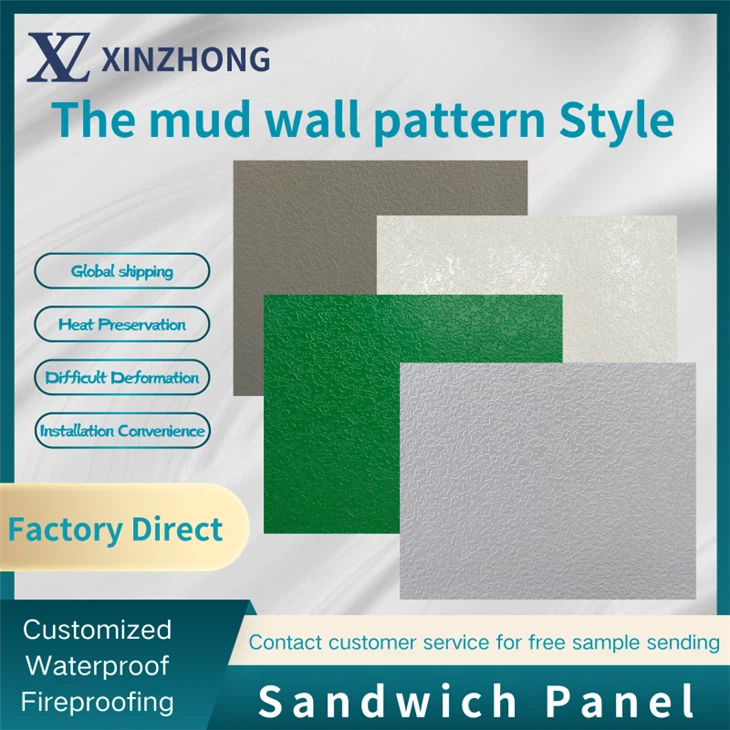
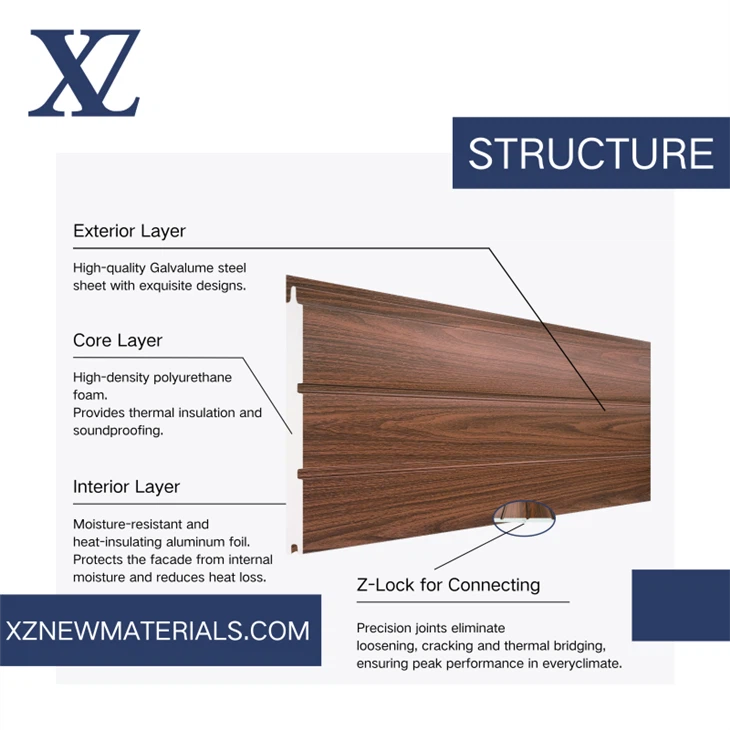
Another important factor is the thickness of the panel. Thicker panels tend to provide better sound insulation than thinner panels, as they have more material to absorb and block sound waves. For instance, a 16mm Insulation Board will typically offer better acoustic performance than a thinner board.
The type of sound-absorbing material used in the panel also plays a crucial role. Different materials have different sound absorption properties, so it's important to choose a panel that uses a material that is effective at absorbing the frequencies of sound that you're trying to block. For example, mineral wool is a popular choice for sound absorption because it's effective at absorbing a wide range of frequencies, including both high and low frequencies.
In addition to their construction, the installation of thermal wall panels can also have an impact on their acoustic performance. Proper installation is essential to ensure that there are no gaps or air leaks in the panels, as these can allow sound to pass through. It's also important to use the right type of sealant and insulation around the edges of the panels to further improve their sound insulation properties.
Now, let's take a look at some of the benefits of using thermal wall panels for acoustic insulation. One of the biggest advantages is that they can significantly reduce noise levels in your space. This can make your home or office more comfortable and peaceful, and can also improve your productivity and quality of life.
Another benefit is that thermal wall panels are energy-efficient. By reducing heat transfer, they can help to lower your energy bills and reduce your carbon footprint. This means that you can enjoy the benefits of sound insulation without having to worry about the environmental impact.
Thermal wall panels are also relatively easy to install. They can be installed on both new and existing buildings, and can be customized to fit your specific needs and requirements. This makes them a versatile and cost-effective solution for acoustic insulation.
If you're in the market for thermal wall panels, it's important to choose a supplier that offers high-quality products and excellent customer service. Look for a supplier that has a good reputation in the industry and that uses the latest technology and materials to manufacture their panels. You should also ask for samples and references to ensure that you're getting the best product for your money.
At our company, we're proud to offer a wide range of thermal wall panels that are designed to provide excellent acoustic performance. Our Insulated Steel Siding Panels are made with high-quality materials and are available in a variety of sizes and colors to suit your needs. We also offer a range of installation services to ensure that your panels are installed correctly and efficiently.
If you're interested in learning more about our thermal wall panels or would like to discuss your acoustic insulation needs, please don't hesitate to contact us. We'd be happy to answer any questions you may have and to provide you with a free quote. Let's work together to create a quieter, more comfortable, and energy-efficient space for you.
References
- Building Acoustics: Noise Control and Sound Design for Architects and Engineers by Cyril M. Harris
- Acoustics: Sound Fields and Transducers by Leo L. Beranek