

What is the acoustic performance of an eps sandwich panel?
Dec 22, 2025
Leave a message
Hey there! As a supplier of EPS sandwich panels, I often get asked about the acoustic performance of these panels. So, I thought I'd take a moment to break it down for you.
What Exactly is an EPS Sandwich Panel?
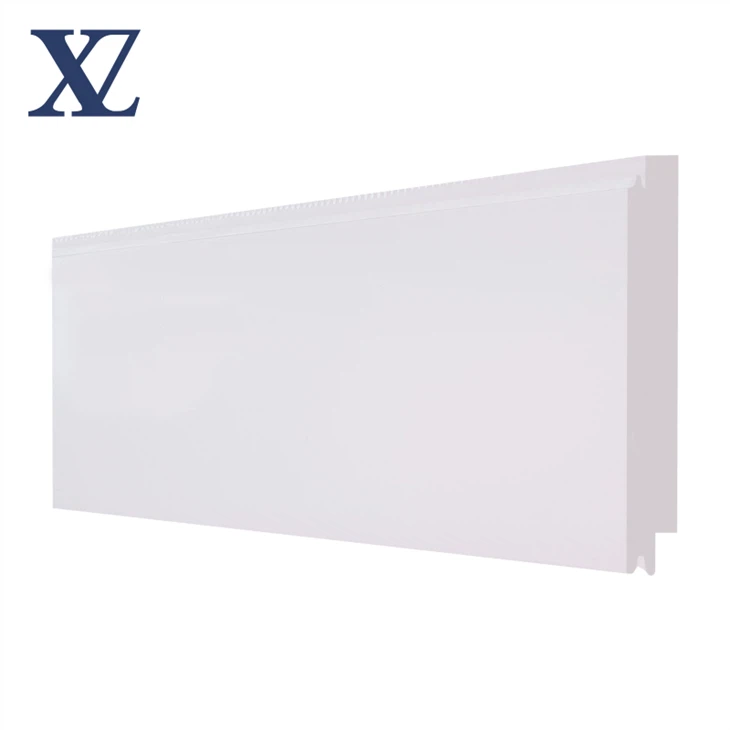
First off, let's quickly go over what an EPS sandwich panel is. EPS stands for Expanded Polystyrene. These panels are made up of an EPS core, which is sandwiched between two outer layers. The outer layers can be made of various materials like steel, aluminum, or fiberglass. They're super popular in construction because they're lightweight, easy to install, and cost - effective. You can check out more about EPS Composite Panels on our website.
The Basics of Acoustic Performance
Acoustic performance refers to how well a material or structure can control sound. There are two main aspects: sound absorption and sound insulation.
Sound absorption is all about reducing the amount of sound that bounces back from a surface. When sound waves hit a surface, some of the energy is absorbed, and some is reflected. A good sound - absorbing material will convert the sound energy into heat energy, thus reducing the overall noise level in a space.
Sound insulation, on the other hand, is about preventing sound from passing through a structure. It's measured by how much sound pressure level is reduced when sound travels from one side of a material to the other.
Acoustic Performance of EPS Sandwich Panels
Sound Absorption
EPS itself has some sound - absorbing properties. The porous structure of expanded polystyrene allows sound waves to enter the material. As the sound waves travel through the small pores, they encounter resistance, which causes the sound energy to be dissipated as heat. However, the sound - absorbing ability of pure EPS is relatively limited.
To improve the sound - absorbing performance of EPS sandwich panels, additional sound - absorbing materials can be added. For example, some manufacturers might incorporate a layer of acoustic felt or mineral wool within the panel. This combination can significantly enhance the panel's ability to absorb sound, making it suitable for applications where noise reduction is crucial, such as recording studios or theaters.
Sound Insulation
When it comes to sound insulation, the thickness and density of the EPS core play a big role. Generally, thicker EPS cores provide better sound insulation. A 50mm EPS Sandwich Panel will offer more sound insulation compared to a thinner panel.
The outer layers of the sandwich panel also contribute to sound insulation. Metal outer layers, like steel or aluminum, can act as a barrier to sound waves. They reflect and absorb some of the sound energy, preventing it from passing through the panel. The combination of the EPS core and the outer layers creates a multi - layer system that can effectively block sound transmission.
Factors Affecting Acoustic Performance
Panel Thickness
As mentioned earlier, panel thickness is a key factor. Thicker panels have more mass and more material to absorb and block sound. If you're looking for high - level sound insulation, opting for a thicker EPS Foam Sandwich Panel is a good idea.

Core Density
The density of the EPS core can also impact acoustic performance. Higher - density EPS cores tend to provide better sound insulation because they have more material to resist the passage of sound waves. However, higher - density cores can also be heavier and more expensive.
Installation Quality
Even the best - designed EPS sandwich panels won't perform well if they're not installed correctly. Gaps or improper seals between panels can allow sound to leak through. It's essential to follow the manufacturer's installation guidelines carefully to ensure optimal acoustic performance.
Applications Based on Acoustic Performance
Industrial Buildings
In industrial settings, EPS sandwich panels can be used to create noise - reducing partitions between different work areas. For example, in a factory where there are noisy machines, installing sound - insulating EPS sandwich panels can help protect workers from excessive noise exposure.
Residential Buildings
In homes, these panels can be used in interior walls or ceilings to reduce noise transfer between rooms. This is especially useful in multi - story buildings or homes located in noisy neighborhoods.
Commercial Spaces
For commercial spaces like offices or hotels, EPS sandwich panels can be used to create a quiet and comfortable environment. They can be installed in meeting rooms, guest rooms, or common areas to enhance the overall acoustic quality.
How Our EPS Sandwich Panels Stand Out
At our company, we understand the importance of acoustic performance. We use high - quality EPS cores with optimized density and thickness to ensure excellent sound absorption and insulation. Our installation teams are well - trained to ensure that every panel is installed perfectly, minimizing any potential sound leaks.
We also offer a range of customization options. If you need a panel with specific acoustic requirements, we can work with you to add additional sound - absorbing materials or adjust the panel design to meet your needs.
Wrapping Up and Reaching Out
So, there you have it - a detailed look at the acoustic performance of EPS sandwich panels. Whether you're building an industrial facility, a residential home, or a commercial space, understanding the acoustic properties of these panels can help you make an informed decision.
If you're interested in learning more about our EPS sandwich panels or would like to discuss your specific project requirements, don't hesitate to reach out. We're here to help you find the perfect solution for your acoustic needs. We look forward to chatting with you and working together on your next project!
References
- Building Acoustics: Principles and Practice, by Cyril M. Harris
- Handbook of Noise and Vibration Control, by Malcolm J. Crocker