

What are the installation details for EPS foam sandwich panel in a pre - fabricated house?
Oct 17, 2025
Leave a message
EPS foam sandwich panels have gained significant popularity in the construction of pre - fabricated houses due to their excellent insulation properties, lightweight nature, and cost - effectiveness. As a reliable EPS Foam Sandwich Panel supplier, I am here to share in - depth installation details for these panels in a pre - fabricated house.
1. Site Preparation
Before the installation of EPS foam sandwich panels begins, thorough site preparation is crucial. First, the foundation of the pre - fabricated house must be leveled. Any unevenness in the foundation can lead to misalignment of the panels during installation and may compromise the structural integrity of the entire building. Use a laser level to ensure that the foundation surface has a deviation of no more than a few millimeters across the entire area.

Next, clean the foundation surface of any debris, dust, or loose materials. These impurities can prevent the panels from adhering properly to the foundation, which may result in gaps and reduce the overall insulation and stability of the house. A power broom or compressed air can be used for effective cleaning.
2. Panel Selection
Selecting the right EPS foam sandwich panels is essential for a successful installation. The thickness of the panels plays a vital role in determining the insulation performance of the pre - fabricated house. For areas with mild climates, 50mm EPS Sandwich Panel may be sufficient. These panels offer a good balance between insulation and cost. However, in regions with extreme cold or hot weather, 70mm EPS Sandwich Panel are recommended as they provide enhanced insulation.
In addition to thickness, consider the panel's fire - resistance rating, strength, and surface finish. EPS Composite Panels are a popular choice as they often combine the advantages of EPS foam with other materials to improve performance in multiple aspects.
3. Wall Installation
3.1 Panel Positioning
Start by marking the position of the first panel on the foundation according to the pre - designed layout. Use chalk lines to ensure straight and accurate placement. Place the first panel vertically on the foundation, making sure it is plumb. A spirit level can be used to check the vertical alignment. Once the first panel is in place, secure it temporarily with clamps or brackets to prevent it from moving during the installation of subsequent panels.
3.2 Panel Connection
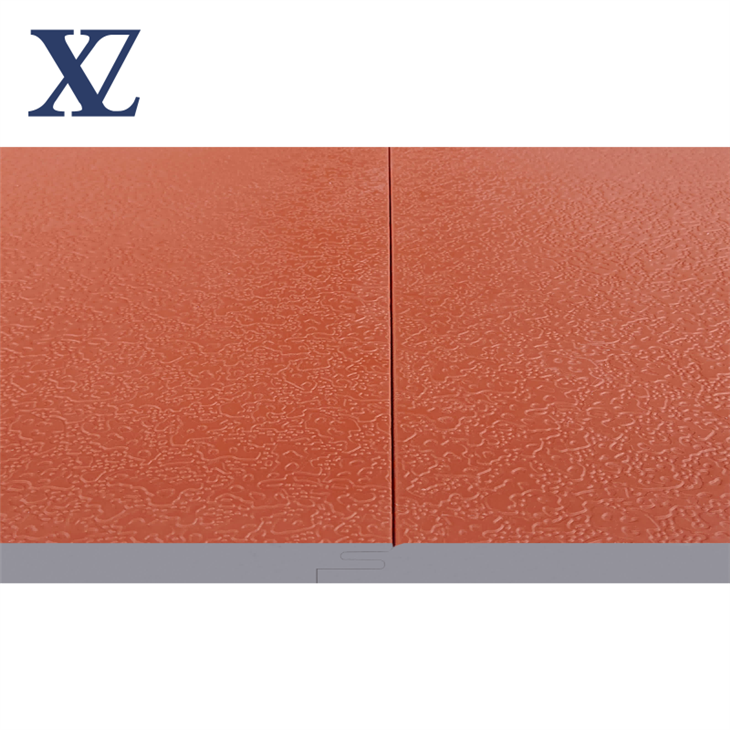
When connecting adjacent panels, use the appropriate interlocking system provided by the panel manufacturer. Most EPS foam sandwich panels have a tongue - and - groove or snap - lock design. Insert the tongue of one panel into the groove of the adjacent panel and apply gentle pressure to ensure a tight fit. In some cases, a sealant may be applied along the joint to enhance the airtightness and waterproofing of the wall.
3.3 Reinforcement
For taller walls or areas subject to high wind loads, additional reinforcement may be required. This can be achieved by installing metal studs or frames at regular intervals within the wall structure. These reinforcements help to distribute the loads evenly and prevent the panels from buckling or deforming.
4. Roof Installation
4.1 Structural Support
Before installing the roof panels, ensure that the roof structure provides adequate support. The roof trusses or beams should be properly spaced and securely attached to the wall panels. Check the load - bearing capacity of the roof structure to ensure it can withstand the weight of the EPS foam sandwich panels, as well as any additional loads such as snow or wind.
4.2 Panel Placement
Begin the roof panel installation from one end of the roof. Place the first panel on the roof structure, aligning it with the edges of the roof. Secure the panel to the roof structure using screws or bolts. Make sure the screws are long enough to penetrate through the panel and into the underlying structure. As you install subsequent panels, overlap them slightly to prevent water leakage.
4.3 Sealing
To prevent water infiltration, apply a high - quality sealant around the edges of the roof panels and at all joints. Pay special attention to the areas where the roof meets the walls, as these are common areas for water to enter. Additionally, install flashing at the roof ridges, eaves, and valleys to further enhance the waterproofing of the roof.
5. Door and Window Installation
5.1 Opening Preparation
Mark the positions of the doors and windows on the wall panels according to the architectural design. Use a saw to cut out the openings carefully, making sure the dimensions are accurate. After cutting, clean the edges of the openings to remove any debris or rough edges.
5.2 Frame Installation
Install the door and window frames into the openings. Use shims to level and plumb the frames, and then secure them to the wall panels with screws or nails. Make sure the frames are tightly sealed to prevent air and water leakage. Apply a sealant around the perimeter of the frames.
5.3 Panel Integration
After the frames are installed, install the EPS foam sandwich panels around the doors and windows. Cut the panels to fit the remaining spaces and connect them to the existing wall panels using the interlocking system. Ensure a seamless integration to maintain the insulation and aesthetic appearance of the house.
6. Quality Inspection
Once the installation of all the EPS foam sandwich panels is complete, conduct a thorough quality inspection. Check the alignment of the panels, the tightness of the joints, and the integrity of the seals. Look for any signs of damage, such as cracks or dents, on the panels. Use a thermal imaging camera to detect any areas of heat loss, which may indicate poor insulation or improper installation.
7. Final Touches
After the quality inspection, perform any necessary touch - up work. This may include filling small holes or gaps with a suitable filler, painting the panels if required, and installing any finishing materials such as trim or molding. These final touches not only enhance the aesthetic appeal of the pre - fabricated house but also protect the panels from environmental factors.
Contact for Procurement
If you are interested in purchasing high - quality EPS foam sandwich panels for your pre - fabricated house project, we are here to assist you. Our company offers a wide range of EPS foam sandwich panels with different specifications to meet your specific needs. Whether you need 50mm EPS Sandwich Panel, 70mm EPS Sandwich Panel, or EPS Composite Panels, we have the right solution for you. Contact us to discuss your project requirements and get a competitive quote.
References
- "Building Construction Handbook" by Edward Allen and Joseph Iano
- "Insulation Materials and Systems" by various authors, published by the American Society of Heating, Refrigerating and Air - Conditioning Engineers (ASHRAE)