

How to reinforce an eps sandwich panel structure?
Dec 15, 2025
Leave a message
EPS sandwich panels are widely used in various construction projects due to their lightweight, excellent insulation properties, and cost - effectiveness. As a supplier of EPS sandwich panels, I understand the importance of ensuring the structural integrity of these panels to meet the diverse needs of our clients. In this blog, I will share some effective ways to reinforce an EPS sandwich panel structure.
Understanding EPS Sandwich Panels
Before delving into the reinforcement methods, it's essential to have a clear understanding of EPS sandwich panels. EPS, or expanded polystyrene, is a rigid foam plastic material that serves as the core of the sandwich panel. The core is sandwiched between two outer layers, which are typically made of metal, such as steel or aluminum, or other materials like fiberglass.
EPS sandwich panels offer several advantages, including high thermal insulation, good soundproofing, and ease of installation. They are commonly used in industrial buildings, cold storage facilities, residential homes, and modular buildings. However, in some cases, additional reinforcement may be required to enhance their load - bearing capacity, resistance to external forces, and overall durability.
Reinforcement Methods
1. Edge Reinforcement
One of the simplest and most effective ways to reinforce an EPS sandwich panel is through edge reinforcement. The edges of the panel are often the weakest points, as they are more susceptible to damage during handling, installation, and use. By adding edge protection, we can significantly improve the panel's structural integrity.
- Metal Edge Profiles: Installing metal edge profiles along the perimeter of the panel can provide additional strength and protection. These profiles are typically made of steel or aluminum and can be attached to the panel using adhesives or mechanical fasteners. Metal edge profiles not only reinforce the edges but also prevent the EPS core from being exposed to the elements, reducing the risk of damage from moisture and physical impacts.
- Fiber - Reinforced Polymer (FRP) Edging: FRP edging is another option for edge reinforcement. FRP materials are lightweight, strong, and corrosion - resistant. They can be custom - fabricated to fit the dimensions of the panel and provide excellent protection against wear and tear. FRP edging can be bonded to the panel using epoxy adhesives, creating a seamless and durable edge.
2. Internal Reinforcement
In addition to edge reinforcement, internal reinforcement can also enhance the structural performance of EPS sandwich panels. Internal reinforcement methods can increase the panel's load - bearing capacity and resistance to bending and shear forces.
- Steel Mesh Insertion: Inserting a steel mesh into the EPS core during the manufacturing process can significantly improve the panel's strength. The steel mesh provides a framework that distributes the load evenly across the panel, reducing the risk of local deformation. The size and density of the steel mesh can be adjusted according to the specific requirements of the application.
- Fiber Reinforcement: Adding fibers, such as glass fibers or carbon fibers, to the EPS core can also enhance its mechanical properties. Fibers can improve the panel's tensile strength, flexural strength, and impact resistance. The fibers can be mixed with the EPS beads before the foaming process or applied as a layer within the core.
3. Connection Reinforcement
Proper connection between EPS sandwich panels is crucial for the overall structural stability of a building. Reinforcing the connections can prevent panel separation and improve the load - transfer efficiency between panels.
- Mechanical Fasteners: Using high - quality mechanical fasteners, such as screws, bolts, or clips, can ensure a secure connection between panels. These fasteners should be designed to withstand the expected loads and environmental conditions. For example, in high - wind areas, it may be necessary to use stronger and more corrosion - resistant fasteners.
- Adhesive Bonding: Adhesive bonding can also be used to connect EPS sandwich panels. Epoxy adhesives are commonly used for this purpose, as they provide a strong and durable bond. Adhesive bonding can distribute the load more evenly across the joint, reducing stress concentrations and improving the panel's overall performance. However, proper surface preparation and curing conditions are essential for achieving a reliable adhesive bond.
4. Structural Framing
Integrating the EPS sandwich panels into a structural framing system can further enhance their structural performance. The framing system provides additional support and stability, allowing the panels to withstand higher loads.

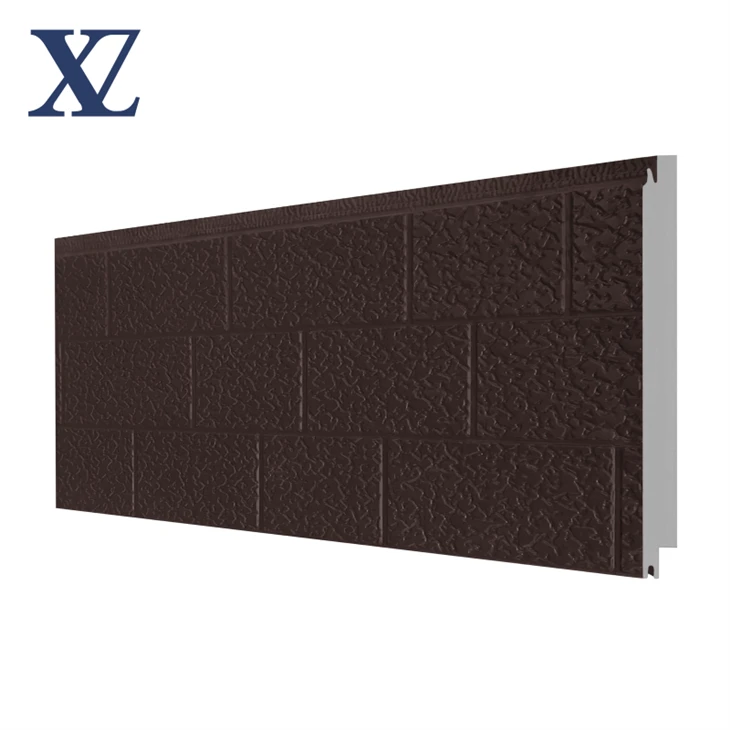
- Steel Framing: Steel framing is a popular choice for supporting EPS sandwich panels. Steel frames are strong, rigid, and can be easily fabricated to fit the specific dimensions of the building. The panels can be attached to the steel frame using mechanical fasteners or adhesives, creating a composite structure that combines the advantages of both materials.
- Wood Framing: In some cases, wood framing can also be used to support EPS sandwich panels. Wood is a renewable and cost - effective material that provides good insulation properties. However, wood framing requires proper treatment to prevent decay and insect damage. The panels can be attached to the wood frame using nails or screws, and additional bracing may be required to ensure the stability of the structure.
Considerations for Reinforcement
When reinforcing EPS sandwich panels, several factors need to be considered to ensure the effectiveness and cost - efficiency of the reinforcement measures.
- Load Requirements: The reinforcement method should be selected based on the expected loads on the panel. For example, panels used in industrial buildings or high - rise structures may require more extensive reinforcement than those used in residential applications.
- Environmental Conditions: The environmental conditions in which the panel will be used also play a crucial role in the selection of reinforcement materials. In areas with high humidity or corrosive environments, corrosion - resistant materials should be used to prevent premature failure of the reinforcement.
- Cost - Benefit Analysis: Reinforcement measures should be evaluated based on their cost - benefit ratio. While more extensive reinforcement may provide better performance, it may also increase the cost of the panel significantly. Therefore, a balance needs to be struck between the desired level of reinforcement and the cost of implementation.
Conclusion
Reinforcing EPS sandwich panels is essential for ensuring their structural integrity and long - term performance. By using a combination of edge reinforcement, internal reinforcement, connection reinforcement, and structural framing, we can significantly improve the panel's strength, durability, and resistance to external forces. As a supplier of EPS Composite Panels, we are committed to providing high - quality panels that meet the diverse needs of our clients. Our 50mm EPS Sandwich Panel and EPS Foam Sandwich Panel products are available with various reinforcement options to ensure optimal performance in different applications.
If you are interested in our EPS sandwich panel products or have any questions about panel reinforcement, please feel free to contact us. We will be happy to assist you in selecting the right panel and reinforcement solution for your project.
References
- "Handbook of Sandwich Structures" by Vinson, J. R.
- "Structural Design of Sandwich Panels" by Zenkert, D.
- Industry standards and guidelines for EPS sandwich panel manufacturing and installation.