

How to improve the insulation performance of EPS foam sandwich panel?
Aug 11, 2025
Leave a message
As a supplier of EPS Foam Sandwich Panels, I've witnessed firsthand the growing demand for these panels in various construction projects. One of the most critical aspects that customers often inquire about is how to improve the insulation performance of EPS foam sandwich panels. In this blog, I'll share some practical strategies and insights based on my experience in the industry.

Understanding the Basics of EPS Foam Sandwich Panels
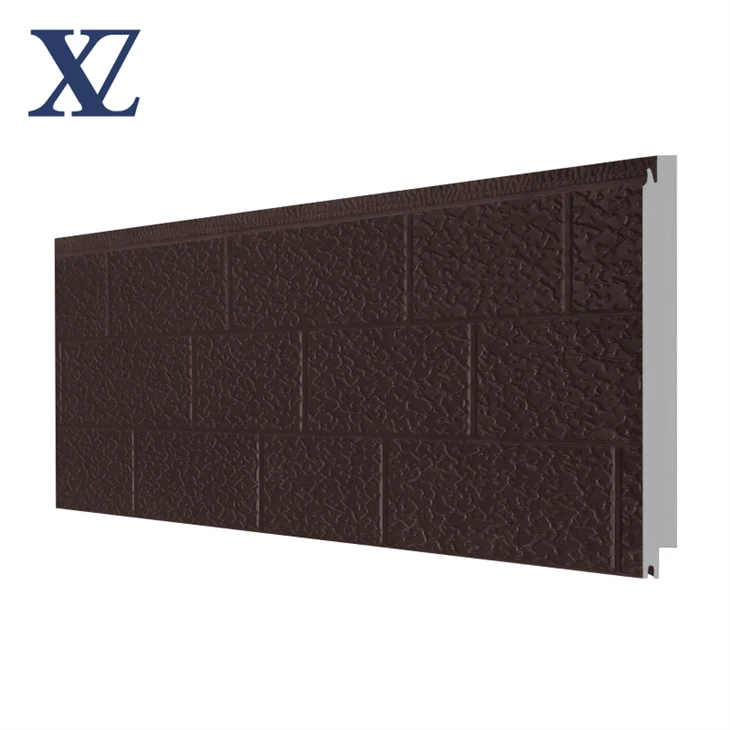
Before delving into the ways to enhance insulation performance, it's essential to understand what EPS foam sandwich panels are. EPS, or expanded polystyrene, is a lightweight and rigid plastic foam material. EPS foam sandwich panels consist of an EPS core sandwiched between two outer layers, typically made of metal, such as steel or aluminum. These panels are widely used in building construction for walls, roofs, and partitions due to their excellent thermal insulation, fire resistance, and structural strength.
The insulation performance of EPS foam sandwich panels is primarily determined by the thermal conductivity of the EPS core. Thermal conductivity, measured in watts per meter-kelvin (W/m·K), indicates how well a material conducts heat. The lower the thermal conductivity, the better the insulation. EPS has a relatively low thermal conductivity, typically ranging from 0.033 to 0.041 W/m·K, which makes it an effective insulating material.
Factors Affecting Insulation Performance
Several factors can influence the insulation performance of EPS foam sandwich panels. Understanding these factors is crucial for implementing effective improvement strategies.
- Thickness of the EPS Core: The thickness of the EPS core is directly proportional to the insulation performance. A thicker EPS core provides better insulation because it increases the distance that heat must travel through the panel. For example, a 70mm EPS Sandwich Panel generally offers better insulation than a thinner panel.
- Density of the EPS Core: The density of the EPS core also affects insulation performance. Higher-density EPS has a lower thermal conductivity, which means it can provide better insulation. However, increasing the density also increases the weight and cost of the panel. Therefore, it's essential to find the right balance between density and insulation performance.
- Quality of the Outer Layers: The outer layers of the panel can also impact insulation performance. Metal outer layers, such as steel or aluminum, have a high thermal conductivity, which means they can conduct heat. To reduce heat transfer through the outer layers, it's important to use high-quality materials with low thermal conductivity or apply insulation coatings.
- Installation Quality: Proper installation is crucial for ensuring the insulation performance of EPS foam sandwich panels. Gaps, cracks, or improper sealing between panels can allow heat to escape, reducing the overall insulation effectiveness. Therefore, it's important to follow the manufacturer's installation instructions carefully and use high-quality sealing materials.
Strategies to Improve Insulation Performance
Based on the factors mentioned above, here are some strategies that can be used to improve the insulation performance of EPS foam sandwich panels.
Increase the Thickness of the EPS Core
As mentioned earlier, increasing the thickness of the EPS core is one of the most effective ways to improve insulation performance. When selecting EPS foam sandwich panels, consider choosing panels with a thicker EPS core. However, keep in mind that thicker panels may be heavier and more expensive, so it's important to balance the insulation benefits with the cost and structural requirements of the project.
Optimize the Density of the EPS Core
Finding the right density for the EPS core is crucial for achieving the best insulation performance. Higher-density EPS generally provides better insulation, but it also increases the weight and cost of the panel. Work with your supplier to determine the optimal density for your specific application. They can provide guidance based on the project requirements, climate conditions, and budget.
Use High-Quality Outer Layers
The outer layers of the panel play an important role in reducing heat transfer. To improve insulation performance, consider using high-quality outer layers with low thermal conductivity. For example, some manufacturers offer panels with insulated metal skins or coatings that can significantly reduce heat transfer through the outer layers.
Improve Installation Quality
Proper installation is essential for ensuring the insulation performance of EPS foam sandwich panels. Here are some tips to improve installation quality:
- Seal Gaps and Cracks: Use high-quality sealing materials to seal any gaps or cracks between panels. This will prevent heat from escaping and improve the overall insulation effectiveness.
- Properly Align Panels: Ensure that the panels are properly aligned during installation to minimize heat transfer through the joints.
- Follow Manufacturer's Instructions: Always follow the manufacturer's installation instructions carefully to ensure that the panels are installed correctly.
Add Additional Insulation
In some cases, adding additional insulation to the EPS foam sandwich panels can further improve insulation performance. For example, you can apply insulation blankets or spray foam insulation to the interior or exterior of the panels. However, it's important to ensure that the additional insulation is compatible with the EPS foam and does not compromise the structural integrity of the panels.
Case Studies
To illustrate the effectiveness of these strategies, let's look at some case studies.
- Case Study 1: Commercial Building in a Cold Climate
A commercial building in a cold climate was experiencing high energy costs due to poor insulation. The building was originally constructed with 50mm EPS foam sandwich panels. To improve insulation performance, the building owner decided to replace the existing panels with 70mm EPS Sandwich Panels. After the replacement, the building's energy consumption decreased by 30%, resulting in significant cost savings. - Case Study 2: Residential Building in a Hot Climate
A residential building in a hot climate was struggling to keep the interior cool. The building was constructed with standard EPS foam sandwich panels with metal outer layers. To improve insulation performance, the homeowner decided to apply an insulation coating to the outer layers of the panels. After the coating was applied, the interior temperature of the building decreased by 5 degrees Celsius, making the living environment more comfortable.
Conclusion
Improving the insulation performance of EPS foam sandwich panels is essential for reducing energy consumption, lowering costs, and creating a more comfortable living or working environment. By understanding the factors that affect insulation performance and implementing the strategies mentioned in this blog, you can significantly enhance the insulation effectiveness of your EPS foam sandwich panels.
As a supplier of EPS Foam Sandwich Panels, we are committed to providing high-quality products and professional advice to help you achieve the best insulation performance for your projects. If you have any questions or need further information about our EPS Composite Panels or EPS Sandwich Wall Panel, please don't hesitate to contact us. We look forward to discussing your project requirements and helping you find the right solutions.
References
- ASHRAE Handbook - Fundamentals. American Society of Heating, Refrigerating and Air-Conditioning Engineers.
- Building Science Corporation. "Insulation Basics."
- EPS Industry Alliance. "Expanded Polystyrene (EPS) Insulation."