

How to choose the right Flame Resistant PU Panels for my project?
Nov 24, 2025
Leave a message
Selecting the appropriate flame-resistant PU (Polyurethane) panels for your project is a crucial decision that can significantly impact the safety, efficiency, and overall success of your construction or industrial endeavor. As a trusted supplier of flame-resistant PU panels, I understand the complexities involved in this selection process. In this blog, I will guide you through the key factors to consider when choosing the right flame-resistant PU panels for your specific project.
Understanding Flame-Resistant PU Panels
Before delving into the selection process, it's essential to understand what flame-resistant PU panels are and how they work. Polyurethane is a versatile polymer known for its excellent insulation properties, durability, and strength. When enhanced with flame-resistant additives, PU panels can resist the spread of fire, reduce smoke generation, and provide a barrier against heat transfer.
Flame-resistant PU panels are commonly used in various applications, including commercial and industrial buildings, cold storage facilities, clean rooms, and transportation vehicles. They offer superior fire protection compared to traditional building materials, making them an ideal choice for projects where fire safety is a top priority.
Factors to Consider When Choosing Flame-Resistant PU Panels
1. Fire Rating
The fire rating of a flame-resistant PU panel is one of the most critical factors to consider. Fire ratings are determined through standardized tests that measure a panel's ability to resist fire, limit the spread of flames, and maintain its structural integrity under fire conditions. The most common fire rating systems include UL (Underwriters Laboratories) and ASTM (American Society for Testing and Materials).
When selecting flame-resistant PU panels, look for panels with a high fire rating that meets or exceeds the requirements of your project. For example, if your project is in a high-risk area or requires compliance with strict fire safety codes, you may need panels with a Class A fire rating, which indicates excellent fire resistance.
2. Insulation Properties
In addition to fire resistance, the insulation properties of flame-resistant PU panels are also important. Polyurethane is known for its high thermal insulation value, which can help reduce energy consumption and lower heating and cooling costs. When choosing panels, consider the R-value, which measures the panel's resistance to heat flow. The higher the R-value, the better the insulation performance.
The insulation requirements of your project will depend on various factors, such as the climate, the type of building, and the intended use of the space. For example, if you are building a cold storage facility, you will need panels with a high R-value to maintain a consistent temperature and prevent heat transfer.
3. Panel Thickness and Density
The thickness and density of flame-resistant PU panels can also affect their performance. Thicker panels generally provide better insulation and fire resistance, but they may also be heavier and more expensive. The density of the panel refers to the amount of material per unit volume, and it can impact the panel's strength, durability, and insulation properties.
When selecting panels, consider the specific requirements of your project and choose a thickness and density that balance performance, cost, and installation requirements. For example, if you are working on a project with limited space or weight restrictions, you may need to choose thinner, lighter panels.
4. Surface Finish
The surface finish of flame-resistant PU panels can affect their appearance, durability, and resistance to environmental factors. Common surface finishes include metal, plastic, and fiberglass. Metal finishes, such as Aluminium Insulated Sandwich Panels, are popular for their strength, durability, and aesthetic appeal. Plastic finishes are lightweight, easy to clean, and resistant to corrosion, while fiberglass finishes offer excellent fire resistance and mechanical properties.
When choosing a surface finish, consider the intended use of the panels, the environmental conditions, and the aesthetic requirements of your project. For example, if you are building a commercial building, you may want to choose a metal finish for its professional appearance and durability.
5. Installation Requirements
The installation requirements of flame-resistant PU panels can vary depending on the type of panel, the application, and the building structure. Some panels are designed for easy installation, while others may require specialized tools and techniques. When selecting panels, consider the installation process and ensure that you have the necessary skills, equipment, and resources to install the panels correctly.
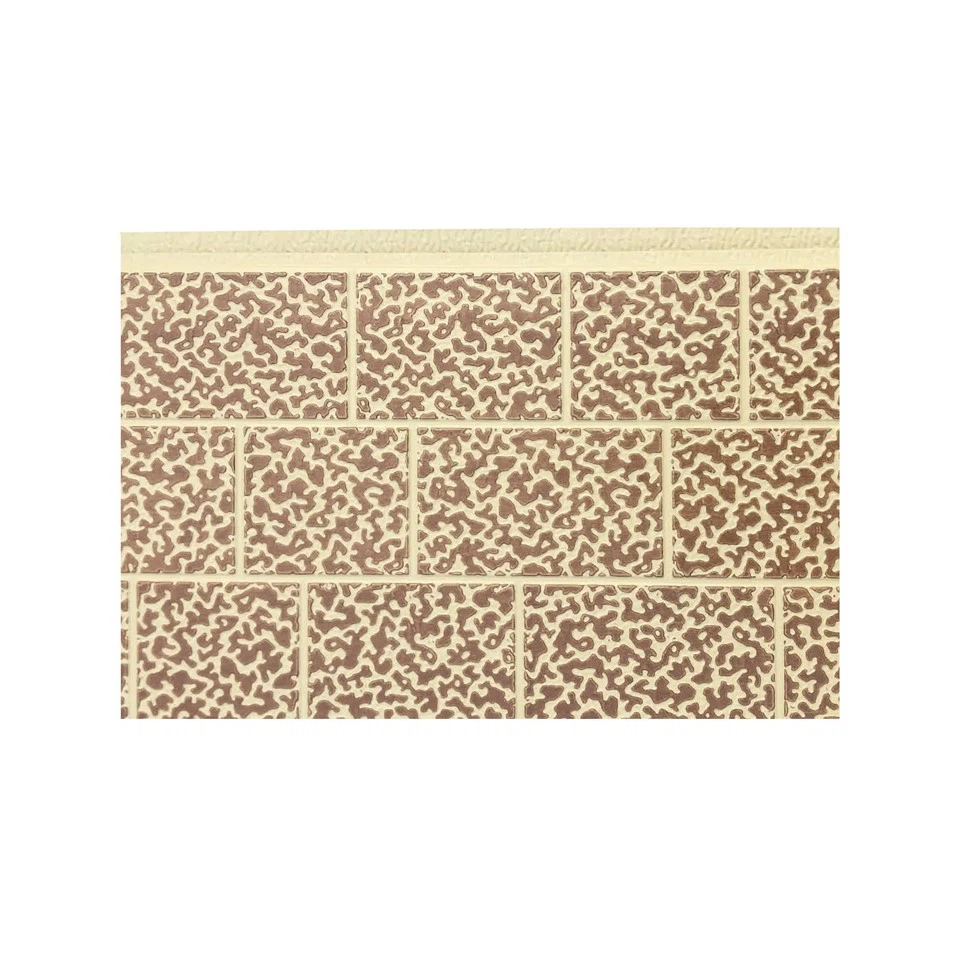

In addition, consider the compatibility of the panels with other building materials and systems. For example, if you are using the panels in a wall assembly, make sure they are compatible with the framing, insulation, and cladding materials.
6. Cost
Cost is always a consideration when choosing building materials, and flame-resistant PU panels are no exception. The cost of the panels will depend on various factors, such as the fire rating, insulation properties, thickness, density, surface finish, and installation requirements. When comparing prices, make sure to consider the long-term value and benefits of the panels, such as energy savings, fire protection, and durability.
It's also important to get quotes from multiple suppliers to ensure that you are getting the best price for the quality of the panels. However, be wary of choosing the cheapest option, as it may not meet your project requirements or provide the level of performance and safety you need.
7. Manufacturer Reputation and Support
Finally, consider the reputation and support of the manufacturer when choosing flame-resistant PU panels. A reputable manufacturer will have a proven track record of producing high-quality panels that meet or exceed industry standards. They will also provide excellent customer support, including technical assistance, installation guidance, and warranty coverage.
Before making a purchase, research the manufacturer's reputation by reading customer reviews, checking their certifications and accreditations, and contacting them directly to ask questions. A reliable manufacturer will be happy to provide you with detailed information about their products and services.
Applications of Flame-Resistant PU Panels
Flame-resistant PU panels are suitable for a wide range of applications, including:
- Commercial and Industrial Buildings: Flame-resistant PU panels can be used in the construction of commercial and industrial buildings, such as offices, warehouses, factories, and shopping centers. They provide excellent fire protection, insulation, and durability, making them an ideal choice for these types of projects.
- Cold Storage Facilities: Cold storage facilities require panels with high insulation properties to maintain a consistent temperature and prevent heat transfer. Flame-resistant PU panels are an excellent choice for these applications, as they offer superior insulation and fire resistance.
- Clean Rooms: Clean rooms are used in industries such as pharmaceuticals, electronics, and food processing, where strict environmental control is required. Flame-resistant PU panels can help maintain a clean and sterile environment by preventing the spread of fire and reducing the generation of smoke and contaminants.
- Transportation Vehicles: Flame-resistant PU panels can be used in the construction of transportation vehicles, such as trucks, trailers, and trains. They provide excellent fire protection and insulation, making them an ideal choice for these applications.
Conclusion
Choosing the right flame-resistant PU panels for your project is a critical decision that requires careful consideration of various factors, such as fire rating, insulation properties, panel thickness and density, surface finish, installation requirements, cost, and manufacturer reputation. By taking the time to evaluate these factors and select the panels that best meet your project requirements, you can ensure the safety, efficiency, and success of your construction or industrial endeavor.
If you have any questions or need further assistance in choosing the right flame-resistant PU panels for your project, please do not hesitate to contact us. Our team of experts is here to help you make the best decision for your specific needs. We look forward to working with you on your next project.
References
- ASTM International. (2023). Standard Test Methods for Fire Tests of Building Construction and Materials.
- Underwriters Laboratories. (2023). UL Fire Resistance Directory.
- Polyurethane Manufacturers Association. (2023). Polyurethane Insulation: A Guide to Understanding and Using Polyurethane Foam Insulation.