

Do Flame Resistant PU Panels have a high - reflectivity surface?
Dec 29, 2025
Leave a message
In the construction and insulation industry, the demand for high - performance materials is ever - increasing. Flame resistant PU (Polyurethane) panels have emerged as a popular choice due to their excellent insulation properties and fire - retardant characteristics. One question that often arises is whether these panels have a high - reflectivity surface. As a leading supplier of flame resistant PU panels, I'd like to delve into this topic to provide you with comprehensive insights.
Understanding Flame Resistant PU Panels
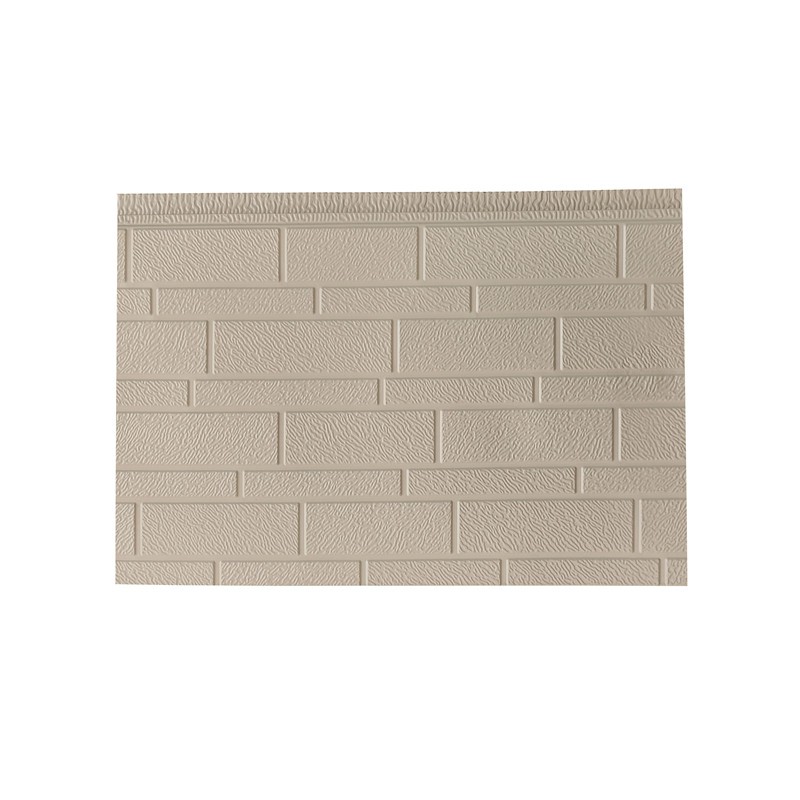
Flame resistant PU panels are constructed by sandwiching a core of polyurethane foam between two outer layers. These panels are commonly used in applications such as Insulated Sandwich Wall Panels, Outside Wall Insulation Panels, and Polyurethane Sandwich Panels. They offer thermal insulation, structural integrity, and fire protection, which makes them suitable for a wide range of buildings, including industrial facilities, cold storage units, and residential homes.
The outer layers of flame resistant PU panels can be made from various materials such as steel, aluminum, or composite materials. The choice of the outer layer material significantly affects the surface properties of the panels, including reflectivity.
Factors Influencing Surface Reflectivity
-
Material of the Outer Layer
- Steel: Steel is a commonly used material for the outer layer of flame resistant PU panels. Steel surfaces can have different finishes, such as galvanized, painted, or galvannealed. A galvanized steel surface has a relatively high reflectivity because of the zinc coating. Zinc has a bright and shiny appearance, which reflects a significant amount of light. In contrast, painted steel surfaces can have a wide range of reflectivities depending on the type and color of the paint. Light - colored paints generally have higher reflectivity than dark - colored paints. For example, a white - painted steel outer layer on a PU panel will reflect more sunlight than a black - painted one.
- Aluminum: Aluminum is another option for the outer layer. Aluminum has a natural oxide layer that gives it a relatively high reflectivity, especially in the visible and near - infrared spectrum. It can reflect a large portion of the solar radiation, which is beneficial for reducing heat absorption in buildings. Additionally, aluminum can be anodized to further enhance its surface properties, including reflectivity. Anodized aluminum can have a more uniform and durable reflective surface.
- Composite Materials: Composite outer layers are often designed to provide a combination of properties such as strength, durability, and aesthetics. The reflectivity of composite materials can vary widely depending on their composition. Some composite materials may incorporate reflective additives or have a microscopic structure that enhances reflectivity. However, others may have lower reflectivity if they are designed for other functions such as high - strength or anti - corrosion.
-
Surface Finish and Texture
- A smooth surface finish generally has higher reflectivity than a rough surface. When light hits a smooth surface, it reflects in a more organized manner, following the law of reflection. This means that a larger proportion of the incident light is reflected back into the environment. In contrast, a rough surface scatters the light in multiple directions, reducing the overall reflectivity. For flame resistant PU panels, manufacturers may use techniques such as polishing or electro - coating to achieve a smooth surface finish and enhance reflectivity.
- The texture of the surface can also play a role. Some textured surfaces are designed to have specific optical properties. For example, a micro - structured surface may be engineered to reflect light in a particular way, such as directing sunlight away from the building or evenly distributing reflected light.
Benefits of High - Reflectivity Surfaces
- Energy Efficiency
- High - reflectivity surfaces on flame resistant PU panels can significantly improve the energy efficiency of buildings. When panels reflect a large portion of the solar radiation, less heat is absorbed into the building interior. This reduces the need for air - conditioning during hot weather, resulting in lower energy consumption and cost savings. In regions with high solar insolation, the use of high - reflectivity panels can lead to substantial energy savings over the life of the building.
- Thermal Comfort
- By reducing heat gain from sunlight, high - reflectivity surfaces help maintain a more comfortable indoor temperature. This is especially important in industrial and commercial buildings where large areas of the exterior are covered with panels. In addition, it can also improve the thermal comfort of residential buildings, reducing the reliance on mechanical cooling systems and creating a more sustainable living environment.
- Extended Panel Lifespan
- High - reflectivity surfaces can also contribute to the longevity of the flame resistant PU panels. When panels absorb less heat, they are less likely to experience thermal expansion and contraction, which can cause stress and damage to the panel structure over time. By reflecting sunlight, the panels can operate at a lower temperature, reducing the risk of material degradation and extending their service life.
Availability of High - Reflectivity Flame Resistant PU Panels
As a supplier of flame resistant PU panels, we understand the importance of high - reflectivity surfaces for our customers. We offer a range of panels with different outer layer materials and finishes to meet various requirements. Our steel - faced panels are available in different paint colors, including high - reflectivity white and light - colored options. Our aluminum - faced panels provide inherent high reflectivity due to the nature of aluminum and can be further enhanced through anodizing processes.
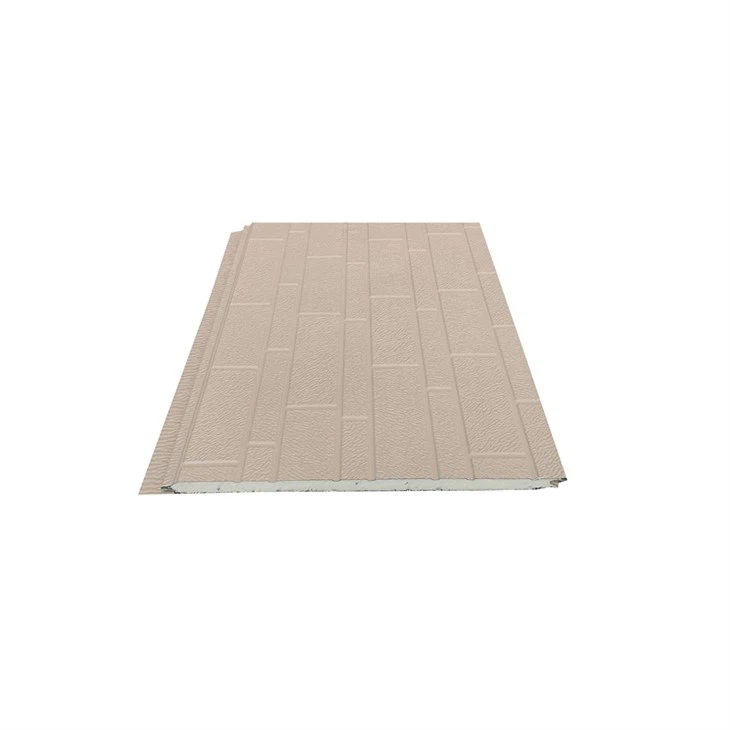
We also work closely with our customers to develop customized solutions. If you have specific reflectivity requirements for your project, our technical team can provide guidance on the selection of materials and surface finishes to achieve the desired results. Whether you are building an industrial warehouse, a cold storage facility, or a residential home, our high - quality flame resistant PU panels with appropriate reflectivity can help you achieve your goals in terms of energy efficiency, thermal performance, and durability.
Contact Us for Procurement and Consultation
If you are interested in our flame resistant PU panels and would like to learn more about their surface reflectivity and other properties, feel free to contact us. We are more than happy to provide detailed product information, technical specifications, and samples for your evaluation. Whether you are an architect, contractor, or building owner, our experienced sales team can assist you in making the right choice for your project. Don't hesitate to reach out and start the conversation about how our flame resistant PU panels can meet your needs.
References
- "Thermal and Optical Properties of Building Envelope Materials and Products", ASHRAE Handbook - Fundamentals.
- "Polyurethane Foams: Science and Technology", edited by D. Klempner and K.C. Frisch.
- "Corrosion and Protection of Metals in Construction", by P. Schütze and M. Stratmann.