

Do fireproof insulation panels have a good adhesion to other surfaces?
Aug 18, 2025
Leave a message
As a supplier of Fireproof Insulation Panels, I often encounter inquiries from customers regarding the adhesion of these panels to other surfaces. Adhesion is a critical factor in the installation and performance of insulation panels, as it directly affects the panel's ability to stay in place, provide effective insulation, and resist environmental stresses. In this blog post, I will delve into the topic of whether fireproof insulation panels have good adhesion to other surfaces, exploring the factors that influence adhesion, the testing methods used to evaluate it, and real - world applications.
Factors Affecting Adhesion
Surface Preparation
The condition of the surface to which the fireproof insulation panel is applied plays a crucial role in adhesion. A clean, dry, and smooth surface is ideal for achieving strong adhesion. Any dirt, grease, or loose particles on the surface can act as a barrier between the panel and the substrate, reducing the bond strength. For example, if a panel is installed on a wall that has not been properly cleaned, the adhesive may not be able to form a secure connection, leading to potential delamination over time.
Adhesive Type
The choice of adhesive is another significant factor. Different types of adhesives have varying properties in terms of strength, flexibility, and chemical resistance. For fireproof insulation panels, an adhesive that can withstand high temperatures and has good bonding characteristics is essential. Some adhesives are specifically formulated for use with insulation materials, providing a strong and durable bond. For instance, polyurethane - based adhesives are often used due to their excellent adhesion to a variety of substrates and their ability to maintain performance under different environmental conditions.
Panel Material
The material composition of the fireproof insulation panel itself also impacts adhesion. Panels made from different materials, such as mineral wool, fiberglass, or PU Interior Wall Panel, may have different surface characteristics that affect how well they bond to other surfaces. For example, panels with a more porous surface may allow the adhesive to penetrate more deeply, resulting in a stronger bond, while smooth - surfaced panels may require a different type of adhesive or surface treatment to achieve good adhesion.
Environmental Conditions
Environmental factors such as temperature, humidity, and air pressure can influence adhesion. High humidity can cause the adhesive to cure more slowly or may even affect its chemical properties, reducing the bond strength. Extreme temperatures can also have a negative impact; very cold temperatures can make the adhesive brittle, while high temperatures can cause it to soften or degrade. Therefore, it is important to install fireproof insulation panels under suitable environmental conditions to ensure optimal adhesion.
Testing Methods for Adhesion
Pull - off Testing
Pull - off testing is a common method used to measure the adhesion strength of fireproof insulation panels. In this test, a circular dolly is attached to the panel surface using an adhesive. A pulling force is then applied perpendicular to the panel surface until the panel detaches from the substrate. The force required to pull the panel off is recorded, and this value is used to evaluate the adhesion strength. This method provides a quantitative measure of how well the panel is bonded to the surface and can be used to compare different panel - substrate combinations or adhesive types.
Shear Testing
Shear testing involves applying a force parallel to the panel - substrate interface. This test is useful for simulating real - world situations where the panel may be subjected to lateral forces, such as wind or seismic loads. By measuring the shear strength, we can determine the panel's ability to resist these forces without delaminating from the substrate. Shear testing can also help identify any weaknesses in the adhesive bond or the panel - substrate interaction.
Real - World Applications
In the construction industry, fireproof insulation panels are widely used for both interior and exterior applications. For interior walls, Lightweight Insulated Wall Panels are often installed to improve energy efficiency and provide fire protection. Good adhesion is crucial in these applications to ensure that the panels remain securely in place and do not pose a safety hazard. For example, in commercial buildings, where strict fire safety regulations are in place, proper adhesion of fireproof insulation panels can prevent the spread of fire and smoke, protecting occupants and property.
On the exterior of buildings, fireproof insulation panels are used in combination with Colored Corrugated Metal Siding to provide both insulation and an aesthetically pleasing finish. The panels need to adhere well to the metal siding to withstand weathering, including wind, rain, and temperature fluctuations. A strong adhesive bond ensures that the panels do not peel or separate from the siding, maintaining the integrity of the building envelope.
Conclusion
In general, fireproof insulation panels can have good adhesion to other surfaces when the right factors are considered. Proper surface preparation, the selection of an appropriate adhesive, the characteristics of the panel material, and favorable environmental conditions all contribute to achieving strong and durable adhesion. Through reliable testing methods such as pull - off and shear testing, we can ensure that the panels meet the required adhesion standards for different applications.

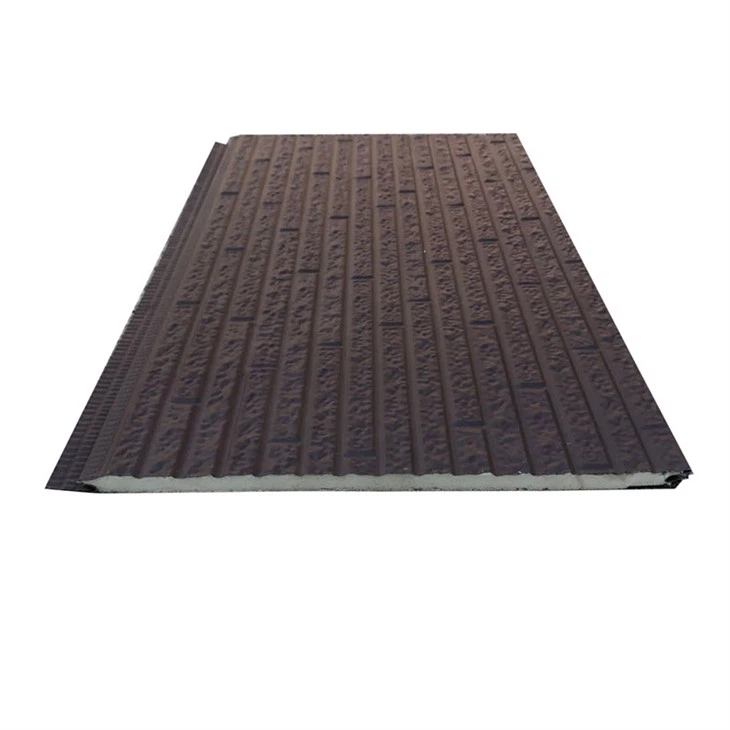
If you are in the market for high - quality fireproof insulation panels with excellent adhesion properties, we are here to help. Our team of experts can provide you with detailed information about our products, assist you in choosing the right panel and adhesive combination for your specific project, and offer professional installation advice. Whether you are working on a small residential building or a large commercial complex, we have the solutions to meet your needs. Contact us today to start a conversation about your fireproof insulation requirements and explore the possibilities of our products in your next project.
References
- ASTM International. (20XX). Standard Test Methods for Pull - Off Strength of Coatings Using Portable Adhesion Testers. ASTM D4541.
- ISO. (20XX). Adhesives - Determination of Tensile Lap - Shear Strength of Rigid - to - Rigid Bonded Assemblies. ISO 4587.
- Building Research Establishment. (20XX). Guide to the Selection and Use of Insulation Materials. BRE Digest.