

Do colored stone roof tiles fade over time?
Jul 16, 2025
Leave a message
As a supplier of colored stone roof tiles, one question I'm frequently asked is, "Do colored stone roof tiles fade over time?" It's a valid concern for homeowners and contractors alike, as the aesthetic appeal of a roof is an important factor in the overall look of a building. In this blog post, I'll delve into the factors that can cause colored stone roof tiles to fade and share some insights on how to maintain their vibrant colors for years to come.
Understanding the Composition of Colored Stone Roof Tiles
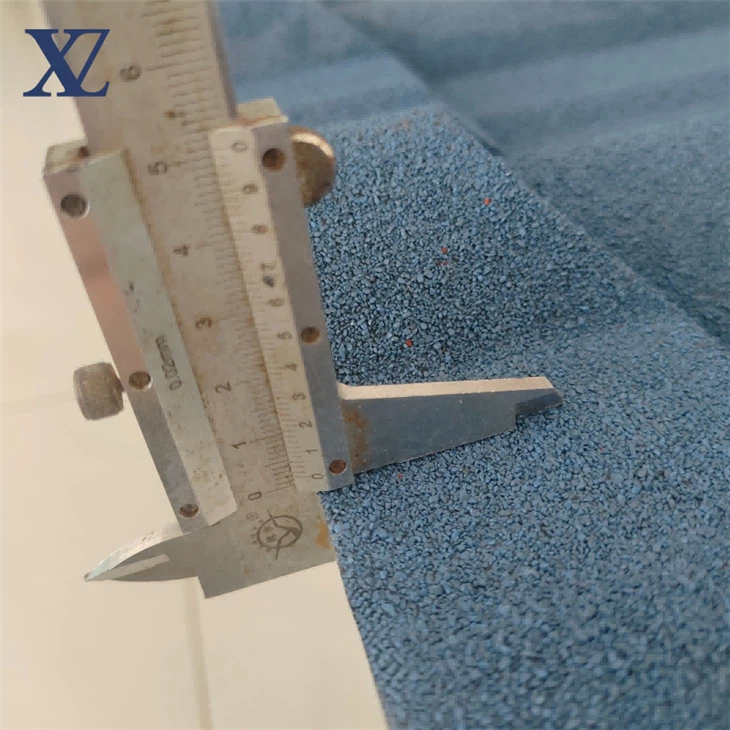
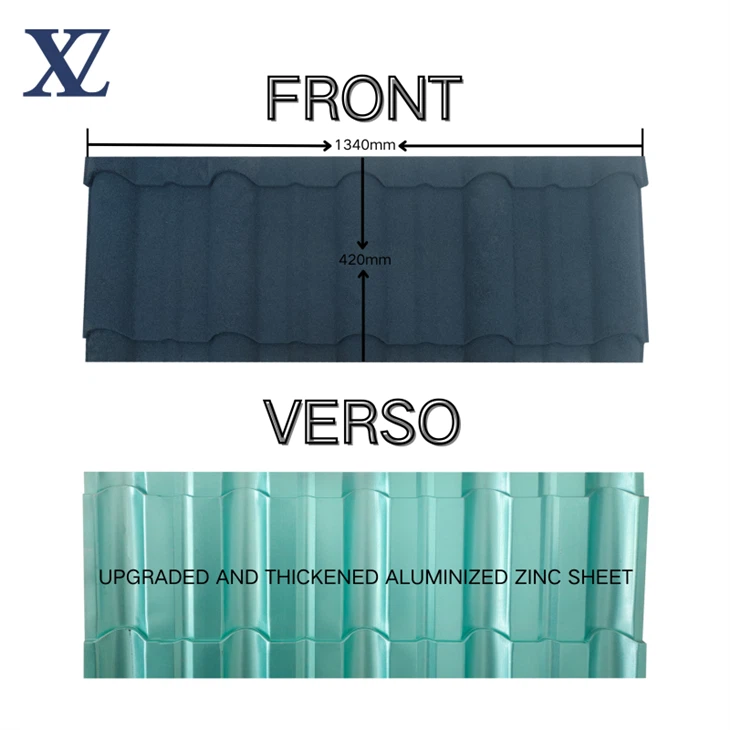
Before we discuss the fading issue, it's essential to understand what colored stone roof tiles are made of. These tiles are typically composed of a base material, such as concrete or clay, which is then coated with a layer of crushed stone. The crushed stone is what gives the tiles their color and texture. The stones are often selected for their durability and colorfastness, but various external factors can still affect their appearance over time.
Factors That Can Cause Fading
UV Radiation
One of the primary culprits behind color fading in colored stone roof tiles is ultraviolet (UV) radiation from the sun. UV rays can break down the chemical bonds in the pigments used to color the stones, causing them to lose their vibrancy. Over time, this can result in a noticeable fading of the tile's color. The intensity and duration of sun exposure play a significant role in how quickly fading occurs. Roofs that face south or west, for example, are more likely to experience faster fading due to increased sun exposure.
Weather Conditions
Extreme weather conditions can also contribute to the fading of colored stone roof tiles. Heavy rainfall, hail, and snow can physically wear down the surface of the tiles, exposing the underlying base material and causing the color to fade. Additionally, freeze-thaw cycles can cause the stones to expand and contract, leading to cracking and chipping, which can further accelerate the fading process.
Pollution and Chemical Exposure
Pollution and chemical exposure can also have a negative impact on the color of colored stone roof tiles. Airborne pollutants, such as sulfur dioxide and nitrogen oxides, can react with the pigments in the stones, causing them to fade. Similarly, exposure to chemicals, such as chlorine from swimming pools or cleaning agents, can also cause discoloration and fading.
How to Minimize Fading
While it's impossible to completely prevent colored stone roof tiles from fading, there are several steps you can take to minimize the effects of fading and keep your roof looking its best for longer.
Choose High-Quality Tiles
The quality of the colored stone roof tiles you choose plays a crucial role in how well they resist fading. Look for tiles that are made from high-quality materials and have been tested for colorfastness. Reputable manufacturers often use advanced pigmentation techniques and UV-resistant coatings to ensure that their tiles maintain their color for an extended period.
Apply a Protective Coating
Applying a protective coating to your colored stone roof tiles can help to shield them from UV radiation, weather conditions, and pollution. There are several types of protective coatings available on the market, including clear sealants and colored coatings. Clear sealants are a popular choice as they allow the natural color and texture of the tiles to shine through while providing an extra layer of protection.
Regular Maintenance
Regular maintenance is essential for keeping your colored stone roof tiles in good condition and minimizing fading. This includes cleaning the tiles periodically to remove dirt, debris, and pollutants. Use a soft brush or a low-pressure hose to avoid damaging the tiles. Additionally, inspect your roof regularly for any signs of damage, such as cracks or chips, and repair them promptly to prevent further fading.
Provide Shade
Providing shade for your roof can help to reduce the amount of sun exposure and minimize fading. This can be achieved by planting trees or installing awnings or pergolas. However, it's important to ensure that the shade does not cause moisture to accumulate on the roof, as this can lead to other problems, such as mold and mildew growth.
Examples of Our Colored Stone Roof Tiles
At our company, we offer a wide range of colored stone roof tiles in various colors and styles to suit different architectural designs and personal preferences. Here are some examples of our popular colored stone roof tiles:
- Sky Blue Stone Roof Tile: This tile features a beautiful sky blue color that adds a touch of elegance and charm to any roof.
- Charcoal Stone Roof Tile: The charcoal color of this tile provides a sleek and modern look, making it a popular choice for contemporary homes.
- Arctic Blue Stone Roof Tile: With its cool arctic blue color, this tile is perfect for creating a refreshing and inviting atmosphere on your roof.
Conclusion
In conclusion, while colored stone roof tiles can fade over time due to various factors, such as UV radiation, weather conditions, pollution, and chemical exposure, there are steps you can take to minimize the effects of fading and keep your roof looking its best for longer. By choosing high-quality tiles, applying a protective coating, performing regular maintenance, and providing shade, you can ensure that your colored stone roof tiles maintain their vibrant colors for many years to come.
If you're interested in learning more about our colored stone roof tiles or would like to discuss your roofing needs, please don't hesitate to contact us. We'd be happy to provide you with more information and help you find the perfect roofing solution for your project.
References
- "Roofing Materials: How to Choose the Right One for Your Home." HomeAdvisor.
- "The Effects of UV Radiation on Building Materials." National Renewable Energy Laboratory.
- "Weathering of Building Stone: A Review." Journal of Cultural Heritage.