

Do black stone roof tiles require regular inspections?
Jul 16, 2025
Leave a message
As a supplier of Black Stone Roof Tiles, I've encountered numerous inquiries from clients about the necessity of regular inspections for these tiles. This blog aims to delve into this topic, offering insights based on industry knowledge and practical experience.
Understanding Black Stone Roof Tiles
Black Stone Roof Tiles are renowned for their durability, aesthetic appeal, and resistance to various environmental factors. They are crafted from high - quality stone materials, which give them a distinct look and long - lasting performance. These tiles are a popular choice for both residential and commercial buildings due to their ability to enhance the overall appearance of a structure while providing reliable protection.
One of the key advantages of black stone roof tiles is their robustness. They can withstand harsh weather conditions such as heavy rain, strong winds, and even hail. However, this does not mean that they are immune to damage. Over time, external factors can take a toll on the tiles, making regular inspections a prudent measure.
Reasons for Regular Inspections
Weather - Related Damage
Weather is one of the most significant factors that can affect the integrity of black stone roof tiles. In areas with extreme weather conditions, such as frequent storms or heavy snowfall, the tiles may experience physical stress. For example, heavy snow can put excessive weight on the roof, causing some tiles to crack or shift. High - velocity winds can also dislodge tiles, leaving the roof vulnerable to water infiltration.
During summer, intense sunlight and heat can cause the tiles to expand. If the expansion is not properly accommodated, it can lead to cracks in the tiles. Similarly, in winter, freezing temperatures can cause water trapped in the pores of the tiles to freeze and expand, further damaging the tiles. Regular inspections can help identify these early signs of weather - related damage and prevent more extensive problems.
Aging and Wear
Like any building material, black stone roof tiles age over time. The natural wear and tear can gradually degrade the tiles' performance. The surface of the tiles may start to erode, reducing their water - repellent properties. As the tiles age, the joints between them may also loosen, allowing water to seep through. Regular inspections can detect these signs of aging and wear, enabling timely repairs or replacements.
Biological Growth
Biological growth, such as moss, algae, and lichen, can pose a threat to black stone roof tiles. These organisms can grow on the surface of the tiles, especially in damp and shaded areas. Moss, for example, can retain moisture, which can accelerate the deterioration of the tiles. Algae and lichen can also discolor the tiles, affecting their aesthetic appeal. Regular inspections can spot the early growth of these organisms, and appropriate measures can be taken to remove them before they cause significant damage.
The Inspection Process
Visual Inspection
The first step in inspecting black stone roof tiles is a visual inspection. This can be done from the ground using binoculars or by safely accessing the roof. Look for any obvious signs of damage, such as cracked, broken, or missing tiles. Check the joints between the tiles to ensure they are intact. Also, look for any signs of water stains on the ceiling inside the building, which may indicate a leak in the roof.
Physical Examination
In addition to visual inspection, a physical examination of the tiles may be necessary. This involves gently tapping the tiles to check for any hollow sounds, which could indicate that the tile is loose or damaged beneath the surface. You can also check the edges of the tiles for any signs of chipping or flaking.

Checking the Underlayment
The underlayment beneath the black stone roof tiles is also an important part of the roof system. During the inspection, check the underlayment for any signs of damage, such as tears or water stains. A damaged underlayment can compromise the waterproofing of the roof, even if the tiles themselves are in good condition.
Benefits of Regular Inspections
Cost - Savings
Regular inspections can save you money in the long run. By identifying and addressing minor issues early, you can prevent them from turning into major problems that require expensive repairs or a complete roof replacement. For example, replacing a single cracked tile is much less costly than dealing with water damage to the interior of the building caused by a leaky roof.
Extended Lifespan
Proper maintenance through regular inspections can significantly extend the lifespan of black stone roof tiles. By promptly addressing any issues, you can ensure that the tiles continue to perform optimally for many years. This means that you won't have to replace the roof as frequently, saving you both time and money.
Safety
A well - maintained roof is a safe roof. Regular inspections can help identify any structural issues that may pose a safety risk, such as loose or unstable tiles. By addressing these issues, you can ensure the safety of the occupants of the building.
Our Product Range
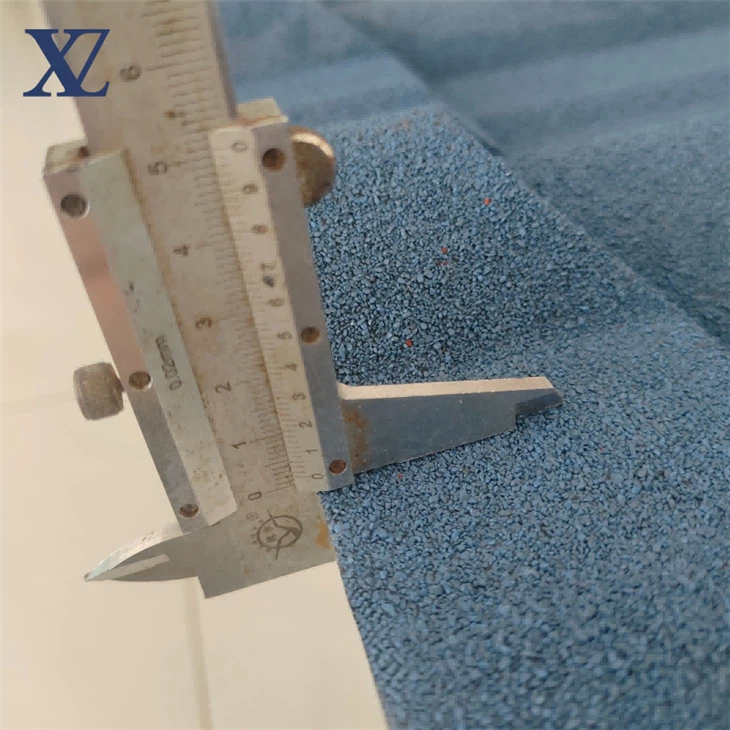
As a supplier of black stone roof tiles, we offer a wide range of options to meet different customer needs. In addition to our classic black stone roof tiles, we also provide Charcoal Stone Roof Tile, Forest Green Stone Roof Tile, and Sky Blue Stone Roof Tile. These colored stone roof tiles not only offer the same durability as our black stone tiles but also add a unique aesthetic touch to your building.
Conclusion
In conclusion, regular inspections of black stone roof tiles are highly recommended. They are essential for maintaining the integrity, performance, and aesthetic appeal of the roof. By conducting regular inspections, you can identify and address any issues early, saving you money, extending the lifespan of the roof, and ensuring the safety of the building.
If you are interested in our black stone roof tiles or any of our other products, we invite you to contact us for procurement and further discussions. We are committed to providing high - quality products and excellent customer service.
References
- Building Research Establishment. (20XX). Guide to Roof Maintenance.
- National Roofing Contractors Association. (20XX). Roofing Best Practices.
- Stone Roof Tile Manufacturers Association. (20XX). Technical Manual for Stone Roof Tiles.