

Can EPS Sandwich Wall Panel be used in residential buildings?
Jul 04, 2025
Leave a message
EPS sandwich wall panels have emerged as a popular choice in the construction industry due to their numerous advantages. As a supplier of EPS sandwich wall panels, I often receive inquiries about whether these panels can be used in residential buildings. In this blog post, I will delve into the feasibility, benefits, and considerations of using EPS sandwich wall panels in residential construction.
Feasibility of Using EPS Sandwich Wall Panels in Residential Buildings
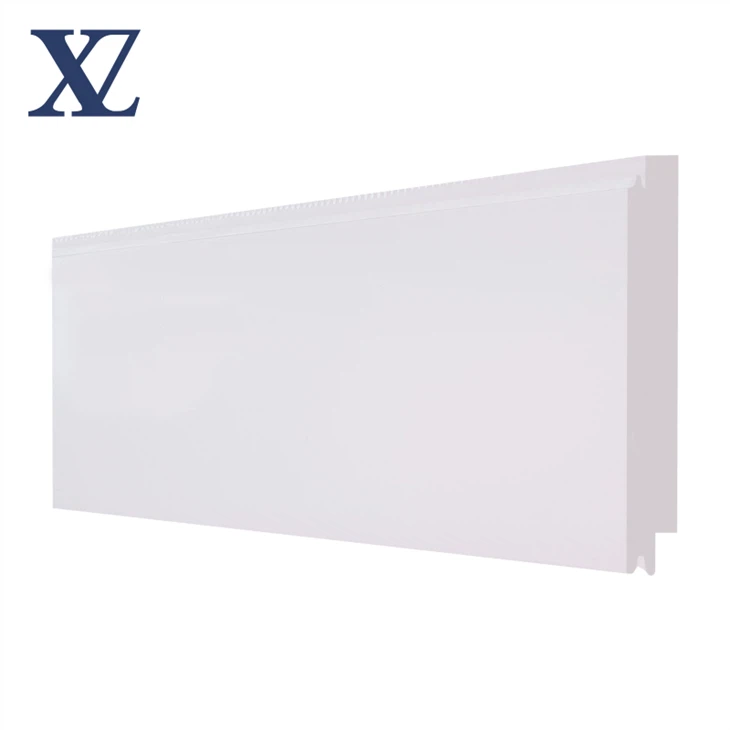
EPS, or expanded polystyrene, is a lightweight and insulating material commonly used in the core of sandwich panels. These panels consist of two outer layers, typically made of metal, concrete, or fiberglass, and an EPS core in between. The combination of the outer layers and the EPS core provides the panel with strength, durability, and excellent insulation properties.
In residential construction, EPS sandwich wall panels can be used for both exterior and interior walls. For exterior walls, these panels can provide a high level of thermal insulation, reducing energy consumption and heating costs. They can also protect against the elements, such as wind, rain, and snow, ensuring a comfortable and dry living environment.
Interior walls made of EPS sandwich panels can offer acoustic insulation, reducing noise transmission between rooms. They are also lightweight, which can simplify the construction process and reduce the load on the building's foundation.
Benefits of Using EPS Sandwich Wall Panels in Residential Buildings
Energy Efficiency
One of the primary benefits of using EPS sandwich wall panels in residential buildings is their excellent energy efficiency. The EPS core has a low thermal conductivity, which means it can effectively reduce heat transfer through the walls. This results in a more stable indoor temperature, reducing the need for heating and cooling systems and ultimately lowering energy bills.
For example, a well-insulated home with EPS sandwich wall panels can maintain a comfortable temperature even during extreme weather conditions. This not only saves energy but also reduces the carbon footprint of the building, contributing to a more sustainable environment.
Durability
EPS sandwich wall panels are highly durable and can withstand various environmental conditions. The outer layers of the panels protect the EPS core from damage, such as impact, moisture, and UV radiation. This ensures that the panels maintain their structural integrity and insulation properties over time.
In addition, these panels are resistant to pests and mold, which can be a common problem in residential buildings. This reduces the need for maintenance and repairs, saving homeowners time and money in the long run.
Quick Installation
Another advantage of EPS sandwich wall panels is their quick installation process. These panels are prefabricated off-site and can be easily transported to the construction site. They are then assembled on-site, which significantly reduces the construction time compared to traditional building methods.
The quick installation not only saves time but also minimizes disruptions to the surrounding environment. Homeowners can move into their new homes faster, enjoying the benefits of their energy-efficient and comfortable living space.
Design Flexibility
EPS sandwich wall panels come in a variety of sizes, colors, and finishes, offering homeowners a wide range of design options. Whether you prefer a modern, minimalist look or a more traditional style, these panels can be customized to meet your specific design requirements.
The panels can also be used to create unique architectural features, such as curved walls or decorative facades. This allows homeowners to add a personal touch to their homes and create a one-of-a-kind living space.
Considerations When Using EPS Sandwich Wall Panels in Residential Buildings
Fire Safety
While EPS is a flammable material, modern EPS sandwich wall panels are often treated with fire retardants to improve their fire safety. It is important to ensure that the panels you choose meet the relevant fire safety standards and regulations in your area.
In addition, proper installation and ventilation are crucial to prevent the spread of fire in case of an emergency. Homeowners should also consider installing smoke detectors and fire sprinkler systems to enhance the fire safety of their homes.
Building Codes and Regulations
Before using EPS sandwich wall panels in a residential building, it is essential to check the local building codes and regulations. Some areas may have specific requirements regarding the use of these panels, such as minimum insulation values or fire safety standards.
Working with a professional contractor who is familiar with the local building codes can help ensure that the installation of the panels complies with all the necessary regulations.
Cost
The cost of EPS sandwich wall panels can vary depending on factors such as the size, thickness, and quality of the panels, as well as the installation costs. While these panels may have a higher upfront cost compared to traditional building materials, their long-term energy savings and durability can offset the initial investment.
Homeowners should also consider the overall cost of the project, including the cost of the panels, installation, and any additional features or finishes. A cost-benefit analysis can help determine whether EPS sandwich wall panels are a cost-effective option for your residential building.
Conclusion
In conclusion, EPS sandwich wall panels can be a viable option for residential buildings. They offer numerous benefits, including energy efficiency, durability, quick installation, and design flexibility. However, it is important to consider factors such as fire safety, building codes, and cost before making a decision.
As a supplier of EPS sandwich wall panels, I am committed to providing high-quality products and professional advice to help homeowners make informed decisions about their construction projects. If you are interested in using EPS sandwich wall panels in your residential building, I encourage you to [contact me] to discuss your specific needs and requirements.
To learn more about our EPS sandwich wall panels, you can visit our website: EPS Composite Panels, EPS Foam Sandwich Panel, and 50mm EPS Sandwich Panel.

References
- Building Research Establishment. (Year). Guide to Energy Efficiency in Residential Buildings.
- International Code Council. (Year). International Residential Code.
- National Fire Protection Association. (Year). NFPA 101: Life Safety Code.