

Can eps sandwich panels be used for commercial kitchens?
Aug 01, 2025
Leave a message
Hey there! As a supplier of EPS sandwich panels, I often get asked whether these panels can be used for commercial kitchens. Well, that's exactly what we're gonna dig into today.
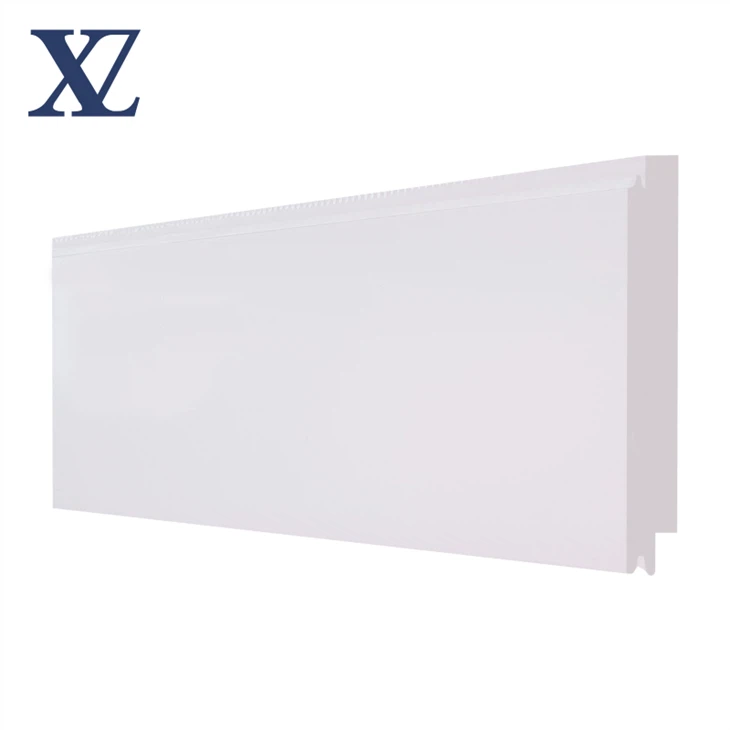
First off, let's quickly understand what EPS sandwich panels are. EPS stands for Expanded Polystyrene, which is a lightweight and insulating material. EPS sandwich panels consist of an EPS core sandwiched between two layers of metal or other facing materials. They're commonly used in construction for their insulation properties, cost - effectiveness, and ease of installation.
Advantages of Using EPS Sandwich Panels in Commercial Kitchens
Insulation
One of the major perks of EPS sandwich panels is their excellent insulation capabilities. In a commercial kitchen, maintaining the right temperature is crucial. You've got hot stoves, ovens, and refrigeration units all working at the same time. EPS panels can help keep the heat in the cooking areas and the cold in the refrigeration zones. This not only makes the kitchen more energy - efficient but also creates a more comfortable working environment for the staff. For example, if you're using a 50mm EPS Sandwich Panel, it can provide a good level of thermal insulation, reducing the amount of energy needed to heat or cool the space.
Cost - Effectiveness
When it comes to building or renovating a commercial kitchen, cost is always a big factor. EPS sandwich panels are relatively inexpensive compared to some other building materials. They're also quick and easy to install, which can save on labor costs. You don't need a large team of highly skilled workers to put up these panels, and the installation process is usually much faster than traditional construction methods. This means you can get your kitchen up and running in no time, minimizing the downtime and lost revenue.
Lightweight
EPS sandwich panels are lightweight, which is a huge advantage when it comes to commercial kitchen construction. They're easier to handle and transport, and they put less stress on the building's structure. If you're renovating an existing building, the lightweight nature of these panels means you might not need to make major structural changes to support them. This can save a lot of time and money during the renovation process.
Hygiene
In a commercial kitchen, hygiene is of utmost importance. EPS sandwich panels have smooth surfaces that are easy to clean. You can wipe them down with common cleaning agents to remove grease, dirt, and bacteria. This helps to maintain a clean and safe environment for food preparation. Unlike some porous materials that can trap dirt and moisture, EPS panels are less likely to harbor harmful microorganisms.
Disadvantages and Considerations
Fire Resistance
One of the main concerns with using EPS sandwich panels in commercial kitchens is their fire resistance. EPS is a flammable material, and in the event of a fire, it can burn and release toxic fumes. However, there are fire - resistant versions of EPS sandwich panels available. These panels are treated with special chemicals to improve their fire - retardant properties. It's essential to check local building codes and regulations regarding fire safety in commercial kitchens and choose the appropriate fire - resistant panels. For instance, if your area has strict fire safety requirements, you might need to opt for EPS Composite Panels that are specifically designed to meet those standards.
Durability
While EPS sandwich panels are generally durable, they may not be as long - lasting as some other materials in a harsh commercial kitchen environment. The constant exposure to heat, moisture, and chemicals can take a toll on the panels over time. However, proper maintenance can significantly extend their lifespan. You should regularly inspect the panels for any signs of damage, such as dents or scratches, and repair them promptly.
Sound Insulation
Although EPS panels provide good thermal insulation, their sound insulation properties may not be as strong. In a busy commercial kitchen, there's a lot of noise from cooking equipment, staff movement, and customer chatter. If noise is a concern, you might need to consider additional sound - insulating measures, such as adding acoustic panels or using thicker EPS sandwich panels.
Installation and Maintenance
Installation
Installing EPS sandwich panels in a commercial kitchen is a straightforward process. First, you need to prepare the surface where the panels will be installed. Make sure it's clean, flat, and free of any debris. Then, you can start attaching the panels using the appropriate fasteners. It's important to follow the manufacturer's installation instructions carefully to ensure a proper and secure fit. If you're not confident in your installation skills, it's always a good idea to hire a professional installer.

Maintenance
Maintaining EPS sandwich panels is relatively easy. As mentioned earlier, you should regularly clean the panels to keep them hygienic. You can use a mild detergent and a soft cloth to wipe down the surfaces. Avoid using abrasive cleaners or tools that could scratch the panels. Also, check the seals around the panels regularly to make sure they're intact. If you notice any leaks or gaps, seal them immediately to prevent moisture from getting inside the panels.
Conclusion
So, can EPS sandwich panels be used for commercial kitchens? The answer is yes, but with some considerations. They offer many advantages, such as insulation, cost - effectiveness, and ease of installation, but you also need to be aware of their limitations, especially in terms of fire resistance and durability. If you're thinking about using EPS sandwich panels in your commercial kitchen, make sure to do your research, choose the right type of panels for your needs, and follow proper installation and maintenance procedures.
If you're interested in purchasing EPS sandwich panels for your commercial kitchen, we'd love to have a chat with you. We can provide you with more information about our EPS Sandwich Wall Panel products, answer any questions you might have, and help you find the best solution for your project. Just reach out to us, and let's start the conversation!
References
- "Building Materials for Commercial Kitchens" - A Guide to Construction and Renovation, Industry Press, 20XX
- "Insulation Materials in the Food Service Industry", Journal of Food Service Engineering, Vol. XX, Issue XX, 20XX