

Can EPS composite panels be used for interior walls?
Aug 04, 2025
Leave a message
As a supplier of EPS Composite Panels, I often receive inquiries about the suitability of these panels for interior walls. In this blog post, I'll delve into the details to answer the question: Can EPS composite panels be used for interior walls?
Understanding EPS Composite Panels
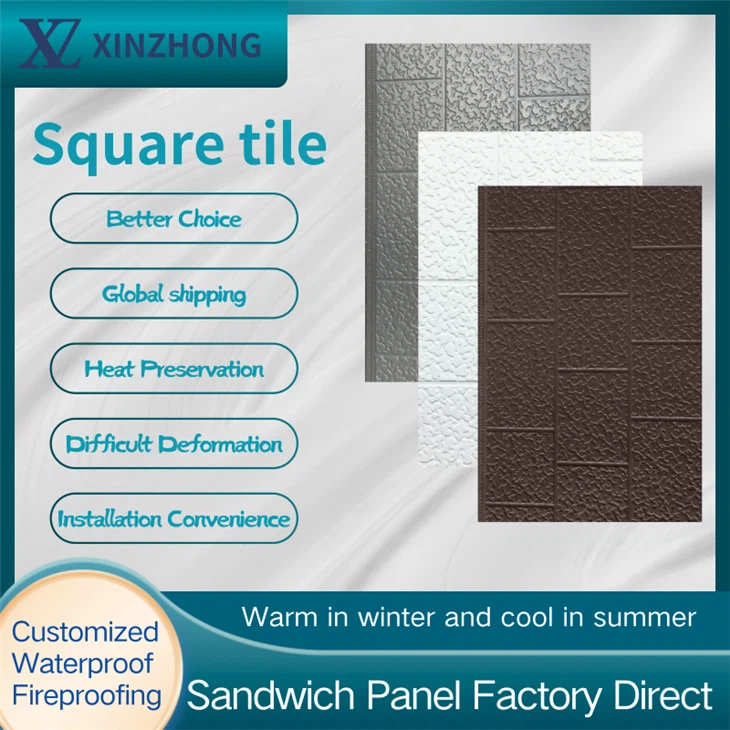
EPS, or Expanded Polystyrene, is a lightweight and rigid foam material. EPS composite panels are made by sandwiching an EPS core between two outer layers, which can be made of various materials such as metal, cement board, or plastic. These panels are known for their excellent insulation properties, lightweight nature, and ease of installation.
The EPS Composite Panels we supply come in different thicknesses and configurations to meet various construction needs. They are widely used in industrial buildings, cold storage facilities, and residential construction.
Advantages of Using EPS Composite Panels for Interior Walls
1. Insulation
One of the primary advantages of EPS composite panels is their superior insulation capabilities. They can significantly reduce heat transfer, which helps in maintaining a comfortable indoor temperature. In winter, they prevent heat from escaping, and in summer, they keep the heat out. This not only enhances the comfort of the occupants but also reduces energy consumption and utility bills.
2. Lightweight
EPS composite panels are extremely lightweight compared to traditional building materials such as bricks or concrete. This makes them easier to handle and install, reducing labor costs and construction time. Additionally, their lightweight nature puts less stress on the building's structure, which can be beneficial, especially in multi - story buildings.
3. Sound Insulation
EPS panels also provide good sound insulation. They can absorb and dampen sound waves, reducing noise transmission between rooms. This is particularly important in residential buildings, offices, and other spaces where a quiet environment is desired.
4. Fire Resistance
Modern EPS composite panels are often treated to improve their fire resistance. While EPS itself is flammable, the outer layers and fire - retardant treatments can significantly reduce the risk of fire spread. This makes them a safer option for interior wall applications.
5. Cost - Effective
When considering the long - term benefits, EPS composite panels are a cost - effective choice. Their insulation properties reduce energy costs, and their ease of installation lowers labor expenses. Moreover, they have a long lifespan, which means less frequent replacement and maintenance.

Considerations When Using EPS Composite Panels for Interior Walls
1. Aesthetics
The appearance of EPS composite panels may not be suitable for all interior design styles. However, they can be finished with a variety of materials such as paint, wallpaper, or decorative panels to match the desired aesthetic.
2. Moisture Resistance
Although EPS is relatively resistant to moisture, the outer layers of the composite panel need to be carefully selected to prevent moisture penetration. If moisture seeps into the panel, it can affect its insulation properties and lead to mold growth.
3. Code Compliance
Before using EPS composite panels for interior walls, it is essential to ensure that they comply with local building codes and regulations. Some areas may have specific requirements regarding fire resistance, insulation values, and other factors.
Applications of EPS Composite Panels in Interior Walls
1. Residential Buildings
In homes, EPS composite panels can be used in interior partitions, especially in areas where insulation and soundproofing are important, such as bedrooms, home offices, and media rooms. The 70mm EPS Sandwich Panel is a popular choice for residential applications due to its balance of insulation and thickness.
2. Commercial Buildings
In commercial spaces like offices, hotels, and restaurants, EPS composite panels can be used to create functional and comfortable interior environments. They can help in dividing large open spaces into smaller rooms while maintaining a high level of energy efficiency.
3. Cold Storage Facilities
Even in cold storage facilities, EPS composite panels are used for interior walls to maintain the low temperature required for storing perishable goods. The excellent insulation properties of these panels ensure that the cold air is retained inside the facility.
Installation of EPS Composite Panels for Interior Walls
The installation of EPS composite panels is relatively straightforward. They can be cut to size using simple tools and are typically installed using adhesives, mechanical fasteners, or a combination of both. It is important to ensure that the installation is done correctly to maximize the performance of the panels. Professional installers are recommended to ensure a proper and secure installation.
Maintenance of EPS Composite Panels
EPS composite panels require minimal maintenance. Regular cleaning with a mild detergent and water is usually sufficient to keep them looking good. It is also important to inspect the panels periodically for any signs of damage or moisture penetration and to address any issues promptly.
Conclusion
In conclusion, EPS composite panels can indeed be used for interior walls. They offer numerous advantages such as insulation, lightweight, soundproofing, fire resistance, and cost - effectiveness. However, some considerations such as aesthetics, moisture resistance, and code compliance need to be taken into account. With proper selection, installation, and maintenance, EPS composite panels can be an excellent choice for creating comfortable and energy - efficient interior spaces.
If you are interested in using EPS Sandwich Wall Panel for your interior wall projects, I encourage you to contact us for more information and to discuss your specific requirements. We are committed to providing high - quality products and professional advice to help you achieve the best results.
References
- Building Construction Handbook, various editions.
- International Building Code (IBC) related sections on interior wall materials.
- Technical literature provided by EPS composite panel manufacturers.