

Can corrugated sandwich panels be used in roofing?
Jul 21, 2025
Leave a message
Corrugated sandwich panels have gained significant popularity in the construction industry due to their versatile nature and numerous benefits. As a leading supplier of corrugated sandwich panels, I often receive inquiries about their suitability for roofing applications. In this blog post, I will delve into the topic and explore whether corrugated sandwich panels can indeed be used in roofing.
Understanding Corrugated Sandwich Panels
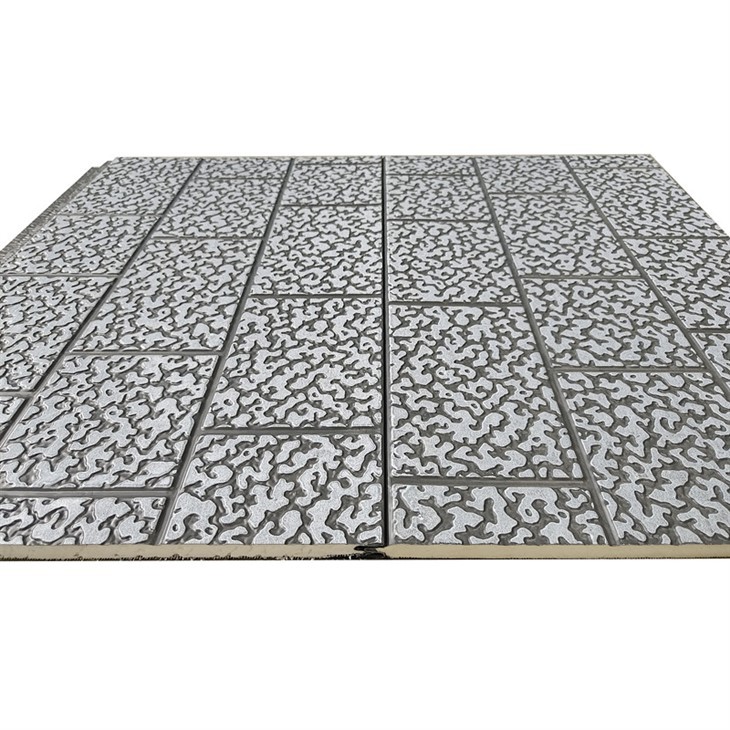
Before discussing their use in roofing, it's essential to understand what corrugated sandwich panels are. These panels consist of two outer layers, typically made of metal, and a core material sandwiched between them. The core can be composed of various materials such as polyurethane foam, expanded polystyrene (EPS), or mineral wool. The corrugated design of the outer layers provides additional strength and rigidity to the panel.
Advantages of Using Corrugated Sandwich Panels for Roofing
1. Strength and Durability
Corrugated sandwich panels are known for their high strength-to-weight ratio. The corrugated design of the outer layers distributes the load evenly, making the panels capable of withstanding heavy snow loads, wind forces, and other environmental stresses. This durability ensures a long lifespan for the roof, reducing the need for frequent repairs or replacements.
2. Insulation Properties
The core material of corrugated sandwich panels provides excellent insulation. Polyurethane foam, for example, is a highly effective insulator that can significantly reduce heat transfer through the roof. This helps to maintain a comfortable indoor temperature, reduce energy consumption, and lower heating and cooling costs. To learn more about Polyurethane Foam Sandwich Panel, click the link.
3. Quick Installation
Compared to traditional roofing materials, corrugated sandwich panels are relatively easy and quick to install. They are pre-fabricated in standard sizes, which means they can be easily transported to the construction site and assembled on-site. This reduces the installation time and labor costs, making them a cost-effective option for roofing projects.
4. Aesthetic Appeal
Corrugated sandwich panels come in a variety of colors and finishes, allowing for a wide range of design options. They can enhance the visual appeal of a building, whether it's a commercial structure or a residential home. Additionally, the smooth surface of the panels is easy to clean and maintain, keeping the roof looking new for years to come.
5. Water Resistance
The metal outer layers of corrugated sandwich panels are inherently water-resistant. The panels are designed with overlapping joints and seals to prevent water infiltration, ensuring a watertight roof. This is especially important in areas with high rainfall or snowfall.
Considerations for Using Corrugated Sandwich Panels in Roofing
1. Structural Design
Before using corrugated sandwich panels for roofing, it's crucial to ensure that the building's structure can support the weight of the panels. A structural engineer should be consulted to determine the appropriate panel thickness and spacing based on the building's design and the expected loads.
2. Roof Pitch
The pitch of the roof can affect the performance of corrugated sandwich panels. Panels are generally recommended for roofs with a minimum pitch to ensure proper water drainage. In some cases, additional measures may be required to prevent water pooling on flat or low-pitched roofs.
3. Ventilation
Proper ventilation is essential to prevent moisture buildup and condensation within the roof. Adequate ventilation systems should be installed to allow air to circulate and remove any moisture that may accumulate.

4. Maintenance
While corrugated sandwich panels are relatively low-maintenance, regular inspections and maintenance are still necessary to ensure their long-term performance. This includes checking for any signs of damage, such as dents or scratches, and repairing them promptly.
Applications of Corrugated Sandwich Panels in Roofing
1. Commercial Buildings
Corrugated sandwich panels are widely used in commercial buildings such as warehouses, factories, and shopping centers. Their strength, durability, and insulation properties make them an ideal choice for large-scale roofing projects. Additionally, the quick installation time minimizes disruption to business operations.
2. Residential Buildings
In residential construction, corrugated sandwich panels can be used for both new builds and roof renovations. They offer a modern and stylish alternative to traditional roofing materials, while also providing energy-efficient insulation. To explore PU Exterior Wall Panel options for residential use, click the link.
3. Agricultural Buildings
Farmers often choose corrugated sandwich panels for their agricultural buildings, such as barns and livestock shelters. The panels' durability and water resistance protect the animals and equipment from the elements, while the insulation helps to maintain a comfortable environment.
Conclusion
In conclusion, corrugated sandwich panels are a viable option for roofing applications. Their strength, durability, insulation properties, and aesthetic appeal make them suitable for a wide range of buildings, from commercial structures to residential homes. However, it's important to consider the structural design, roof pitch, ventilation, and maintenance requirements before using these panels. As a supplier of corrugated sandwich panels, I am committed to providing high-quality products and expert advice to ensure the success of your roofing project.
If you are interested in using corrugated sandwich panels for your roofing needs, I encourage you to contact me for more information and to discuss your specific requirements. Our team of professionals can help you select the right panels and provide guidance throughout the installation process. We also offer a range of Decorative Insulated Wall Panels to enhance the overall look of your building.
References
- "Building Construction Handbook", by Edward Allen and Joseph Iano
- "Roofing Materials and Systems", by the National Roofing Contractors Association
- "Insulation for Buildings", by the American Society of Heating, Refrigerating and Air-Conditioning Engineers