

Are thermal wall panels easy to transport?
Aug 25, 2025
Leave a message
Hey there! As a supplier of thermal wall panels, I often get asked, "Are thermal wall panels easy to transport?" Well, let's dig into this topic and find out.
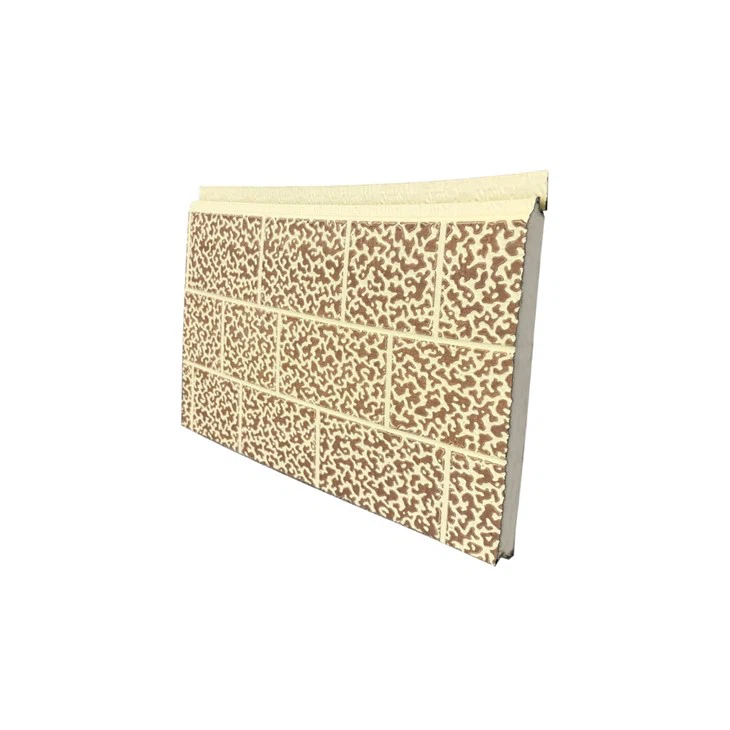

First off, let's talk about what thermal wall panels are. These panels are designed to provide excellent insulation, helping to keep buildings warm in the winter and cool in the summer. They come in various types, like Sound Proof Sandwich Wall Panel, PU Exterior Wall Panel, and Thermal Insulation Wall Panels. Each type has its own unique features and benefits, but when it comes to transportation, there are some common factors to consider.
One of the main advantages of thermal wall panels is their relatively lightweight nature. Compared to traditional building materials like bricks or concrete blocks, thermal wall panels are much lighter. This makes them easier to handle and transport. You don't need heavy - duty machinery to move them around, and they can be loaded onto trucks with less effort. For example, a standard-sized thermal wall panel can usually be carried by one or two people, depending on its size and thickness.
Another factor that makes transportation easier is the standardization of panel sizes. Most thermal wall panels are manufactured in standard dimensions, which means they can be neatly stacked and arranged on a truck. This efficient packing reduces the amount of space they take up during transit, allowing more panels to be transported in a single trip. It also makes it easier to secure the panels during transportation, minimizing the risk of damage.
However, transportation of thermal wall panels isn't without its challenges. One of the biggest concerns is protecting the panels from damage. Although they are lightweight, thermal wall panels can be quite fragile. They can be easily scratched, dented, or cracked if not handled properly. During loading and unloading, it's crucial to use appropriate lifting equipment and ensure that the panels are not subjected to excessive force. For long - distance transportation, additional protective measures may be needed, such as wrapping the panels in protective materials or using custom - made crates.
The shape of the thermal wall panels can also pose some difficulties. Some panels have irregular shapes or protrusions, which can make stacking and securing them more complicated. In such cases, special care must be taken to ensure that the panels are arranged in a way that maximizes stability and minimizes the risk of movement during transit.
Weather conditions can also have an impact on the transportation of thermal wall panels. Extreme heat, cold, or moisture can affect the panels' integrity. For instance, high humidity can cause the panels to absorb moisture, which may lead to mold growth or a reduction in their insulating properties. In cold weather, the panels may become more brittle and prone to cracking. Therefore, it's important to plan the transportation carefully, taking into account the weather forecast and using appropriate protective measures, such as covering the truck with a waterproof tarp.
When it comes to choosing the right mode of transportation, trucks are the most common option for transporting thermal wall panels. They offer flexibility in terms of delivery locations and can easily access construction sites. However, for larger orders or long - distance transportation, shipping by rail or sea may be more cost - effective. But this requires careful coordination and additional handling, as the panels need to be transferred between different modes of transport.
In addition to physical transportation, it's also important to consider the logistics of getting the panels to the end - user. This includes factors like delivery times, customs clearance (for international shipments), and storage at the destination. As a supplier, we work closely with our customers to ensure that all these aspects are taken care of smoothly.
So, are thermal wall panels easy to transport? The answer is yes, with some caveats. Their lightweight and standardized sizes make them generally easier to transport compared to many other building materials. But proper handling, protection, and planning are essential to ensure that the panels arrive at their destination in good condition.
If you're in the market for thermal wall panels and want to learn more about their transportation or place an order, feel free to reach out. We're here to answer all your questions and help you with your procurement needs. Whether you're working on a small home renovation project or a large commercial building, we have the right thermal wall panels for you.
References
- Building Materials Handbook: Insights on Insulation Panels
- Transportation Best Practices for Light - weight Construction Materials