

Are EPS composite panels resistant to mold and mildew?
Sep 10, 2025
Leave a message
As a supplier of EPS Composite Panels, I often get asked about the resistance of these panels to mold and mildew. This is a crucial concern for many customers, especially in areas with high humidity or where the panels will be used in environments prone to moisture. In this blog post, I'll delve into the science behind EPS Composite Panels' resistance to mold and mildew, share some real - world examples, and offer insights on how to maintain their performance.
Understanding EPS Composite Panels
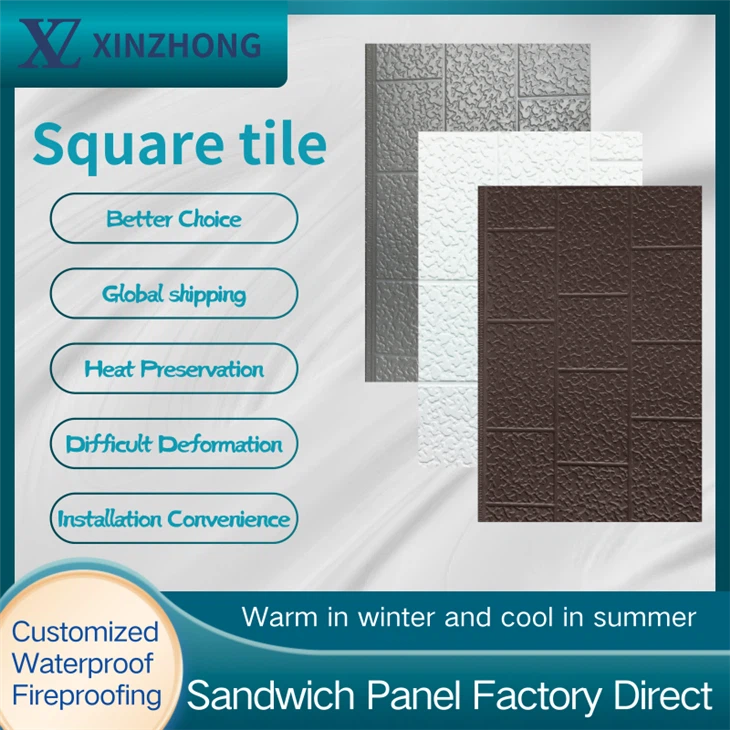
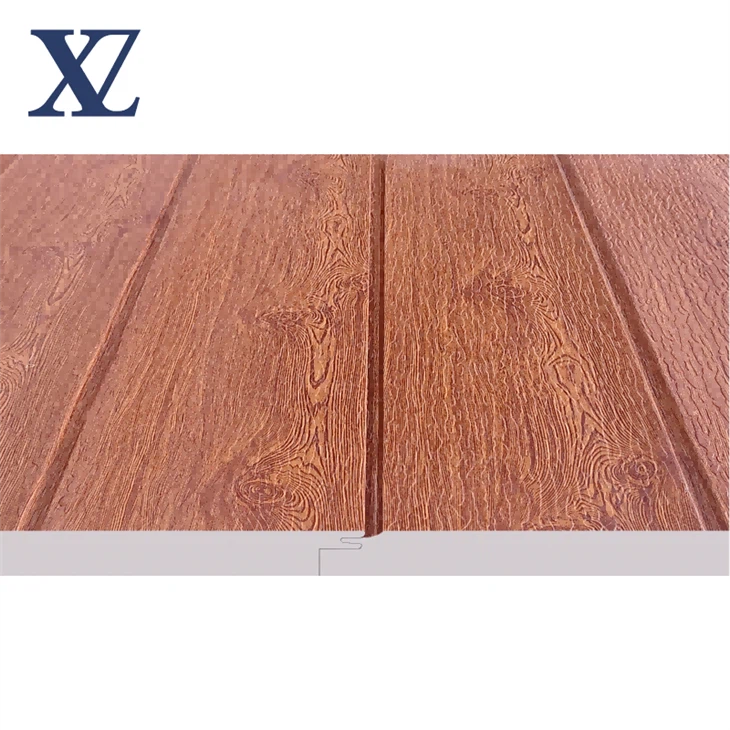
EPS, or Expanded Polystyrene, is a lightweight and versatile material that has been used in construction for decades. EPS Composite Panels are made by sandwiching a core of EPS foam between two outer layers, which can be made of various materials such as metal, plastic, or fiber cement. These panels are known for their excellent insulation properties, strength - to - weight ratio, and ease of installation.
The structure of EPS Composite Panels plays a significant role in their resistance to mold and mildew. The EPS core is a closed - cell foam, which means that it has a very low water absorption rate. Unlike open - cell materials that can soak up water like a sponge, the closed - cell structure of EPS prevents water from penetrating deep into the material. This is a fundamental characteristic that helps in preventing the conditions necessary for mold and mildew growth.
The Science of Mold and Mildew Growth
Mold and mildew are types of fungi that thrive in warm, moist, and dark environments. They require three key elements to grow: a food source, moisture, and a suitable temperature. In a building context, organic materials such as wood, paper, and some types of insulation can serve as food sources for mold and mildew. Moisture can come from various sources, including leaks, high humidity, or condensation. Temperatures between 77°F and 86°F (25°C and 30°C) are ideal for most mold and mildew species.
Since EPS is a non - organic material, it does not provide a food source for mold and mildew. And as mentioned earlier, its closed - cell structure limits moisture absorption. This means that under normal conditions, EPS Composite Panels are inherently resistant to mold and mildew growth.
Real - World Performance
In real - world applications, EPS Composite Panels have proven their resistance to mold and mildew. For example, in coastal areas where humidity levels are consistently high, buildings constructed with EPS Composite Panels have shown minimal signs of mold and mildew even after years of exposure. These panels have also been used in industrial facilities where moisture from processes can be an issue, and they have maintained their integrity.
One of our customers, a food processing plant in a humid region, installed EPS Sandwich Wall Panel to insulate their storage areas. After several years of operation, an inspection revealed that the panels were free from mold and mildew, which was a testament to their performance in a challenging environment.
Factors Affecting Resistance
While EPS Composite Panels are generally resistant to mold and mildew, there are some factors that can potentially compromise their resistance.
Installation Quality
If the panels are not installed correctly, there may be gaps or seams that allow moisture to seep in. For example, if the joints between panels are not properly sealed, water can enter and accumulate behind the panels. This can create a moist environment where mold and mildew can start to grow. It's essential to have experienced installers who follow the manufacturer's guidelines to ensure a proper installation.
Environmental Conditions
Extreme environmental conditions can also pose a challenge. In areas with frequent heavy rainfall or flooding, if the panels are directly exposed to large amounts of water for an extended period, there is a risk of water penetration. Additionally, if the panels are installed in an area with poor ventilation, humidity levels can build up, increasing the likelihood of mold and mildew growth.
Damage to the Panels
Physical damage to the outer layers of the EPS Composite Panels can expose the EPS core to moisture. For example, if a panel is dented or scratched, water can enter through the damaged area. Regular inspections should be carried out to identify and repair any damage promptly.
Maintenance Tips
To ensure the long - term resistance of EPS Composite Panels to mold and mildew, proper maintenance is essential.
Regular Inspections
Conduct regular visual inspections of the panels to check for any signs of damage, water stains, or mold growth. Look for areas where the panels may have been compromised, such as around joints, corners, or areas that have been subjected to physical impact.
Sealing and Repairs
If any damage is detected, it should be repaired immediately. Seal any gaps or cracks in the outer layers using appropriate sealants. If a panel is severely damaged, it may need to be replaced to prevent moisture from entering.
Ventilation
Proper ventilation is crucial to control humidity levels. Ensure that the areas where the panels are installed have adequate ventilation systems in place. This can help to remove excess moisture from the air and prevent condensation from forming on the panels.
Our Product Range
At our company, we offer a wide range of EPS Composite Panels to meet different customer needs. Our 50mm EPS Sandwich Panel is a popular choice for many applications, providing excellent insulation and structural support while maintaining its resistance to mold and mildew.
Conclusion
In conclusion, EPS Composite Panels are highly resistant to mold and mildew due to the non - organic nature of the EPS core and its closed - cell structure. However, proper installation, maintenance, and consideration of environmental factors are essential to ensure their long - term performance. If you're looking for a reliable and mold - resistant building material, our EPS Composite Panels are an excellent choice.
If you're interested in learning more about our EPS Composite Panels or would like to discuss a potential project, we encourage you to reach out. We're here to provide you with the information and support you need to make the right decision for your construction needs. Contact us today to start the conversation.
References
- ASTM International. (Year). Standard test methods for determining the water vapor permeability of materials.
- Building Science Corporation. (Year). Moisture control in buildings.
- National Association of Home Builders. (Year). Guide to building with energy - efficient materials.