

What is the quality standard of pu sandwich panels?
Jan 13, 2026
Leave a message
Hey there! I'm a supplier of PU sandwich panels, and today I wanna chat about the quality standards of these awesome panels.
Understanding PU Sandwich Panels
First off, let's quickly go over what PU sandwich panels are. They're made up of a core layer of polyurethane (PU) foam, which is sandwiched between two outer layers. These outer layers can be made of different materials like steel, aluminum, or even some types of plastics. The combination gives the panels a whole bunch of great properties, making them super popular in various construction and industrial applications.
Physical Properties
Density
One of the key quality indicators of PU sandwich panels is density. The density of the PU core affects the panel's strength, insulation performance, and durability. A higher - density core generally means a stronger panel. For structural applications, you'd want a panel with a density in the range of 35 - 45 kg/m³. This density provides enough strength to withstand the loads it might encounter, whether it's from wind, snow, or the weight of other building components.
On the other hand, if the panel is mainly for insulation purposes, a slightly lower density, around 30 - 35 kg/m³, might be sufficient. It still offers good insulation but is a bit lighter, which can be an advantage in some situations. When we're manufacturing these panels, we carefully control the density to meet the specific requirements of our customers.
Thickness
The thickness of the panel also matters a great deal. The overall thickness includes the thickness of the core and the outer layers. For insulation, a thicker panel usually means better thermal performance. In cold climates, panels with a total thickness of 100 - 200 mm are commonly used. This extra thickness helps to keep the heat inside the building and reduces energy consumption for heating.
For interior partitions or decorative purposes, thinner panels, around 50 - 80 mm, can be used. They still provide some insulation and can add a nice aesthetic touch to the space. We offer a wide range of thickness options to meet different customer needs.
Flatness
A flat panel is crucial for proper installation and a good - looking finish. Any unevenness in the panel can cause problems during installation, such as gaps between panels or difficulties in aligning them. We have strict quality control measures in place to ensure that our panels have a high degree of flatness. The allowable deviation in flatness is usually within a few millimeters per meter of the panel's length.
Thermal Performance
Thermal Conductivity
Thermal conductivity is a measure of how well a material conducts heat. For PU sandwich panels, a low thermal conductivity is desirable because it means the panel can effectively prevent heat transfer. The thermal conductivity of a good - quality PU sandwich panel is typically between 0.02 - 0.03 W/(m·K). This low value allows the panel to keep the indoor temperature stable, whether it's hot or cold outside.
To achieve this low thermal conductivity, we use high - quality polyurethane foam in the core. The foam has a closed - cell structure, which traps air and reduces heat transfer. When customers are looking for energy - efficient buildings, they often choose our panels because of their excellent thermal performance.
Fire Resistance
Fire Rating
Fire safety is a major concern in any building. PU sandwich panels need to meet certain fire - resistance standards. There are different fire - rating systems around the world, but a common one is the Euroclass system. Panels can be classified as A1 (non - combustible), A2 (limited combustibility), B (flammable with limited contribution to fire), C (moderately flammable), D (normally flammable), E (easily flammable), and F (highly flammable).
We offer Fireproof Insulation Panels that meet various fire - rating requirements. For applications where fire safety is of utmost importance, such as in hospitals, schools, and high - rise buildings, we can provide panels with a higher fire rating. We use special additives in the polyurethane foam to improve its fire - resistance properties.
Chemical Resistance
Resistance to Moisture and Chemicals
PU sandwich panels may be exposed to moisture and various chemicals in different environments. Good panels should have a certain level of resistance to these elements. Moisture can cause the panel to deteriorate over time, leading to problems like corrosion of the outer layers or degradation of the core.
Our panels are designed to be resistant to moisture. The outer layers are often coated with a protective layer that prevents water from seeping in. In addition, the polyurethane foam in the core is also relatively resistant to moisture. When it comes to chemicals, our panels can withstand exposure to some common industrial chemicals, which makes them suitable for use in factories and warehouses.
Aesthetic and Decorative Aspects
Surface Finish
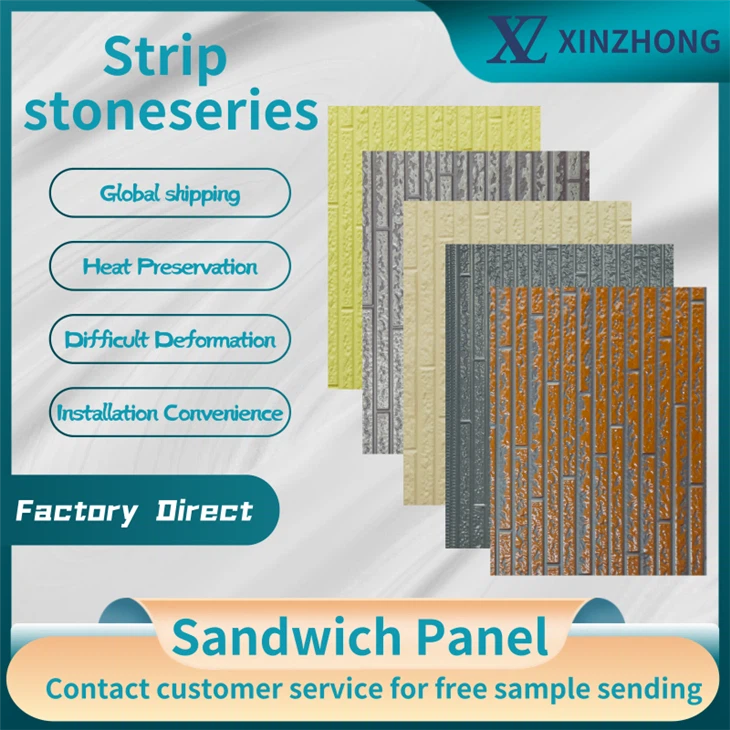
The surface finish of the panel is important, especially for interior applications. We offer a variety of surface finishes to meet different aesthetic needs. For Decorative Insulated Interior Wall Panels, we have options like smooth, textured, or patterned surfaces. These finishes can add a unique look to the interior space, whether it's a modern office, a trendy restaurant, or a residential home.
The color of the panel is also customizable. Customers can choose from a wide range of colors to match the overall design scheme of their building. We use high - quality paints and coatings to ensure that the color is long - lasting and resistant to fading.

Installation and Compatibility
Ease of Installation
Our PU sandwich panels are designed to be easy to install. They come with a simple connection system that allows for quick and efficient installation. The panels can be easily joined together, and the connection points are designed to be strong and secure. This reduces the installation time and labor costs for our customers.
Compatibility with Other Building Materials
The panels need to be compatible with other building materials. For example, they should be able to be easily integrated with the building's frame, roofing materials, and other components. We ensure that our panels are designed to work well with a variety of common building materials, which makes them a versatile choice for different construction projects.
Quality Control in Manufacturing
Production Process
We have a strict production process to ensure the quality of our PU Interior Wall Panel. From the selection of raw materials to the final inspection, every step is carefully monitored. We use advanced manufacturing equipment to ensure the consistency and accuracy of the panel's dimensions and properties.
Testing and Certification
Before the panels are shipped to customers, they go through a series of tests. These tests include physical property tests, thermal performance tests, fire - resistance tests, and chemical resistance tests. We also have our products certified by relevant international and national standards organizations. This gives our customers confidence in the quality of our panels.
Why Choose Our PU Sandwich Panels?
As a supplier, we're committed to providing high - quality PU sandwich panels. We understand the importance of meeting the diverse needs of our customers. Whether you're looking for panels for a large - scale industrial project, a commercial building, or a residential renovation, we have the right products for you.
Our panels meet all the key quality standards in terms of physical properties, thermal performance, fire resistance, chemical resistance, and aesthetics. We offer a wide range of options in terms of thickness, density, surface finish, and fire rating. And we have a team of experts who can provide technical support and advice to help you choose the best panels for your project.
If you're interested in our PU sandwich panels or have any questions about their quality standards, don't hesitate to get in touch with us. We're always happy to have a chat and discuss your specific requirements. Let's work together to make your building project a success!
References
- Building and Construction Research Institute. (2020). Standards for Insulation Materials in Buildings.
- International Fire Safety Association. (2021). Fire - Rating Guidelines for Building Panels.
- European Union Standards Organization. (2019). Quality Standards for Sandwich Panels.