

What is the performance of corrugated sandwich panels in coastal areas?
Jul 15, 2025
Leave a message
What is the performance of corrugated sandwich panels in coastal areas?
As a supplier of Corrugated Sandwich Panels, I've witnessed firsthand the unique challenges and requirements that coastal areas present. Coastal environments are known for their harsh conditions, including high humidity, saltwater exposure, strong winds, and intense sunlight. In this blog, I'll explore how corrugated sandwich panels perform in these challenging coastal settings.
1. Structural Strength and Resistance to High Winds
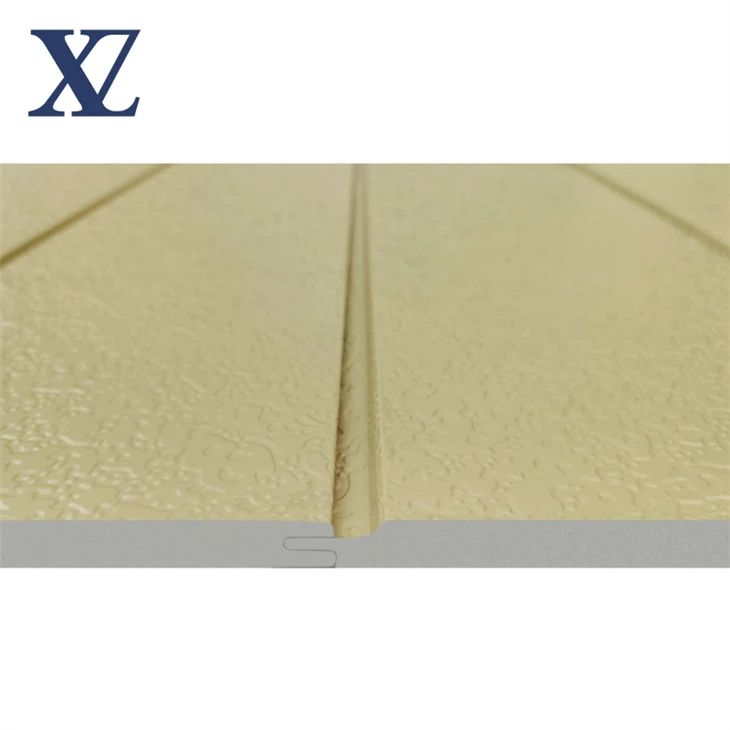
Coastal areas are often prone to strong winds, especially during storms and hurricanes. Corrugated sandwich panels are designed with a unique corrugated structure that provides excellent structural strength. The corrugations act as ribs, distributing the load evenly across the panel. This design allows the panels to withstand high wind pressures without significant deformation.
According to industry standards, corrugated sandwich panels can be engineered to meet specific wind load requirements. For example, in areas with high wind zones, the panels can be reinforced with additional support structures or thicker core materials. This ensures that the panels remain stable and secure, even during extreme weather events.
In addition to their strength, corrugated sandwich panels are also lightweight. This makes them easier to install and reduces the overall load on the building structure. The combination of strength and lightness makes these panels an ideal choice for coastal buildings, where the ability to withstand high winds is crucial.
2. Resistance to Saltwater and Corrosion
One of the most significant challenges in coastal areas is the presence of saltwater. Saltwater can cause corrosion and damage to many building materials over time. However, corrugated sandwich panels are designed to resist corrosion and maintain their integrity in saltwater environments.
Most corrugated sandwich panels are made with materials that are resistant to corrosion, such as aluminum or galvanized steel. These materials form a protective layer that prevents saltwater from penetrating the panel and causing damage. Additionally, the core material of the sandwich panel is often made of a non - corrosive material, such as polyurethane foam or polystyrene, which further enhances the panel's resistance to saltwater.
Regular maintenance can also help to extend the lifespan of corrugated sandwich panels in coastal areas. Simple measures such as cleaning the panels periodically to remove salt deposits can prevent the build - up of corrosive substances. With proper care, these panels can last for many years in saltwater environments.
3. Thermal Insulation
Coastal areas often have a wide range of temperatures, from hot summers to relatively cool winters. Corrugated sandwich panels offer excellent thermal insulation properties, which can help to regulate the temperature inside the building and reduce energy consumption.
The core material of the sandwich panel acts as an insulator, preventing the transfer of heat between the inside and outside of the building. This means that in the summer, the panels can keep the building cool by blocking out the heat from the sun. In the winter, they can keep the building warm by preventing heat from escaping.
The thermal insulation performance of corrugated sandwich panels is measured by their R - value. A higher R - value indicates better insulation. Many corrugated sandwich panels have high R - values, making them an energy - efficient choice for coastal buildings. By reducing the need for heating and cooling systems, these panels can help building owners save on energy costs in the long run.
4. Moisture Resistance
High humidity is a common feature of coastal areas. Excess moisture can lead to problems such as mold growth, rot, and damage to the building structure. Corrugated sandwich panels are designed to be moisture - resistant, which helps to prevent these issues.
The outer layers of the panel act as a barrier against moisture, preventing water from seeping into the building. The core material is also often moisture - resistant, which further enhances the panel's ability to keep the building dry. In addition, the panels are usually installed with proper sealing and flashing to ensure that there are no gaps or openings where moisture can enter.
This moisture resistance is particularly important in coastal areas, where the high humidity can create a breeding ground for mold and other harmful organisms. By keeping the building dry, corrugated sandwich panels can help to maintain a healthy indoor environment.
5. Aesthetic Appeal
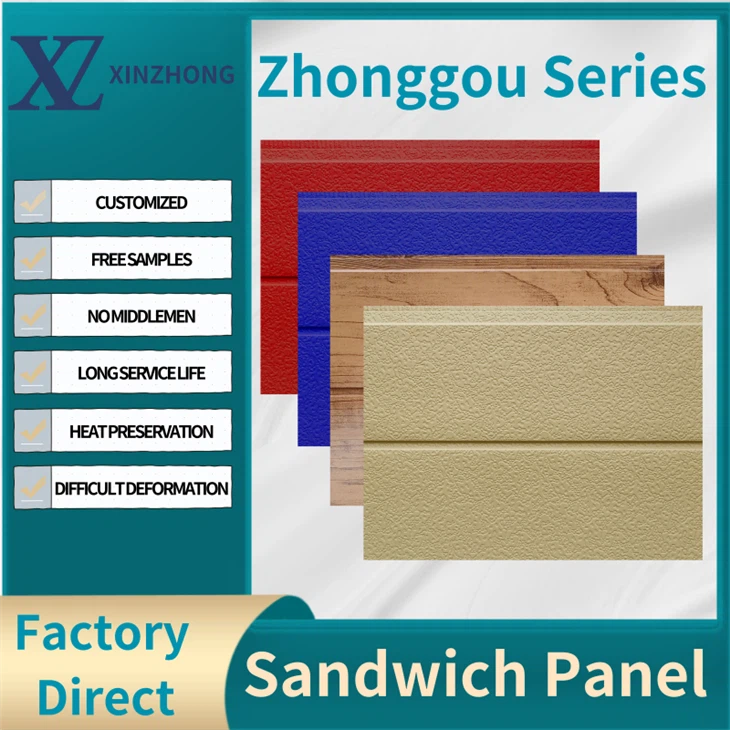
In addition to their functional properties, corrugated sandwich panels also offer aesthetic appeal. They come in a variety of colors and finishes, allowing building owners to choose a style that suits their design preferences.
The corrugated pattern of the panels adds a unique visual element to the building. It can give the building a modern and industrial look, or it can be used to create a more traditional or rustic appearance, depending on the color and finish chosen.
Whether it's a residential beach house or a commercial building in a coastal town, corrugated sandwich panels can enhance the overall look of the building and make it stand out. You can explore different options of Corrugated Sandwich Panel on our website to find the perfect match for your project.
6. Versatility
Corrugated sandwich panels are highly versatile and can be used in a variety of applications in coastal areas. They can be used for roofing, wall cladding, and even as interior partitions.
For roofing, the panels provide excellent protection against the elements, including rain, wind, and sunlight. Their lightweight nature makes them easy to install on rooftops, and their strength ensures that they can withstand the weight of snow and ice in colder coastal regions.
As wall cladding, corrugated sandwich panels can enhance the building's appearance while also providing insulation and protection. They can be installed vertically or horizontally, depending on the design requirements. You can find more information about Corrugated Aluminum Siding Panels on our website, which are a popular choice for wall cladding in coastal buildings.
For interior use, Prefab Insulated Interior Wall Panels can be used to create partitions, offices, or storage areas. These panels offer the same benefits of insulation and moisture resistance as the exterior panels, while also providing a clean and modern look.
Conclusion
In conclusion, corrugated sandwich panels offer excellent performance in coastal areas. Their structural strength, resistance to saltwater and corrosion, thermal insulation, moisture resistance, aesthetic appeal, and versatility make them an ideal choice for coastal buildings.
If you are planning a building project in a coastal area and are interested in using corrugated sandwich panels, I encourage you to contact us for more information. Our team of experts can help you choose the right panels for your specific needs and provide you with detailed information about installation and maintenance. We look forward to discussing your project and helping you create a durable and beautiful building in the coastal environment.
References
- Building Construction Handbook, McGraw - Hill
- Corrugated Metal Panels: Design and Application Guide, American Iron and Steel Institute