

What is the meaning of frp transparent roof tile?
Dec 09, 2025
Leave a message
In the realm of construction and architecture, the choice of roofing materials plays a pivotal role in determining not only the aesthetic appeal but also the functionality and durability of a building. Among the plethora of roofing options available, FRP transparent roof tiles have emerged as a popular choice for many architects, builders, and property owners. In this blog post, I will delve into the meaning of FRP transparent roof tiles, exploring their composition, advantages, applications, and why they are a valuable addition to any construction project. As a supplier of FRP transparent roof tiles, I have witnessed firsthand the transformative impact these tiles can have on various structures, and I am excited to share my insights with you.
What are FRP Transparent Roof Tiles?
FRP stands for Fiberglass Reinforced Plastic, which is a composite material made up of a polymer matrix reinforced with fine fibers of glass. In the context of roof tiles, FRP transparent roof tiles are manufactured by combining fiberglass with a transparent resin, resulting in a lightweight, durable, and translucent roofing solution. These tiles are typically corrugated, which provides them with additional strength and rigidity, making them suitable for a wide range of applications.

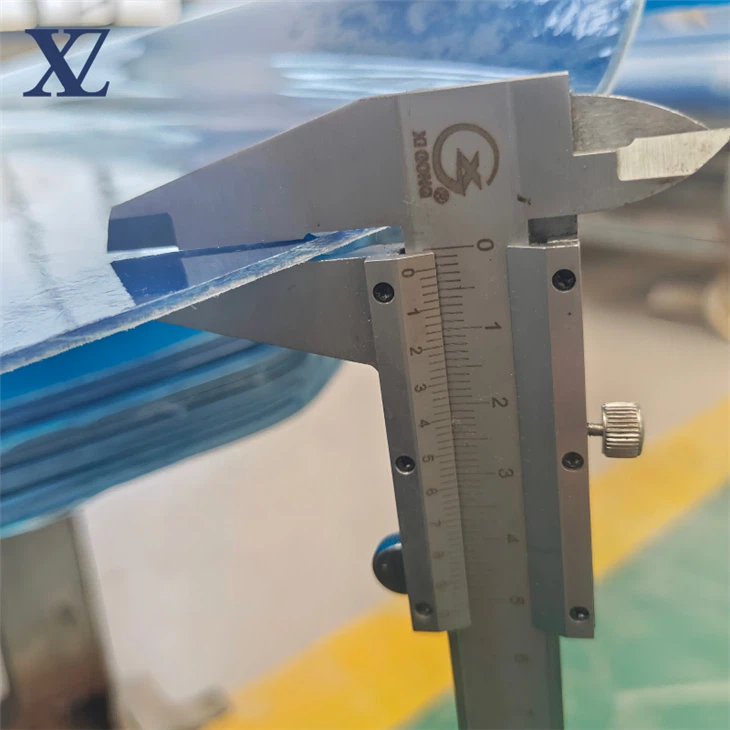
The transparency of FRP roof tiles is one of their most distinctive features. Unlike traditional roofing materials such as asphalt shingles or metal sheets, FRP transparent roof tiles allow natural light to penetrate into the building, reducing the need for artificial lighting during the day. This not only helps to create a more pleasant and inviting interior environment but also contributes to energy savings and sustainability.
Composition and Manufacturing Process
The manufacturing process of FRP transparent roof tiles involves several steps. First, the fiberglass is chopped into short strands and mixed with a resin, which is usually a polyester or vinyl ester. The resin acts as a binder, holding the fiberglass strands together and providing the tile with its structural integrity.
Next, the mixture is placed into a mold, which is designed to give the tile its corrugated shape. The mold is then heated and pressed, causing the resin to cure and harden. This process, known as thermosetting, ensures that the tile retains its shape and properties even under extreme conditions.
Once the tile has been removed from the mold, it is trimmed and finished to remove any excess material and to ensure a smooth and uniform surface. The tile may also be coated with a protective layer, such as a UV-resistant film, to enhance its durability and resistance to weathering.
Advantages of FRP Transparent Roof Tiles
There are several advantages to using FRP transparent roof tiles in construction projects. Some of the key benefits include:
- Lightweight: FRP transparent roof tiles are significantly lighter than traditional roofing materials, such as concrete or clay tiles. This makes them easier to handle and install, reducing labor costs and the need for heavy machinery.
- Durable: Fiberglass is a strong and resilient material that is resistant to corrosion, rot, and insect damage. FRP transparent roof tiles can withstand harsh weather conditions, including high winds, heavy rain, and snow, without cracking or warping.
- Energy-efficient: The transparency of FRP roof tiles allows natural light to enter the building, reducing the need for artificial lighting during the day. This can result in significant energy savings and lower electricity bills.
- Sustainable: FRP transparent roof tiles are made from recyclable materials, which makes them an environmentally friendly choice. Additionally, their energy-saving properties contribute to a reduced carbon footprint.
- Versatile: FRP transparent roof tiles are available in a variety of sizes, colors, and thicknesses, making them suitable for a wide range of applications. They can be used on residential, commercial, and industrial buildings, as well as in agricultural and greenhouse structures.
Applications of FRP Transparent Roof Tiles
FRP transparent roof tiles are used in a wide range of applications, including:
- Residential Buildings: FRP transparent roof tiles can be used on homes to provide natural light and ventilation, creating a more comfortable and energy-efficient living environment. They can be installed on pitched roofs, flat roofs, or as skylights.
- Commercial Buildings: In commercial buildings, such as offices, warehouses, and factories, FRP transparent roof tiles can help to reduce energy costs by allowing natural light to penetrate into the building. They can also be used to create a more inviting and productive work environment.
- Agricultural Structures: FRP transparent roof tiles are commonly used in agricultural structures, such as greenhouses and barns. The transparency of the tiles allows sunlight to reach the plants, promoting their growth and development. Additionally, the corrugated shape of the tiles provides excellent drainage, preventing water from pooling on the roof.
- Industrial Buildings: Industrial buildings, such as factories and workshops, often require large amounts of natural light to improve visibility and safety. FRP transparent roof tiles can be used to provide this natural light, while also protecting the building from the elements.
Why Choose Our FRP Transparent Roof Tiles?
As a supplier of FRP transparent roof tiles, we are committed to providing our customers with high-quality products that meet their specific needs and requirements. Our tiles are manufactured using the latest technology and the highest quality materials, ensuring that they are durable, reliable, and energy-efficient.
We offer a wide range of FRP transparent roof tiles, including Fiberglass Corrugated Roof Tile, Transparent Fiberglass Roof Tiles, and FRP Corrugated Sheet. Our tiles are available in a variety of sizes, colors, and thicknesses, allowing you to choose the perfect tile for your project.
In addition to our high-quality products, we also offer excellent customer service and support. Our team of experts is available to answer your questions, provide technical advice, and assist you with the installation process. We are dedicated to ensuring that your experience with our products is a positive one, from the moment you place your order to the completion of your project.
Conclusion
In conclusion, FRP transparent roof tiles are a versatile, durable, and energy-efficient roofing solution that offers a wide range of benefits for both residential and commercial buildings. Their transparency allows natural light to enter the building, reducing the need for artificial lighting and contributing to energy savings and sustainability. Additionally, their lightweight and corrugated design makes them easy to install and provides them with additional strength and rigidity.
If you are considering using FRP transparent roof tiles for your next construction project, we encourage you to contact us to learn more about our products and services. Our team of experts is ready to assist you in choosing the perfect tile for your needs and to provide you with the support and guidance you need to ensure a successful installation.
References
- "Fiberglass Reinforced Plastic (FRP) - An Overview." Composites World.
- "The Benefits of Using Transparent Roof Tiles." Green Building Elements.
- "Corrugated Roofing: A Guide to Choosing the Right Material." Building Advisor.