

What is the flexural strength of EPS composite panels?
Oct 09, 2025
Leave a message
As a supplier of EPS Composite Panels, I often get asked about the flexural strength of these innovative building materials. Flexural strength is a crucial property that determines how well a panel can withstand bending forces without breaking. In this blog post, I'll delve into what flexural strength means for EPS composite panels, how it's measured, and why it matters in construction projects.
Understanding Flexural Strength
Flexural strength, also known as bending strength, is the maximum stress that a material can withstand while being bent before it fractures. For EPS composite panels, which are commonly used in wall and roof applications, this property is essential for ensuring structural integrity and long - term durability. When a load is applied to a panel, it causes the panel to bend. The outer fibers of the panel are stretched, while the inner fibers are compressed. The flexural strength indicates the point at which the panel can no longer handle these stresses and will start to crack or break.
How Flexural Strength is Measured
The flexural strength of EPS composite panels is typically measured using a three - point or four - point bending test. In a three - point bending test, a panel is supported at two ends, and a load is applied at the mid - point. The load is gradually increased until the panel fails. The flexural strength is then calculated based on the maximum load applied, the dimensions of the panel, and the span between the supports.
In a four - point bending test, the panel is supported at two ends, and the load is applied at two points equidistant from the mid - point. This test is more representative of real - world conditions where the load is distributed over a larger area. The results of these tests provide valuable information about the panel's ability to resist bending forces.
Factors Affecting Flexural Strength
Several factors can influence the flexural strength of EPS composite panels.
Core Material
The EPS (Expanded Polystyrene) core is the heart of the composite panel. The density and quality of the EPS foam play a significant role in determining the panel's flexural strength. Higher - density EPS foams generally offer better resistance to bending forces. A well - formulated EPS core with uniform cell structure provides more consistent support and can enhance the overall strength of the panel.
Face Sheets
The face sheets of the EPS composite panel, which are typically made of materials such as metal, fiber cement, or plastic, also contribute to the flexural strength. Strong and rigid face sheets can distribute the load more evenly across the panel, reducing the stress on the EPS core. The thickness and material properties of the face sheets need to be carefully selected to optimize the panel's performance.
Manufacturing Process
The way the EPS composite panels are manufactured can have a major impact on their flexural strength. Proper bonding between the core and the face sheets is crucial. If the bonding is weak, the panel may delaminate under load, significantly reducing its flexural strength. Advanced manufacturing techniques that ensure a strong and durable bond, along with precise control of panel dimensions, can result in panels with higher flexural strength.
Importance of Flexural Strength in Construction
In construction, the flexural strength of EPS composite panels is of utmost importance for several reasons.
Structural Integrity
For walls and roofs, panels need to be able to support their own weight, as well as any additional loads such as snow, wind, or equipment. A panel with adequate flexural strength ensures that the structure remains stable and safe over time. It can prevent sagging, cracking, and other forms of structural damage that could compromise the building's integrity.
Design Flexibility
Higher flexural strength allows for more design flexibility. Architects and engineers can use larger panels or design structures with longer spans without having to rely on excessive support structures. This can lead to more open and aesthetically pleasing building designs, while still maintaining structural stability.
Cost - Effectiveness
Panels with good flexural strength can reduce the need for additional reinforcement materials and support structures. This not only saves on material costs but also on labor costs associated with installation. In the long run, it can make the construction project more cost - effective.
Our EPS Composite Panels and Flexural Strength
At our company, we take great pride in producing EPS composite panels with excellent flexural strength. We use high - quality EPS foam cores with carefully controlled densities to ensure optimal performance. Our state - of - the - art manufacturing process guarantees a strong bond between the core and the face sheets, enhancing the overall strength of the panels.
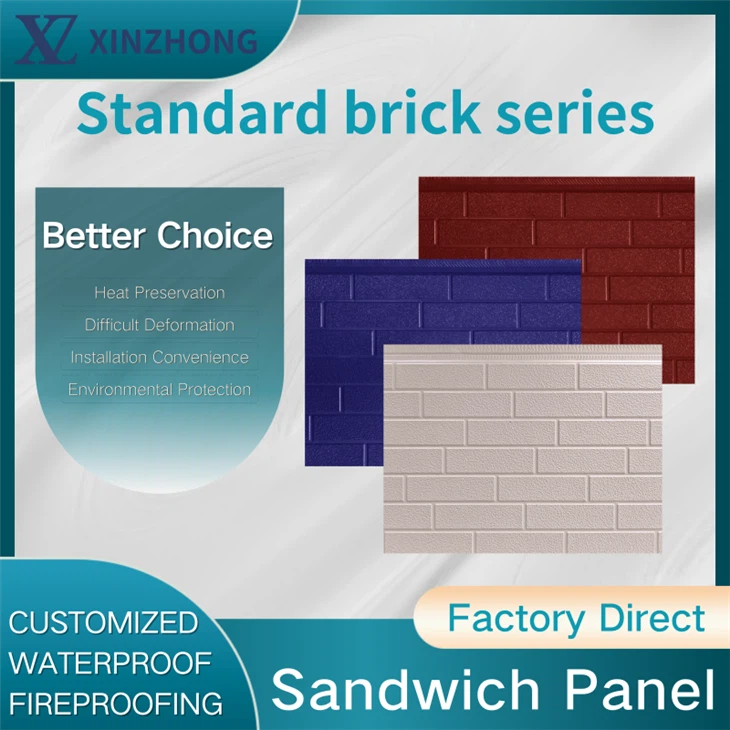

We offer a wide range of EPS composite panels, including the 70mm EPS Sandwich Panel, EPS Sandwich Wall Panel, and EPS Foam Sandwich Panel. These panels have been rigorously tested to meet and exceed industry standards for flexural strength. Whether you're working on a small residential project or a large commercial building, our panels can provide the structural support you need.
Contact Us for Your EPS Composite Panel Needs
If you're in the market for high - quality EPS composite panels with excellent flexural strength, we'd love to hear from you. Our team of experts can provide you with detailed information about our products, help you select the right panels for your project, and answer any questions you may have.
Whether you're an architect, contractor, or building owner, we're committed to providing you with the best products and services. Don't hesitate to reach out to us to start a conversation about your EPS composite panel requirements. Let's work together to create strong, durable, and cost - effective building solutions.
References
- ASTM International. (20XX). Standard test methods for flexural properties of unreinforced and reinforced plastics and electrical insulating materials. ASTM D790.
- EN Standards. (20XX). European standards for building products related to mechanical properties of composite panels.
- Technical literature from EPS foam manufacturers on the properties and performance of EPS materials.