

What are the insulation properties of black sandwich panels?
Sep 29, 2025
Leave a message
What are the insulation properties of black sandwich panels?
As a supplier of Black Sandwich Panels, I've witnessed firsthand the growing demand for these innovative building materials. Black sandwich panels have gained popularity in various construction projects due to their unique aesthetic appeal and exceptional insulation properties. In this blog post, I'll delve into the insulation characteristics of black sandwich panels, exploring how they work and why they are an excellent choice for energy - efficient buildings.
Understanding the Structure of Black Sandwich Panels
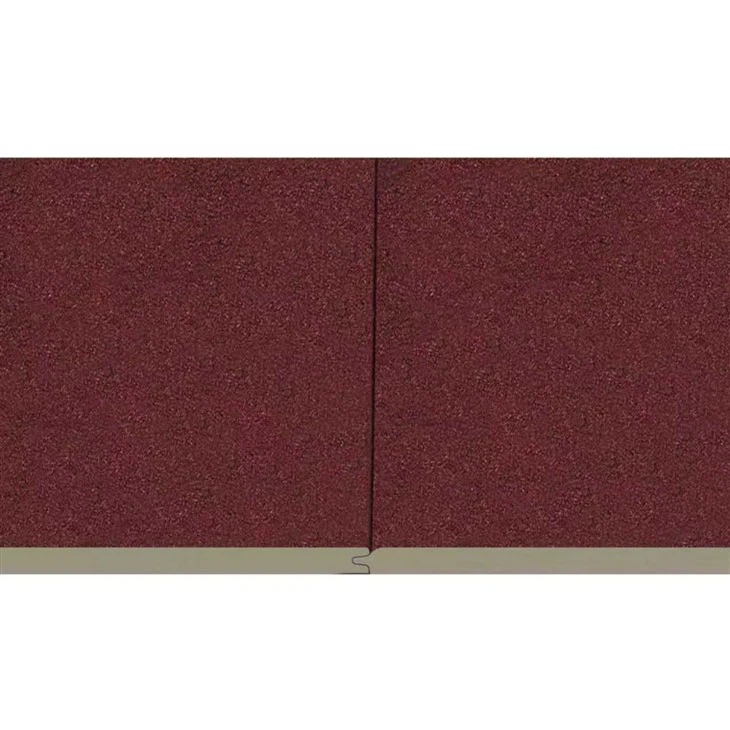
Black sandwich panels typically consist of three layers: two outer skins and a core material. The outer skins are usually made of metal, such as steel or aluminum, which provides durability and protection. The black color is often achieved through a special coating process, which not only gives the panels an attractive appearance but also offers some additional benefits like UV resistance.
The core material is the key component when it comes to insulation. Common core materials used in black sandwich panels include polyurethane (PU), polystyrene (PS), and mineral wool. Each of these materials has its own insulation properties, and the choice of core material depends on the specific requirements of the project.
Insulation Mechanisms of Core Materials
Polyurethane (PU) Core
Polyurethane is one of the most popular core materials for black sandwich panels. It has excellent insulation properties due to its closed - cell structure. The closed cells trap air, which is a poor conductor of heat. As a result, heat transfer through the panel is significantly reduced.
The thermal conductivity of polyurethane foam is relatively low, typically ranging from 0.022 to 0.027 W/(m·K). This means that it can effectively resist the flow of heat, keeping the interior of a building warm in winter and cool in summer. For example, in a cold climate, a building insulated with black sandwich panels with a PU core will require less energy for heating, resulting in lower energy bills.
Polystyrene (PS) Core
Polystyrene is another commonly used core material. It comes in two main types: expanded polystyrene (EPS) and extruded polystyrene (XPS). EPS has a cellular structure that contains small air pockets, which act as insulation barriers. XPS, on the other hand, has a more uniform and closed - cell structure, providing better insulation performance than EPS.
The thermal conductivity of EPS is around 0.033 - 0.041 W/(m·K), while XPS has a thermal conductivity of approximately 0.028 - 0.032 W/(m·K). Although not as good as polyurethane in terms of insulation, polystyrene cores are more cost - effective, making them a popular choice for budget - conscious projects.
Mineral Wool Core
Mineral wool is made from natural or synthetic minerals, such as basalt or slag. It has a fibrous structure that traps air and reduces heat transfer. Mineral wool is known for its fire - resistance properties, making it a suitable choice for buildings where fire safety is a concern.
The thermal conductivity of mineral wool typically ranges from 0.032 to 0.040 W/(m·K). While its insulation performance is comparable to polystyrene, its ability to withstand high temperatures sets it apart.
Factors Affecting Insulation Performance
Panel Thickness
The thickness of the black sandwich panel plays a crucial role in its insulation performance. Generally, the thicker the panel, the better the insulation. A thicker core provides more space for the insulation material to trap air and resist heat transfer. For example, a 100 - mm thick panel will have better insulation properties than a 50 - mm thick panel.
Installation Quality
Proper installation is essential for achieving optimal insulation performance. Gaps or voids between panels can allow heat to bypass the insulation, reducing its effectiveness. It is important to ensure that the panels are installed tightly and that all joints are sealed properly. Professional installation by experienced contractors can help to minimize these issues.
Applications of Black Sandwich Panels Based on Insulation Properties
Industrial Buildings
In industrial settings, energy efficiency is crucial to reduce operating costs. Black sandwich panels with high - performance insulation cores are ideal for industrial buildings such as factories, warehouses, and cold storage facilities. They can help to maintain a stable internal temperature, protecting goods and equipment from extreme temperatures.
Commercial Buildings
Commercial buildings, such as offices and shopping malls, also benefit from the insulation properties of black sandwich panels. They can create a comfortable indoor environment for employees and customers, while also reducing energy consumption. The black color of the panels can add a modern and stylish look to the building's exterior.
Residential Buildings
For residential applications, black sandwich panels can be used in Mobile Home Sandwich Panels and Foam Exterior Wall Panels. They can improve the energy efficiency of homes, making them more comfortable and cost - effective to live in. Additionally, the durability of the panels provides long - term protection for the structure.
Fireproof and Safety Considerations
In addition to insulation, some black sandwich panels are designed to be fireproof. Fireproof Insulation Panels with cores like mineral wool can help to prevent the spread of fire in a building. This is an important safety feature, especially in high - occupancy buildings.

Conclusion
The insulation properties of black sandwich panels make them a versatile and valuable building material. Whether you are constructing an industrial building, a commercial complex, or a residential home, these panels can provide excellent thermal insulation, energy efficiency, and durability. With a variety of core materials and thicknesses available, you can choose the right panel to meet your specific needs.
If you are interested in learning more about our black sandwich panels or would like to discuss a potential project, please feel free to contact us. Our team of experts is ready to assist you in selecting the best insulation solution for your building. We look forward to working with you on your next construction project.
References
- ASHRAE Handbook of Fundamentals. American Society of Heating, Refrigerating and Air - Conditioning Engineers.
- Building Science Corporation. "Thermal Insulation Basics."
- Krockenberger, B., & Krockenberger, W. (2006). "Insulation Materials and Systems." In Handbook of Building Construction.