

What are the installation details for using Color Steel Sandwich Panel on the roof?
Dec 05, 2025
Leave a message
When it comes to roofing solutions, color steel sandwich panels have emerged as a popular choice due to their numerous advantages, including excellent insulation, durability, and aesthetic appeal. As a leading supplier of color steel sandwich panels, I am often asked about the installation details for using these panels on the roof. In this blog post, I will provide a comprehensive guide to help you understand the key steps and considerations involved in the installation process.
1. Site Preparation
Before installing color steel sandwich panels on the roof, it is crucial to ensure that the site is properly prepared. This includes the following steps:
- Inspect the Roof Structure: The first step is to inspect the existing roof structure to ensure that it is in good condition and can support the weight of the sandwich panels. Check for any signs of damage, such as cracks, leaks, or rot, and make any necessary repairs before proceeding with the installation.
- Clean the Roof Surface: Thoroughly clean the roof surface to remove any dirt, debris, or loose materials. This will ensure a smooth and even surface for the installation of the sandwich panels and prevent any potential issues with adhesion.
- Mark the Layout: Use a chalk line or a laser level to mark the layout of the sandwich panels on the roof surface. This will help you ensure that the panels are installed in a straight and even manner and that there is proper alignment between the panels.
2. Panel Handling and Storage
Proper handling and storage of color steel sandwich panels are essential to prevent damage to the panels during transportation and installation. Here are some tips to keep in mind:
- Handle with Care: When handling the sandwich panels, use appropriate lifting equipment and techniques to avoid bending, scratching, or denting the panels. Always lift the panels from the edges and avoid placing excessive pressure on the center of the panels.
- Store in a Dry Place: Store the sandwich panels in a dry and protected area to prevent moisture damage. If the panels are stored outdoors, cover them with a waterproof tarp to protect them from the elements.
- Stack the Panels Properly: Stack the sandwich panels in a stable and secure manner to prevent them from falling or shifting. Make sure that the panels are stacked in the correct orientation and that there is sufficient space between the stacks to allow for easy access.
3. Installation of the First Panel
The installation of the first panel is a critical step in the process, as it sets the foundation for the rest of the installation. Here's how to install the first panel:
- Position the Panel: Start by positioning the first panel at the edge of the roof, aligning it with the marked layout. Make sure that the panel is level and plumb and that there is a small gap between the panel and the edge of the roof to allow for expansion and contraction.
- Secure the Panel: Once the panel is in position, secure it to the roof structure using the appropriate fasteners. The type of fasteners used will depend on the type of roof structure and the thickness of the sandwich panels. Make sure that the fasteners are tightened securely but not over-tightened, as this can damage the panels.
- Seal the Joints: After the first panel is installed, seal the joints between the panel and the roof structure using a suitable sealant. This will prevent water from seeping into the joints and causing damage to the panels or the roof structure.
4. Installation of the Remaining Panels
Once the first panel is installed, the remaining panels can be installed in a similar manner. Here are the steps to follow:

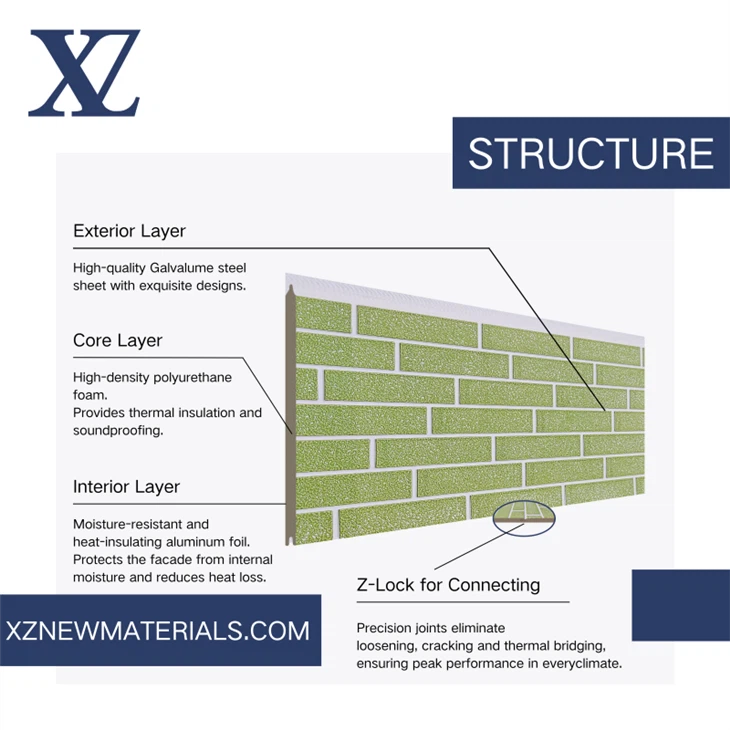
- Align the Panels: Position the next panel adjacent to the first panel, aligning it with the marked layout and the edges of the first panel. Make sure that there is a small gap between the panels to allow for expansion and contraction.
- Connect the Panels: Connect the panels together using the appropriate joining system. There are several types of joining systems available, including tongue-and-groove joints, snap-lock joints, and overlapping joints. Choose the joining system that is most suitable for your application and follow the manufacturer's instructions for installation.
- Secure the Panels: Once the panels are connected, secure them to the roof structure using the appropriate fasteners. Make sure that the fasteners are evenly spaced and that they are tightened securely but not over-tightened.
- Seal the Joints: After each panel is installed, seal the joints between the panels using a suitable sealant. This will prevent water from seeping into the joints and causing damage to the panels or the roof structure.
5. Installation of the Ridge Cap and Eaves
The ridge cap and eaves are important components of the roof system, as they provide protection against water and wind. Here's how to install the ridge cap and eaves:
- Install the Ridge Cap: The ridge cap is installed at the peak of the roof to cover the joints between the panels. Start by cutting the ridge cap to the appropriate length and then position it over the joints, aligning it with the edges of the panels. Secure the ridge cap to the panels using the appropriate fasteners and seal the joints using a suitable sealant.
- Install the Eaves: The eaves are installed at the edges of the roof to provide a finished look and to prevent water from dripping off the roof. Start by cutting the eaves to the appropriate length and then position them at the edges of the roof, aligning them with the edges of the panels. Secure the eaves to the panels using the appropriate fasteners and seal the joints using a suitable sealant.
6. Ventilation and Insulation
Proper ventilation and insulation are essential for maintaining a comfortable and energy-efficient indoor environment. Here's how to ensure proper ventilation and insulation when using color steel sandwich panels on the roof:
- Install Ventilation Systems: Install ventilation systems, such as ridge vents, soffit vents, or gable vents, to allow for the circulation of air in the attic space. This will help to prevent the buildup of moisture and heat, which can cause damage to the panels and the roof structure.
- Add Insulation: If necessary, add insulation to the attic space to improve the energy efficiency of the building. There are several types of insulation available, including fiberglass insulation, spray foam insulation, and rigid foam insulation. Choose the insulation that is most suitable for your application and follow the manufacturer's instructions for installation.
7. Quality Control and Final Checks
Once the installation is complete, it is important to conduct a thorough quality control check to ensure that the installation meets the required standards. Here are some key areas to check:
- Panel Alignment and Leveling: Check that the panels are aligned and leveled correctly and that there are no visible gaps or unevenness between the panels.
- Fastener Tightness: Check that all the fasteners are tightened securely and that there are no loose or missing fasteners.
- Sealant Application: Check that the sealant has been applied correctly and that there are no gaps or cracks in the sealant.
- Ventilation and Insulation: Check that the ventilation systems are working properly and that the insulation has been installed correctly.
8. Additional Considerations
In addition to the above steps, there are some additional considerations to keep in mind when using color steel sandwich panels on the roof:
- Weather Conditions: Avoid installing the panels in extreme weather conditions, such as high winds, heavy rain, or extreme temperatures. This can make the installation process more difficult and increase the risk of damage to the panels.
- Safety Precautions: Always follow the appropriate safety precautions when installing the panels, such as wearing protective gear, using proper lifting equipment, and working on a stable surface.
- Maintenance: Regular maintenance of the color steel sandwich panels is essential to ensure their long-term performance and durability. This includes cleaning the panels regularly, inspecting the fasteners and sealants for signs of damage, and making any necessary repairs or replacements.
Conclusion
Installing color steel sandwich panels on the roof is a complex process that requires careful planning, proper handling, and precise installation. By following the steps and considerations outlined in this blog post, you can ensure a successful installation and enjoy the many benefits of using color steel sandwich panels on your roof.
If you are interested in purchasing high-quality color steel sandwich panels for your roofing project, we invite you to explore our range of products, including Soundproof PU Sandwich Panels, Fireproof Insulation Panels, and Aluminum Foam Sandwich Panels. Our team of experts is ready to assist you with your project and provide you with the best solutions for your needs. Contact us today to start the procurement discussion and take the first step towards a better roofing solution.
References
- Building Construction Handbook, various editions
- Manufacturer's installation guides for color steel sandwich panels