

How to cut an eps sandwich panel accurately?
Dec 11, 2025
Leave a message
Hey there! I'm a supplier of EPS sandwich panels, and I know how important it is to cut these panels accurately. Whether you're a DIY enthusiast or a professional contractor, getting a clean and precise cut is crucial for the success of your project. In this blog post, I'll share some tips and tricks on how to cut an EPS sandwich panel accurately.
Understanding EPS Sandwich Panels
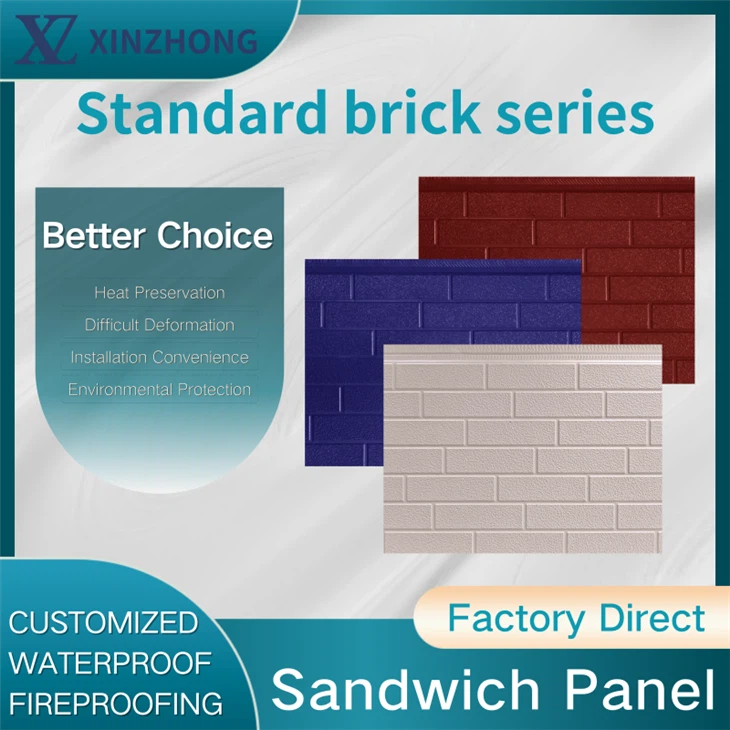
Before we dive into the cutting process, let's take a quick look at what EPS sandwich panels are. EPS stands for Expanded Polystyrene, which is a lightweight and insulating material. EPS sandwich panels consist of two outer layers, usually made of metal or plastic, and a core layer of EPS foam. These panels are commonly used in construction for walls, roofs, and partitions because of their excellent insulation properties, durability, and ease of installation.
You can check out our EPS Foam Sandwich Panel for more details on the product.
Tools You'll Need
To cut an EPS sandwich panel accurately, you'll need the right tools. Here are some essential tools you should have on hand:
- Circular Saw: A circular saw is a popular choice for cutting EPS sandwich panels. Make sure to use a fine-tooth blade to minimize chipping and ensure a smooth cut.
- Jigsaw: A jigsaw is another option, especially if you need to make curved or intricate cuts. Use a fine-tooth blade designed for cutting plastics.
- Utility Knife: A sharp utility knife can be used for scoring the panel before making a full cut, especially for thinner panels.
- Measuring Tape: Accurate measurements are key to a precise cut. Use a measuring tape to mark the panel where you need to cut.
- Straight Edge: A straight edge, such as a metal ruler or a level, will help you make straight cuts.
Preparing the Panel
Once you have your tools ready, it's time to prepare the panel for cutting. Here's what you need to do:
- Measure and Mark: Use a measuring tape to measure the length and width of the panel where you need to make the cut. Mark the panel with a pencil or a marker. Make sure to double-check your measurements to avoid any mistakes.
- Secure the Panel: Place the panel on a stable work surface and secure it in place using clamps or weights. This will prevent the panel from moving while you're cutting, ensuring a more accurate cut.
Cutting the Panel
Now that the panel is prepared, it's time to start cutting. Here are some tips for cutting EPS sandwich panels with different tools:
Using a Circular Saw
- Set the Depth: Adjust the depth of the saw blade so that it cuts through the panel without damaging the work surface.
- Align the Saw: Place the saw on the marked line and align the blade with the edge of the straight edge.
- Start Cutting: Turn on the saw and slowly guide it along the marked line. Apply gentle pressure and let the saw do the work. Avoid forcing the saw through the panel, as this can cause chipping and uneven cuts.
Using a Jigsaw
- Choose the Right Blade: Select a fine-tooth blade designed for cutting plastics.
- Drill a Starter Hole: If you need to make an internal cut, drill a small starter hole at the starting point of the cut.
- Start Cutting: Insert the jigsaw blade into the starter hole and start cutting along the marked line. Move the jigsaw slowly and steadily, following the curve or pattern.
Using a Utility Knife
- Score the Panel: Use a sharp utility knife to score the panel along the marked line. Make several passes to deepen the score.
- Snap the Panel: Once the score is deep enough, place the panel on the edge of the work surface and apply pressure to snap it along the scored line.
Finishing the Cut
After you've made the cut, you may need to finish the edges to make them smooth and clean. Here are some ways to finish the cut edges:
- Sand the Edges: Use a fine-grit sandpaper to sand the cut edges of the panel. This will remove any rough edges or burrs and make the edges smooth.
- Apply a Trim: You can apply a trim or a molding to the cut edges to give the panel a more finished look. Make sure to choose a trim that matches the color and style of the panel.
Safety Precautions
Cutting EPS sandwich panels can be dangerous if you don't take the proper safety precautions. Here are some safety tips to keep in mind:
- Wear Protective Gear: Wear safety glasses, gloves, and a dust mask to protect your eyes, hands, and lungs from dust and debris.
- Work in a Well-Ventilated Area: EPS foam can release dust and fumes when cut. Make sure to work in a well-ventilated area to avoid inhaling these particles.
- Keep the Work Area Clean: Keep the work area clean and free of clutter to prevent accidents.
- Follow the Manufacturer's Instructions: Always follow the manufacturer's instructions for using the tools and cutting the panels.
Common Mistakes to Avoid
Here are some common mistakes to avoid when cutting EPS sandwich panels:
- Using the Wrong Blade: Using a blade that is not designed for cutting EPS foam can cause chipping, melting, and uneven cuts. Make sure to use a fine-tooth blade designed for cutting plastics.
- Cutting Too Fast: Cutting too fast can cause the blade to overheat and damage the panel. Take your time and cut slowly and steadily.
- Not Securing the Panel: If the panel is not secured properly, it can move while you're cutting, resulting in an inaccurate cut. Make sure to secure the panel in place using clamps or weights.
- Not Measuring Accurately: Accurate measurements are essential for a precise cut. Make sure to measure twice and cut once.
Conclusion
Cutting an EPS sandwich panel accurately is not as difficult as it may seem. By following these tips and tricks, you can make clean and precise cuts every time. Remember to use the right tools, prepare the panel properly, and take the necessary safety precautions. If you have any questions or need more information, feel free to check out our 70mm EPS Sandwich Panel and EPS Sandwich Wall Panel pages.

If you're interested in purchasing EPS sandwich panels for your next project, we're here to help. Our team of experts can assist you with product selection, sizing, and installation. Contact us today to start a conversation about your project requirements and let's work together to find the best solutions for you.
References
- General knowledge about EPS sandwich panels from industry experience.
- Safety guidelines and best practices for cutting materials.