

How to clean a corrugated sandwich panel?
Aug 21, 2025
Leave a message
Corrugated sandwich panels are a popular choice in various construction and industrial applications due to their strength, durability, and insulation properties. As a supplier of these high - quality panels, I understand the importance of proper maintenance to ensure their longevity and performance. In this blog, I'll share some effective ways to clean corrugated sandwich panels.
Understanding Corrugated Sandwich Panels
Before diving into the cleaning process, it's essential to understand what corrugated sandwich panels are. These panels typically consist of two outer layers (skins) and a core material in between. The outer layers can be made of materials such as metal (like Corrugated Aluminum Siding Panels), fiberglass, or other composites, while the core can be made of materials like foam, honeycomb structures, or other insulating materials.
The corrugated design adds strength and rigidity to the panels, making them suitable for applications such as roofing, wall cladding, and insulation in buildings, cold storage facilities, and transportation vehicles.
Pre - cleaning Preparation
- Safety First: Wear appropriate personal protective equipment (PPE) such as gloves, safety glasses, and a dust mask. This is especially important when dealing with potentially harmful substances like dirt, debris, or chemicals.
- Inspect the Panels: Before cleaning, carefully inspect the panels for any signs of damage, such as cracks, dents, or loose parts. If you find any significant damage, it's advisable to address it before proceeding with the cleaning.
- Gather Cleaning Supplies: You'll need a soft - bristled brush, a bucket, a mild detergent or cleaning solution, a hose or pressure washer (set at a low pressure), and clean water. Avoid using abrasive cleaners or tools that could scratch the surface of the panels.
Cleaning Process
Step 1: Remove Loose Debris
Start by using a soft - bristled brush to gently sweep away any loose dirt, leaves, twigs, or other debris from the surface of the panels. Work in the direction of the corrugations to avoid pushing debris into the grooves. This initial step helps prevent scratching the panels during the subsequent cleaning steps.
Step 2: Prepare the Cleaning Solution
Fill a bucket with warm water and add a small amount of mild detergent. A mild dish soap or a specialized panel cleaner can work well. Avoid using harsh chemicals or solvents, as they can damage the surface of the panels and the core material. Mix the solution thoroughly until it forms a soapy mixture.
Step 3: Apply the Cleaning Solution
Dip the soft - bristled brush into the cleaning solution and gently scrub the surface of the panels. Start from the top and work your way down, following the direction of the corrugations. Pay special attention to areas with stubborn stains or dirt buildup, such as near vents or corners. Use gentle pressure to avoid scratching the panels.
If you're dealing with a large area, you can also use a low - pressure sprayer to apply the cleaning solution evenly across the panels. However, make sure the pressure is not too high, as it could damage the panels.
Step 4: Rinse the Panels
After scrubbing, use a hose or a pressure washer set at a low pressure to rinse the panels thoroughly. Start from the top and work your way down, ensuring that all the cleaning solution and dirt are removed. Make sure to rinse all the grooves and crevices of the corrugated panels to prevent any residue from remaining.
It's important to use clean water for rinsing. If the water in your area is hard or contains a significant amount of minerals, consider using filtered or distilled water to avoid leaving mineral deposits on the panels.

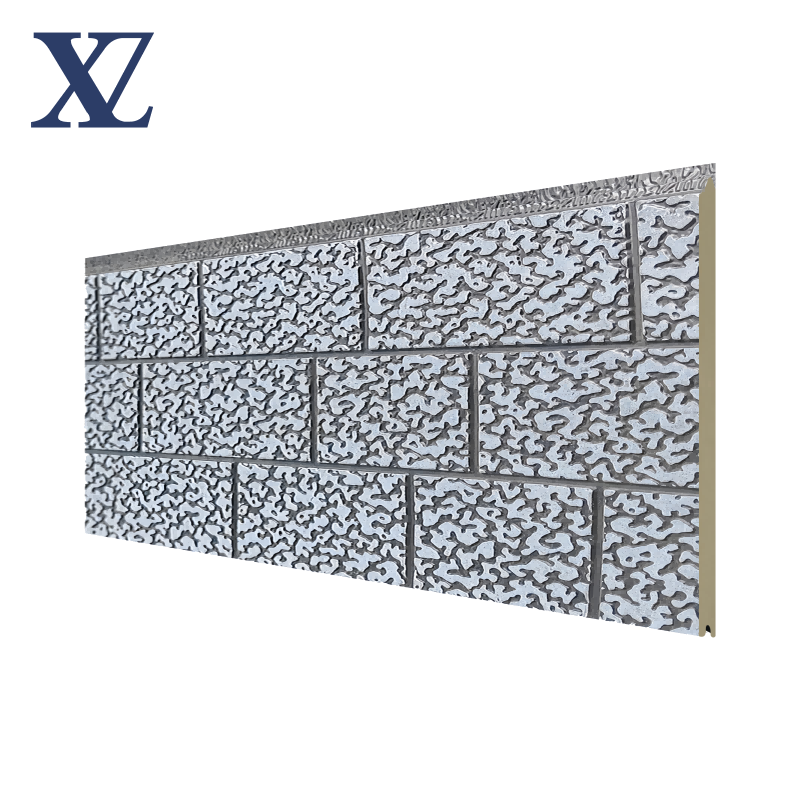
Step 5: Dry the Panels
Allow the panels to air - dry naturally. Avoid using a cloth or towel to dry the panels, as this could leave lint or scratches on the surface. If you need to speed up the drying process, you can use a fan to blow air across the panels.
Special Considerations for Different Panel Materials
Metal Panels
Metal panels, such as Corrugated Aluminum Siding Panels, are relatively durable but can be prone to oxidation and corrosion. When cleaning metal panels, avoid using abrasive cleaners or brushes that could scratch the protective coating. If you notice any signs of rust or corrosion, you can use a rust remover specifically designed for metal surfaces, following the manufacturer's instructions.
Polyurethane Panels
PU Polyurethane Sandwich Panel is known for its excellent insulation properties. These panels are sensitive to certain chemicals, so it's crucial to use only mild, non - abrasive cleaners. Avoid using solvents or cleaners that contain strong acids or alkalis, as they can damage the polyurethane core and the outer surface of the panels.
Insulation Panels
Outside Wall Insulation Panels require gentle cleaning to maintain their insulation effectiveness. When cleaning these panels, be careful not to damage the insulation material. If the panels have a protective outer layer, follow the cleaning instructions for that specific material.
Frequency of Cleaning
The frequency of cleaning corrugated sandwich panels depends on several factors, such as the environment in which the panels are installed, the level of pollution, and the amount of exposure to the elements.
- In a clean, indoor environment, cleaning the panels once or twice a year may be sufficient.
- In outdoor or industrial environments with high levels of dust, dirt, or pollution, more frequent cleaning may be required, perhaps every few months.
Post - cleaning Maintenance
- Inspect Again: After cleaning and drying the panels, conduct a second inspection to ensure that they are clean and undamaged. Check for any remaining stains or signs of damage that may have been overlooked during the initial inspection.
- Apply a Protective Coating (Optional): Depending on the type of panels and the environment, applying a protective coating can help enhance the panels' resistance to dirt, UV rays, and corrosion. Consult with the panel manufacturer or a professional for recommendations on suitable protective coatings.
Benefits of Regular Cleaning
- Enhanced Aesthetics: Clean panels improve the overall appearance of the building or structure, giving it a more professional and well - maintained look.
- Extended Lifespan: Regular cleaning helps prevent the buildup of dirt, grime, and corrosive substances that can damage the panels over time. This can significantly extend the lifespan of the panels, saving you money on replacement costs.
- Improved Insulation Performance: For insulation panels, keeping them clean ensures that they can maintain their thermal efficiency, helping to reduce energy consumption and lower heating and cooling costs.
Conclusion
Proper cleaning and maintenance of corrugated sandwich panels are essential for their longevity, performance, and aesthetics. By following the steps outlined in this blog, you can effectively clean your panels without causing damage. As a supplier of high - quality corrugated sandwich panels, I'm committed to providing you with the best products and advice on their care.
If you're interested in purchasing corrugated sandwich panels for your next project or have any questions about panel cleaning and maintenance, feel free to contact us for more information. We're here to help you make the right choice and ensure the success of your project.
References
- Building Maintenance Handbook: A comprehensive guide to maintaining building materials, including sandwich panels.
- Manufacturer's product manuals for corrugated sandwich panels, which often provide specific cleaning and maintenance instructions.