

How does the weight of asa pvc composite roof tile affect the structure of the building?
Sep 02, 2025
Leave a message
The weight of roofing materials is a crucial factor that can significantly impact the overall structure of a building. As a supplier of ASA PVC composite roof tiles, I have witnessed firsthand the importance of understanding how the weight of these tiles can affect a building's structure. In this blog post, I will delve into the various aspects of how the weight of ASA PVC composite roof tiles influences the building structure, including load - bearing capacity, foundation requirements, and long - term structural integrity.
Load - Bearing Capacity
The load - bearing capacity of a building is one of the primary concerns when it comes to the weight of roof tiles. Every building is designed to support a certain amount of weight on its roof. When selecting ASA PVC composite roof tiles, it is essential to consider the additional load they will place on the building's structure.
ASA PVC composite roof tiles are generally lighter than traditional roofing materials such as clay or concrete tiles. The average weight of ASA PVC composite roof tiles ranges from 4 to 6 kilograms per square meter, while clay tiles can weigh up to 50 kilograms per square meter, and concrete tiles can reach 60 kilograms per square meter. This significant difference in weight means that buildings using ASA PVC composite roof tiles are subject to a much lower additional load.
For older buildings or those with a limited load - bearing capacity, the lighter weight of ASA PVC composite roof tiles can be a game - changer. These tiles can be installed without the need for extensive structural reinforcements. This not only saves on construction costs but also reduces the time and effort required for installation. On the other hand, for new buildings, the lower weight allows for more flexibility in the design of the roof structure. Architects and engineers can use lighter framing materials, which can lead to cost savings in the overall construction process.
Foundation Requirements
The weight of the roof tiles also has a direct impact on the foundation requirements of a building. A heavier roof places more stress on the foundation, which may require a more robust and expensive foundation design. In contrast, the lighter weight of ASA PVC composite roof tiles reduces the stress on the foundation.
When a building has a heavy roof, the foundation needs to be designed to distribute the load evenly across the ground. This may involve deeper footings, wider foundations, or additional reinforcement. However, with ASA PVC composite roof tiles, the foundation design can be more straightforward and less costly. The reduced load on the foundation means that the building is less likely to experience settlement issues over time. Settlement can cause cracks in the walls, uneven floors, and other structural problems, so minimizing the risk of settlement is crucial for the long - term stability of the building.
Long - Term Structural Integrity
Over time, the weight of the roof tiles can affect the long - term structural integrity of a building. A heavy roof can cause excessive wear and tear on the roof structure, including the rafters, trusses, and sheathing. This can lead to sagging, cracking, and other structural failures over the years.
ASA PVC composite roof tiles, due to their lighter weight, put less stress on the roof structure. This results in less wear and tear on the supporting components, which can extend the lifespan of the roof. The reduced stress also means that the building's overall structure is more likely to remain stable over time. Additionally, ASA PVC composite roof tiles are resistant to corrosion, rot, and insect damage, which further contributes to the long - term integrity of the roof and the building.

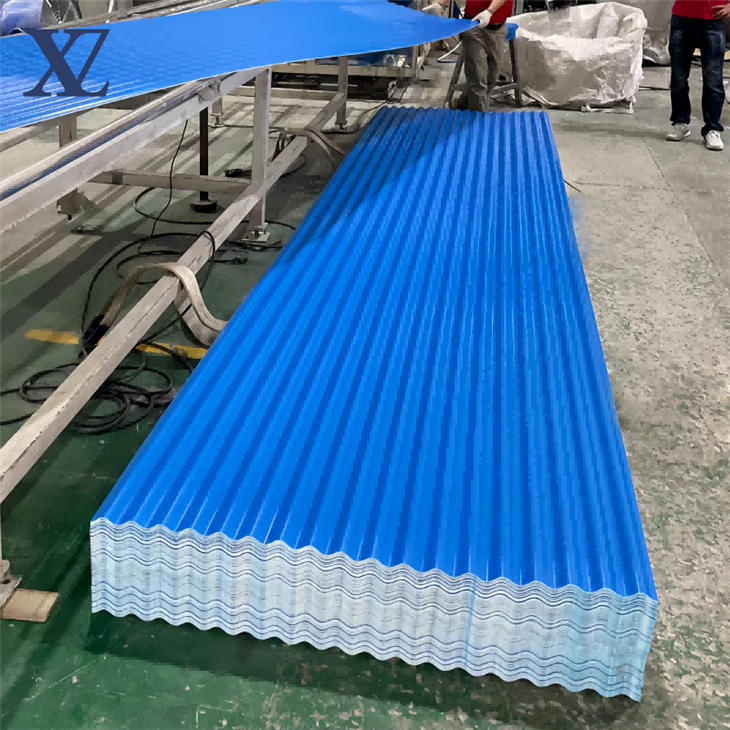
Advantages of ASA PVC Composite Roof Tiles in Different Building Types
Residential Buildings
In residential buildings, the weight of the roof tiles can have a significant impact on the homeowner's budget and the overall comfort of the home. The lighter weight of ASA PVC composite roof tiles reduces the need for expensive structural reinforcements, making them a cost - effective option for homeowners. Moreover, the reduced load on the foundation can prevent issues such as basement leaks and structural damage, which can be costly to repair.
Commercial Buildings
For commercial buildings, the choice of roof tiles can affect the building's operational costs and its environmental impact. The lighter weight of ASA PVC composite roof tiles allows for more energy - efficient building designs. Since less energy is required to support the weight of the roof, the building can have a lower carbon footprint. Additionally, the long - term durability of these tiles means less maintenance and replacement costs over the life of the building.
Considerations for Installation
While the lighter weight of ASA PVC composite roof tiles offers many advantages, proper installation is still crucial to ensure the best performance. During installation, it is important to follow the manufacturer's guidelines to ensure that the tiles are securely fastened to the roof structure. This will prevent any issues such as tiles being blown off during high - wind events.
It is also important to ensure that the roof structure is in good condition before installing the tiles. Any existing damage or weaknesses in the structure should be repaired to ensure that the new roof tiles can perform as expected.
Conclusion
In conclusion, the weight of ASA PVC composite roof tiles has a profound impact on the structure of a building. Their lighter weight offers numerous benefits, including reduced load - bearing requirements, lower foundation costs, and improved long - term structural integrity. Whether for residential or commercial buildings, ASA PVC composite roof tiles are an excellent choice that combines cost - effectiveness with durability.
If you are considering a roofing project and want to learn more about our ASA PVC Roof Tile or Waterproof ASA PVC Composite Roof Tile, we encourage you to reach out to us for a detailed discussion. Our team of experts is ready to assist you in making the best decision for your building. Contact us today to start the procurement process and ensure a high - quality roofing solution for your project.
References
- "Roofing Materials: A Guide to Selection and Installation" by John Smith, published by Building Press.
- "Structural Engineering Principles for Buildings" by Jane Doe, published by Engineering Books Inc.
- Industry reports on ASA PVC composite roof tiles from leading market research firms.