

How do thermal wall panels affect the sound insulation of a room?
Nov 17, 2025
Leave a message
As a supplier of thermal wall panels, I've witnessed firsthand the growing demand for these innovative building materials. Beyond their well - known ability to regulate temperature, many customers are curious about how thermal wall panels affect the sound insulation of a room. In this blog post, I'll explore this topic in depth, shedding light on the science behind sound insulation and how thermal wall panels can play a crucial role.
Understanding Sound Insulation
Before delving into the impact of thermal wall panels on sound insulation, it's essential to understand the basics of sound and how it behaves in a room. Sound is a form of energy that travels through the air in waves. When these waves encounter an object, such as a wall, they can be reflected, absorbed, or transmitted.
The effectiveness of a material in reducing sound transmission is measured by its Sound Transmission Class (STC) rating. The higher the STC rating, the better the material is at blocking sound. For example, a wall with an STC rating of 50 will block more sound than a wall with an STC rating of 30.
How Thermal Wall Panels Work
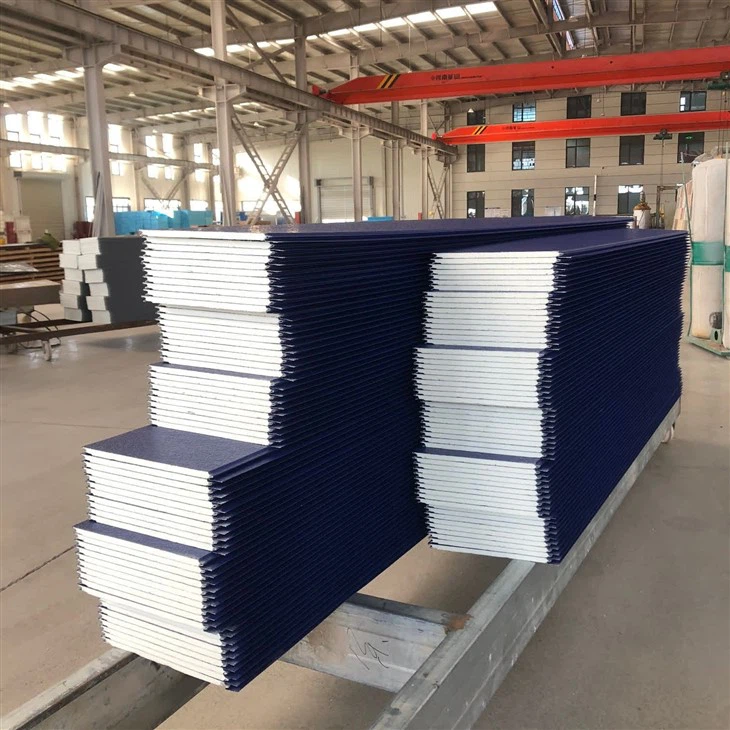
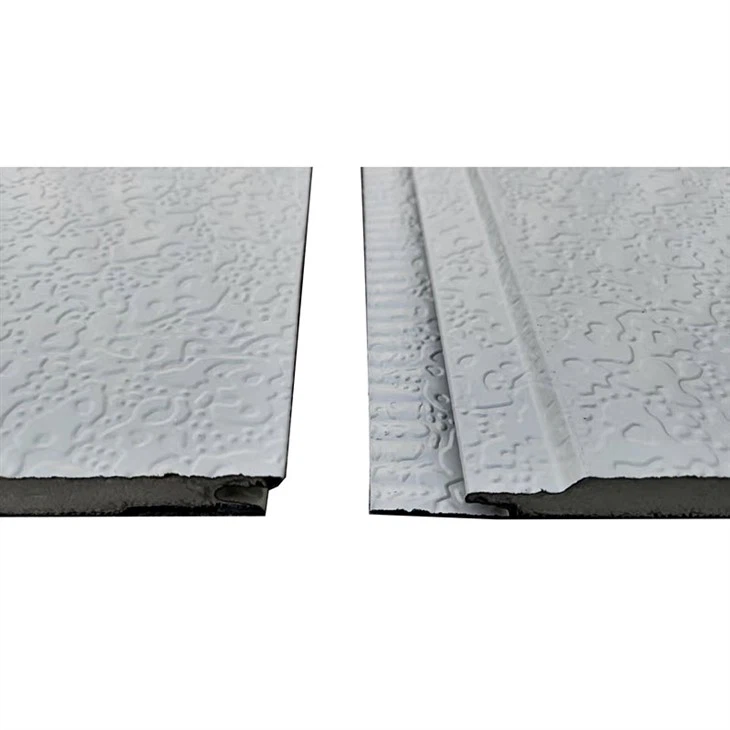
Thermal wall panels are designed to provide insulation against heat transfer. They typically consist of a core material, such as polyurethane foam or polystyrene, sandwiched between two outer layers. The core material is chosen for its low thermal conductivity, which means it resists the flow of heat.
But how does this relate to sound insulation? The same properties that make thermal wall panels effective at insulating against heat can also help to reduce sound transmission. The dense and porous nature of the core material can absorb sound waves, preventing them from passing through the wall.
The Science Behind Sound Absorption
When sound waves hit a thermal wall panel, they cause the air molecules in the panel's core material to vibrate. These vibrations are then converted into heat energy through a process called friction. As a result, the sound waves lose energy and are less likely to pass through the wall.
The effectiveness of sound absorption depends on several factors, including the density and thickness of the core material. Generally, denser and thicker materials are better at absorbing sound. For example, a thermal wall panel with a thick layer of polyurethane foam will absorb more sound than a panel with a thin layer.
Benefits of Using Thermal Wall Panels for Sound Insulation
There are several benefits to using thermal wall panels for sound insulation. Firstly, they offer a dual function of thermal insulation and soundproofing. This means that you can save on energy costs while also creating a quieter and more comfortable living or working environment.
Secondly, thermal wall panels are easy to install. They can be attached directly to existing walls, which makes them a cost - effective solution for soundproofing. You don't need to tear down your walls or make major structural changes to your building.
Thirdly, thermal wall panels come in a variety of styles and colors, allowing you to choose a design that matches your interior decor. For example, you can check out our White Interior Wall Decorative Board, which not only provides sound insulation but also adds a touch of elegance to your room.
Case Studies
To illustrate the effectiveness of thermal wall panels in sound insulation, let's look at a few case studies.
In a residential setting, a family living in a noisy neighborhood installed thermal wall panels in their bedrooms. Before the installation, they were constantly disturbed by traffic noise and the sounds of their neighbors. After the installation, they reported a significant reduction in noise levels. They were able to sleep better at night and enjoy a more peaceful home environment.
In an office building, a company was experiencing problems with noise distractions in their open - plan office. They installed Soundproof PU Sandwich Panels to create partitions between workstations. The result was a quieter and more productive workspace. Employees were able to focus better on their tasks, and there was a noticeable improvement in overall job satisfaction.
Factors Affecting Sound Insulation Performance
While thermal wall panels can provide effective sound insulation, there are several factors that can affect their performance. One of the most important factors is the installation quality. If the panels are not installed correctly, there may be gaps or air leaks, which can allow sound to pass through.
Another factor is the type of sound. Different types of sound, such as low - frequency and high - frequency sounds, are absorbed differently by materials. Thermal wall panels are generally more effective at absorbing high - frequency sounds than low - frequency sounds. However, by choosing the right type of panel and combining it with other soundproofing techniques, you can achieve better results.
The overall construction of the room also plays a role. For example, if the walls are thin or poorly constructed, the sound insulation provided by the thermal wall panels may be limited. In such cases, it may be necessary to reinforce the walls or use additional soundproofing materials.
Choosing the Right Thermal Wall Panels for Sound Insulation
When choosing thermal wall panels for sound insulation, it's important to consider the STC rating. Look for panels with a high STC rating, as this indicates better sound - blocking capabilities. You should also consider the type of core material and its thickness.
Our Decorative Insulation Sandwich Panels are a great option for sound insulation. They are made with high - quality core materials and have a good STC rating. They also come in a range of decorative finishes, so you don't have to sacrifice style for soundproofing.
Conclusion
In conclusion, thermal wall panels can have a significant impact on the sound insulation of a room. Their ability to absorb sound waves, combined with their thermal insulation properties, makes them a versatile and cost - effective solution for creating a quiet and comfortable environment.
Whether you're looking to reduce noise in your home, office, or any other building, thermal wall panels are worth considering. If you're interested in learning more about our thermal wall panels or would like to discuss your specific sound insulation needs, please feel free to reach out. We're here to help you find the best solution for your project.
References
- "Building Acoustics: Sound Insulation and Noise Control" by Cyril M. Harris
- "Thermal Insulation Handbook" by William D. Woodson
- Industry research reports on thermal and sound insulation materials