

How do pu sandwich panels perform in high - temperature environments?
Dec 23, 2025
Leave a message
Hey there! As a supplier of PU sandwich panels, I've gotten a ton of questions about how these panels hold up in high - temperature environments. So, I thought I'd sit down and share some insights with you all.
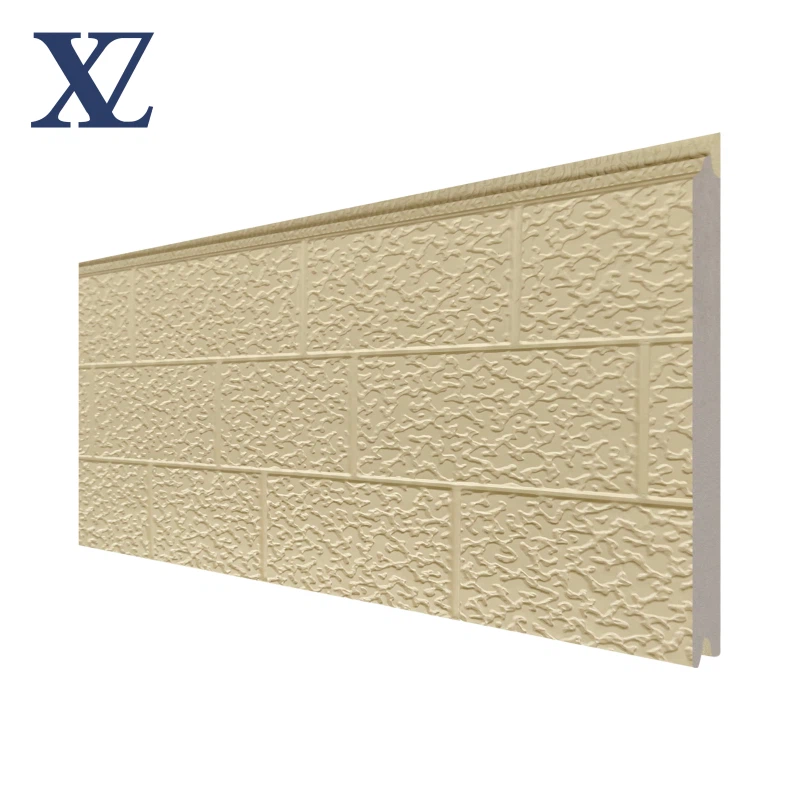
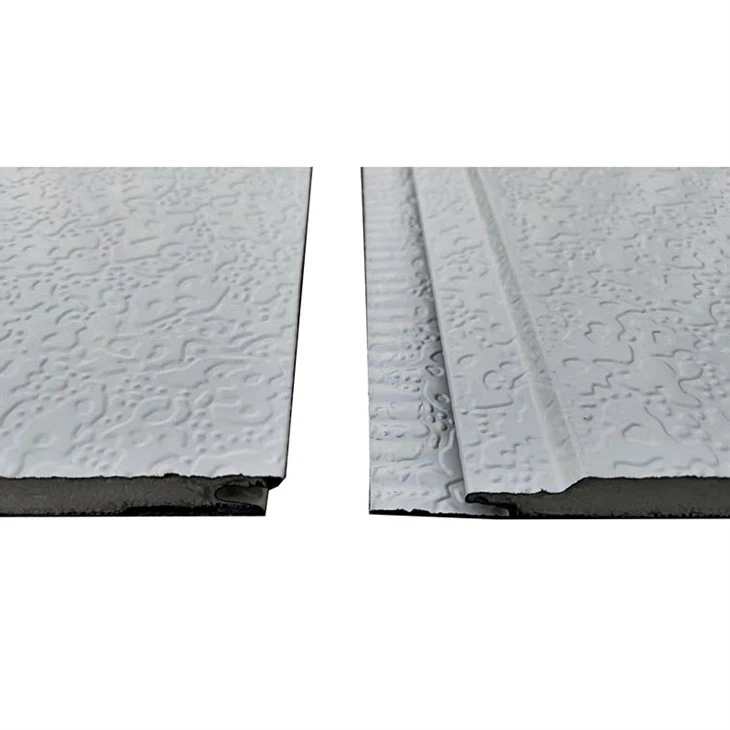
First off, let's talk about what PU sandwich panels are. They're basically composite panels made up of a polyurethane (PU) core sandwiched between two outer layers. These outer layers can be made of different materials like metal, fiberglass, or even wood, depending on the application.
Now, when it comes to high - temperature environments, the performance of PU sandwich panels is a big deal. Whether it's in a factory where there are high - heat processes going on, or in a desert area where the sun beats down relentlessly, we need to know how these panels will fare.
Thermal Insulation in High Temperatures
One of the key features of PU sandwich panels is their excellent thermal insulation properties. In high - temperature environments, this is crucial. The polyurethane core acts as a barrier, preventing heat from easily transferring through the panel.
Let's say you've got a prefabricated building in a hot climate. Using Prefabricated House Sandwich Panel, the interior of the building can stay relatively cool even when it's scorching hot outside. The PU core has a low thermal conductivity, which means it doesn't let heat pass through quickly. This helps in reducing the energy consumption for cooling systems inside the building. You won't have to run your air - conditioners at full blast all the time, which can save you a ton of money in the long run.
Fire Resistance
High - temperature environments also bring up concerns about fire safety. PU sandwich panels can be engineered to have good fire - resistant properties. There are special fire - retardant additives that can be added to the polyurethane core during the manufacturing process.
These additives work by releasing non - flammable gases when exposed to high heat. This creates a barrier that slows down the spread of fire and reduces the intensity of the flames. For industrial settings where there's a risk of fire due to high - temperature processes, having fire - resistant House Exterior Decorative Panels can be a real lifesaver. It gives you that extra layer of protection and peace of mind.
Structural Integrity
Another important aspect is the structural integrity of the panels in high - temperature environments. The outer layers of the PU sandwich panels play a big role here. For example, if the outer layer is made of metal, it can withstand a fair amount of heat without deforming.
However, extreme heat can still have an impact. Over time, very high temperatures can cause the polyurethane core to expand slightly. But if the panel is properly designed and installed, this expansion can be accommodated without causing major structural issues. The key is to make sure that there's enough space for the panel to expand and contract as the temperature changes.
Chemical Resistance
In some high - temperature environments, there might also be exposure to chemicals. PU sandwich panels can offer good chemical resistance, depending on the type of chemicals and the formulation of the panel.
The polyurethane core is relatively resistant to many common chemicals. And the outer layers can be chosen to provide additional protection. For instance, if there are corrosive chemicals in an industrial environment, a metal outer layer with a special coating can prevent the panel from being damaged. This ensures that the panels can last a long time even in harsh conditions.
Long - Term Performance
When it comes to long - term performance in high - temperature environments, it's important to consider factors like aging. The sun's UV rays can have an impact on the outer layers of the panels over time. But there are UV - resistant coatings that can be applied to protect the panels.
The polyurethane core also needs to be able to withstand the test of time. High - quality PU sandwich panels are designed to maintain their thermal insulation and structural properties for many years. This means that you can rely on them for the long - haul, whether it's for a commercial building or a residential project.
Applications in High - Temperature Areas
PU sandwich panels have a wide range of applications in high - temperature areas. In the food industry, for example, they can be used in cold storage facilities. Even though the inside of the facility is cold, the outside environment might be very hot. The panels help to keep the cold air inside and the hot air out.
In the oil and gas industry, they can be used for building control rooms and other structures. These areas often have high - temperature equipment nearby, and the panels provide a safe and comfortable working environment. And for residential buildings in hot climates, White Interior Wall Decorative Board can be used to make the home more energy - efficient and comfortable.
Maintenance in High - Temperature Environments
Maintaining PU sandwich panels in high - temperature environments is relatively straightforward. Regular inspections are important to check for any signs of damage, such as cracks in the outer layers or degradation of the core.
Cleaning the panels periodically can also help to remove any dirt or debris that might affect their performance. If there are any coatings on the panels, make sure to follow the manufacturer's instructions for re - applying them as needed. This will ensure that the panels continue to perform well over time.
Conclusion
So, to sum it up, PU sandwich panels perform pretty well in high - temperature environments. They offer excellent thermal insulation, good fire resistance, and maintain their structural integrity. With proper design, installation, and maintenance, they can be a great choice for a wide range of applications in hot climates.
If you're interested in using PU sandwich panels for your project, whether it's a small prefabricated house or a large industrial building, I'd love to have a chat with you. We can discuss your specific needs and figure out the best solution for you. Don't hesitate to reach out and start a conversation about procurement. Let's work together to make your project a success!
References
- "Polyurethane Foams: Science and Technology" by D. Klempner and K. C. Frisch
- "Building Materials and Structures in Extreme Environments" edited by M. P. Singh